Something Fresh in the State of Denmark
October 06, 2026



















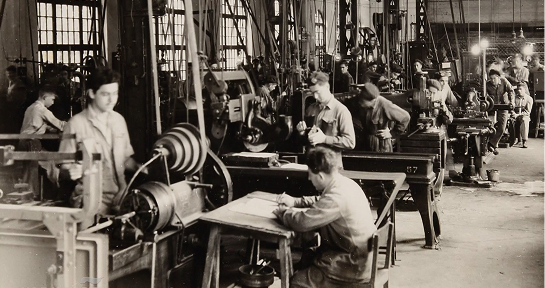
The Technion’s story has been intertwined with Israel’s for more than a century, from laying the foundations for a new nation to shaping its future.

Step inside Israeli innovation at the David and Janet Polak Visitors Center. Experience our 360° immersive movie and tech exhibition. Open to individuals and groups.
Learn More

Physical therapy exercises are crucial for properly recovering and healing from an injury. They are especially important for seniors who may have a longer road of recovery or need to regain mobility in order to take care of themselves. To help encourage patients to keep up with their exercises, startup BoBo Balance – led in part by company Co-founder and CMO and Technion alumnus Yair Agami – has transformed physical therapy into an interactive video game that allows users to earn points as they complete their regimen. Users can perform their exercises using a wearable movement sensor or on a…

The Technion was recently selected as an international partner for the Chicago Quantum Exchange (CQE), an intellectual hub for the advancement of science and engineering of quantum information. Based at the University of Chicago, the CQE works to connect leading academic talent, top scientific facilities, and prominent members and partners to advance research and train the quantum workforce of tomorrow. Central to the partnership will be the Helen Diller Quantum Center at the Technion, which stretches across six faculties of science and engineering: Physics, Electrical Engineering, Computer Science, Chemistry, Materials Science, and Engineering and Mechanical Engineering. More than 50 faculty…
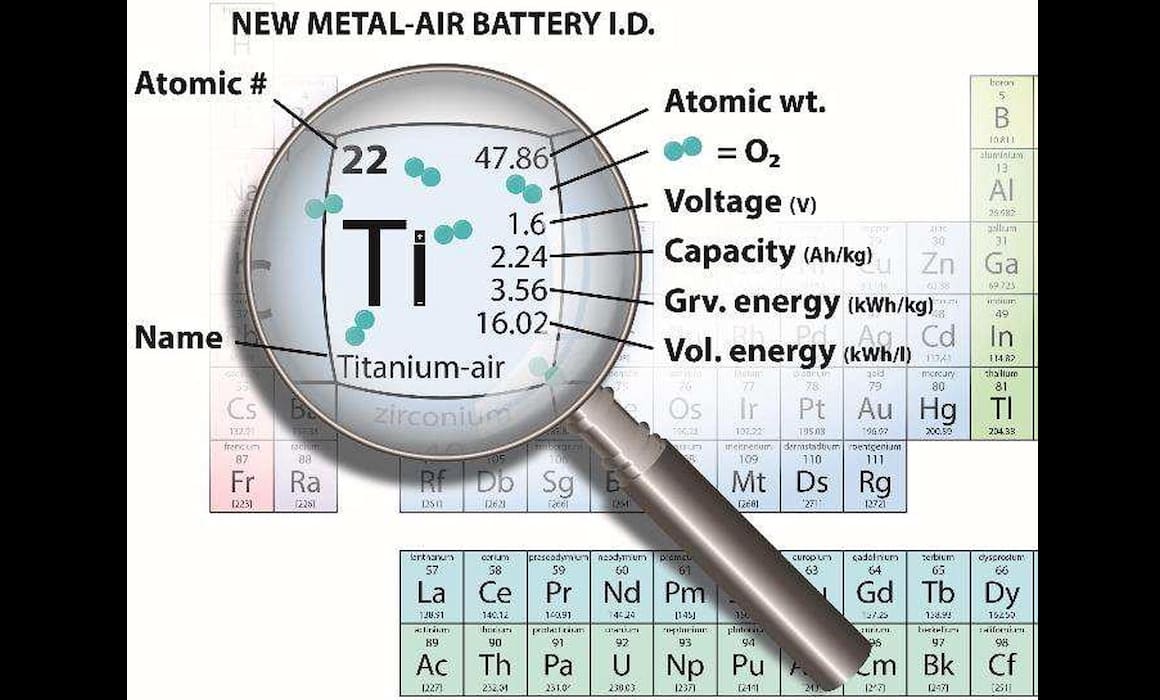
Researchers from the Technion and the Forschungszentrum Jülich research institution in Germany have successfully tested a novel titanium-air battery. The novel battery could theoretically store up to three times more energy than standard zinc-air batteries, and since titanium is the ninth most frequently occurring material in the Earth’s crust, there are plenty of resources available to use in their creation. The team tested the battery’s abilities by applying a liquid consisting of salt with a low melting point, known as ionic liquid (EMIm(HF)2.3F). Its theoretically achievable voltage is in a similar range to that of zinc-air batteries, with an average…

Historical letters were often written in code in order to secretly send messages to people to prevent the information from falling into the wrong hands. Decoding these pieces of history can prove to be difficult, as there are no instructions on how to reveal the message’s true meaning. Recently, Israeli computer scientist and Technion alumnus Dr. George Lasry led a team of international code breakers that successfully deciphered 57 letters written by Mary, Queen of Scots between 1578 and 1584 – the most significant find on the queen in more than 100 years. The letters were written a few years…

What if computers could process information like humans do? New research conducted at the Technion shows that such a device could be a part of our not-so-distant future. Led by Professor Shahar Kvatinsky of the Andrew and Erna Viterbi Faculty of Electrical and Computer Engineering, researchers combined a computer’s random-access memory (RAM) and central processing unit (CPU) functions into one chip, which allows the device to operate more like a human brain. It could provide future opportunities for using devices to process information differently. Prof. Kvatinsky and his team tested their chip’s capabilities by showing it different examples of handwriting….

Did you know the average person encounters more than 60,000 germs every day? Different surfaces we touch, including countertops, remote controls, faucets, and phones harbor tons of bacteria we may not be aware of. What if a germ killer could be added to everyday items to help protect you and your health? Israeli startup Nanosono is doing exactly that. Led in part by COO and Technion alumnus Matan Benisty, the company has developed nanoparticles that can be embedded into paint, fabrics, plastics, and other materials to kill 99.999% of bacteria and viruses. Known as Quactiv, the germ killer is a…

Have you ever wondered what you would have looked like living in Ancient Greece? Or even how you’d change in a high-tech future? Now, thanks to a new artificial intelligence (AI)-powered “time machine” from MyHeritage, you can see yourself throughout the past – and even in the future. Led by Technion alumnus, Founder, and CEO Gilad Japhet, the platform provides AI-generated images depicting you in different eras. Users need only upload about 10 photos of themselves taken from different angles, pay around $12 – $18 depending on the package chosen, and then wait for 90 minutes or less for results….

Drowning is the leading cause of accidental deaths for children under five – and most of these tragedies happen despite close adult supervision in private swimming pools. Children under the age of five generally do not struggle, shout, or splash before they drown but instead slowly sink to the bottom of the pool without alerting an adult that they need help. To combat these heartbreaking tragedies, Israel-based startup Coral Smart Pool has created an AI-powered lifeguard that scans the pool constantly for potential drowning risks. The virtual lifeguard, Mylo, uses cameras both above and below the water to track movement…
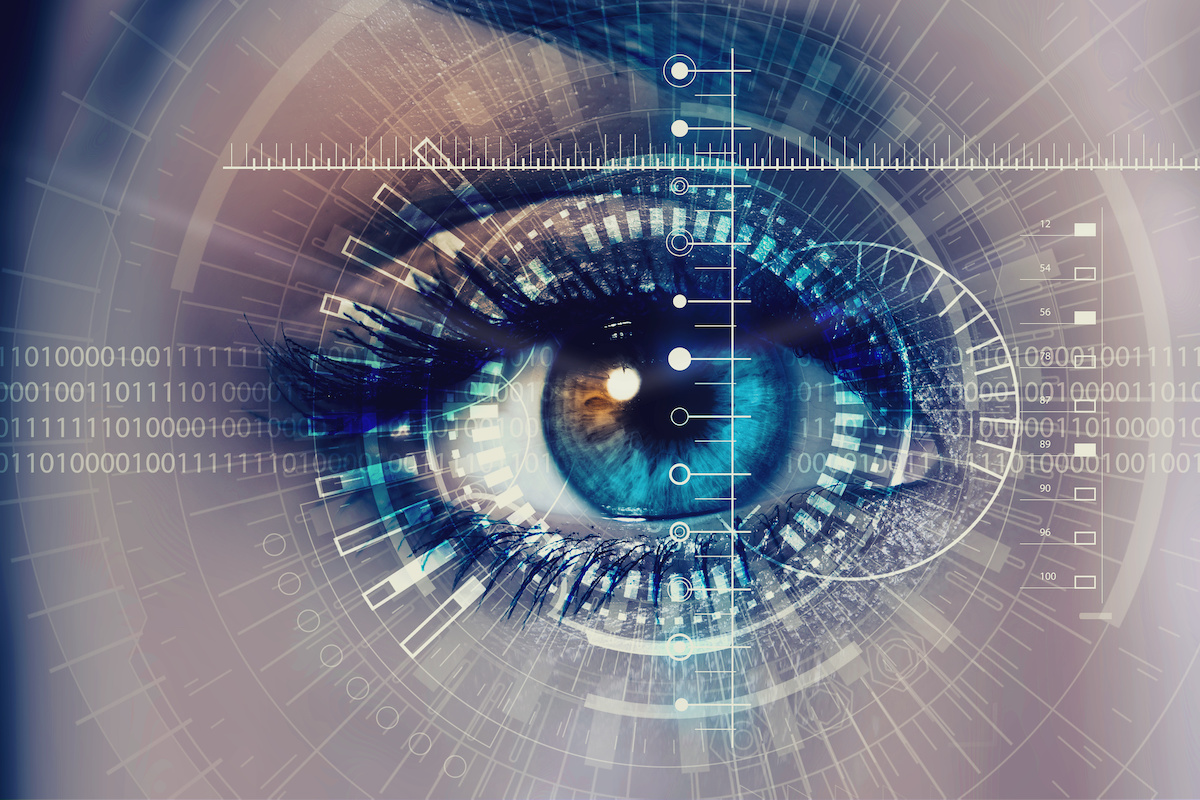
Smart glasses predicted by tech giants such as Google, Meta, and Apple could supplant smartphones in the next decade. Now, these industry titans have more competition in this up-and-coming market opportunity. New technology developed by startup Eyejets projects the screen directly onto the user’s retina – unlike previous designs, such as the Google Glass, that feature the screen’s image in the corner of the lens. According to Eyejets, the company’s EyeVis is the only product combining a virtual retinal display (VRD) system with novel eye-track technology that ensures the laser image projected is always within the center of the field…
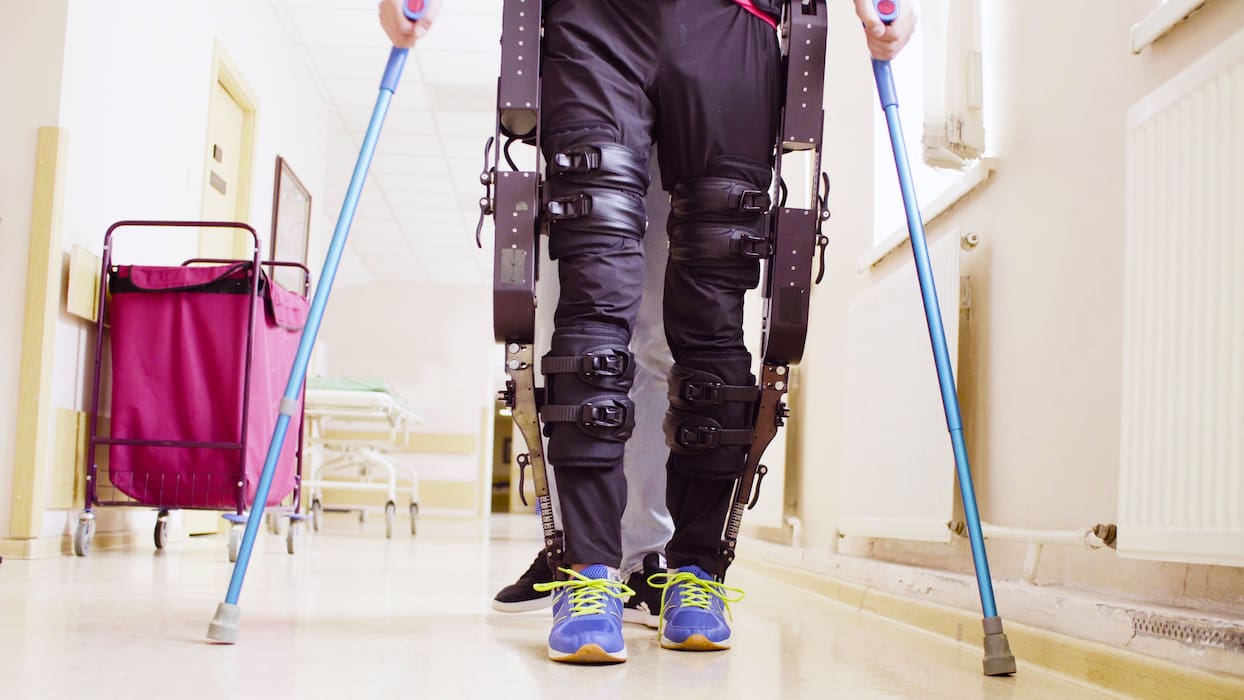
‘I can be a stand-up guy again’: Valley veteran regains ability to walk with new technology Richard Neider walks around Touchstone Rehabilitation with a big smile on his face. He has spent the past two months learning how to walk again with the use of the ReWalk Exoskeleton. “During Operation Iraqi Freedom I sustained a spinal cord injury that took my walking away,” Neider said. Life in a wheelchair was a big adjustment for Neider. Over the past 10 years, the Army veteran has learned to adapt – thinking he’d never walk again… until now.

Farmers lose around $30 billion in sales every year due to rotten fruit that never gets harvested. Fruit that gets picked even two weeks late ends up losing 80% of its value. Additionally, due to a shortage of fruit pickers, around 10% of fruits worldwide never get harvested. According to some estimates, if this trend continues there will be five million less workers than necessary by 2050. Farmers are left with the question of how to solve this issue. Tevel Aerobotics Technologies has a solution. The company has developed flying autonomous robots (FARs) that pick ripe fruit off the trees…

Electric vehicles (EV) are surely a greener mode of transportation than gas-guzzling cars, buses, and trucks. But batteries are expensive, recharging takes longer than filing up at the pump, and charging stations are scarce, which can spark fear of getting stranded. Alumnus-founded Electreon has come up with an ingenious solution. Electrify the roads so our EVs can recharge while we are driving. The company, started in 2013 by Oren Ezer M.S. ’06, has been piloting its smart road technology in Israel and Europe. Now, they are rolling out in Detroit — the heart of the U.S.’s automotive industry. “As transportation…