
Diagnosing Cancer With A Simple Blood Test
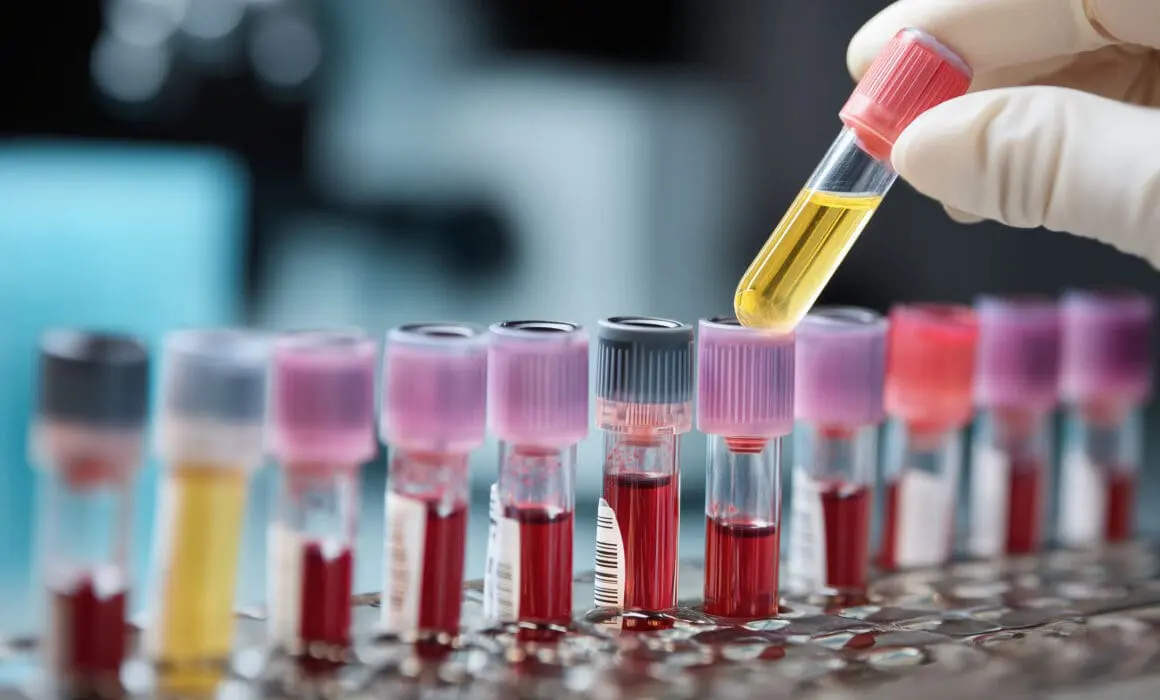
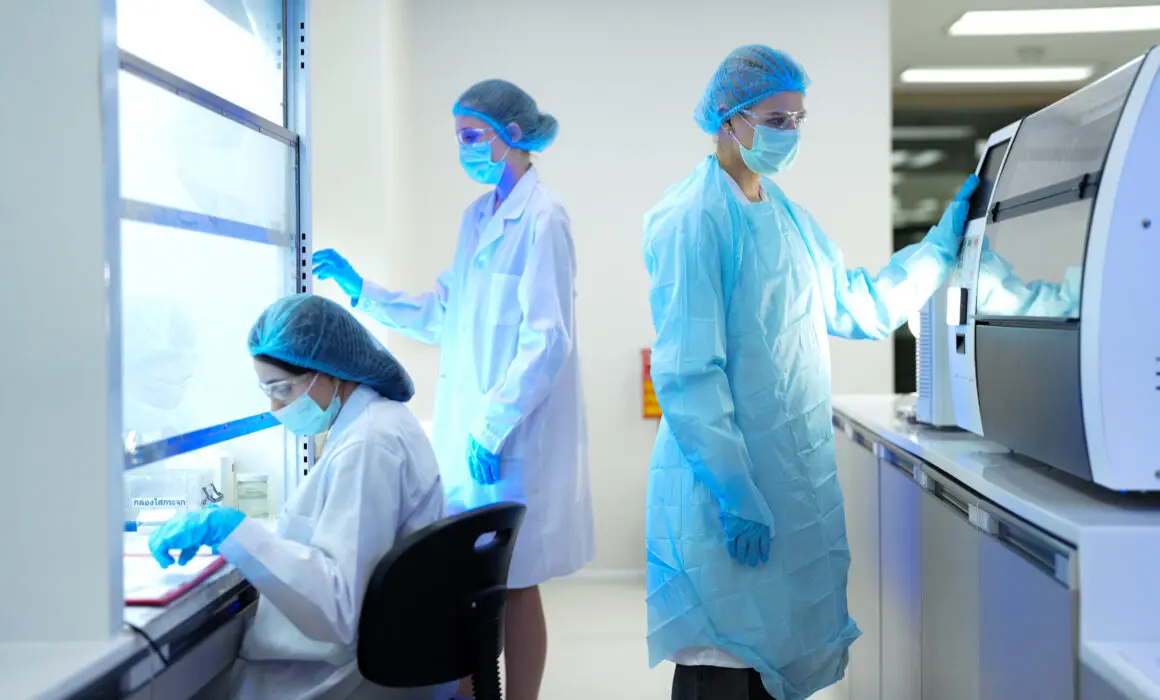
Imagine a world where diagnosing cancer no longer requires invasive biopsies but can be done with a simple blood test. If we could rapidly and precisely identify proteins — the body’s fundamental building blocks — we could realize such a future.
Thanks to a groundbreaking new technology developed by Technion Prof. Amit Meller, published recently in “Nature Nanotechnology,” this vision is now closer to reality.

Prof. Amit Meller
Existing methods for protein analysis are slow, costly, and limited in sensitivity. They require researchers to use complex molecular motors to slow down protein motion or to design antibodies for each and every protein.
Prof. Meller’s technology identifies protein “fingerprints” by mapping molecules as they pass through tiny synthetic pores. The system precisely controls protein movement using a “stick–slip” mechanism — alternating between rapid adhesion and sliding. As each protein passes through the pore, the system records the ionic current, generating a distinctive electrical “fingerprint” unique to that molecule. A machine learning (ML) model then decodes these current signatures to identify proteins rapidly and precisely.
The study focused on the amino acid cysteine, which is essential for many physiological functions in the cell and the body. Since about 97% of human proteins contain cysteine or cysteine residues, this approach applies to nearly all proteins. Prof. Meller’s team is already working to expand the technology to include many other amino acids.
The potential applications of this method are far-reaching. Prof. Meller’s long-term vision is to develop a platform for rapid protein diagnostics in hospitals, laboratories, and clinical research, enabling cancer detection with a simple blood draw.
This breakthrough builds on Prof. Meller’s growing recognition in the scientific community. A 2023 “Nature” opinion article highlighted his pivotal work in advancing protein sequencing systems and paving the way for a true revolution in biological and medical research.

Dr. Neeraj Soni
Prof. Meller, who led the research together with postdoctoral fellow Dr. Neeraj Soni, is a member of the Faculty of Biomedical Engineering and the Faculty of Biology and a member of the Russell Berrie Nanotechnology Institute (RBNI) at the Technion. The research was conducted in collaboration with scientists from the University of Illinois and Rice University.