
Strength in Every Step
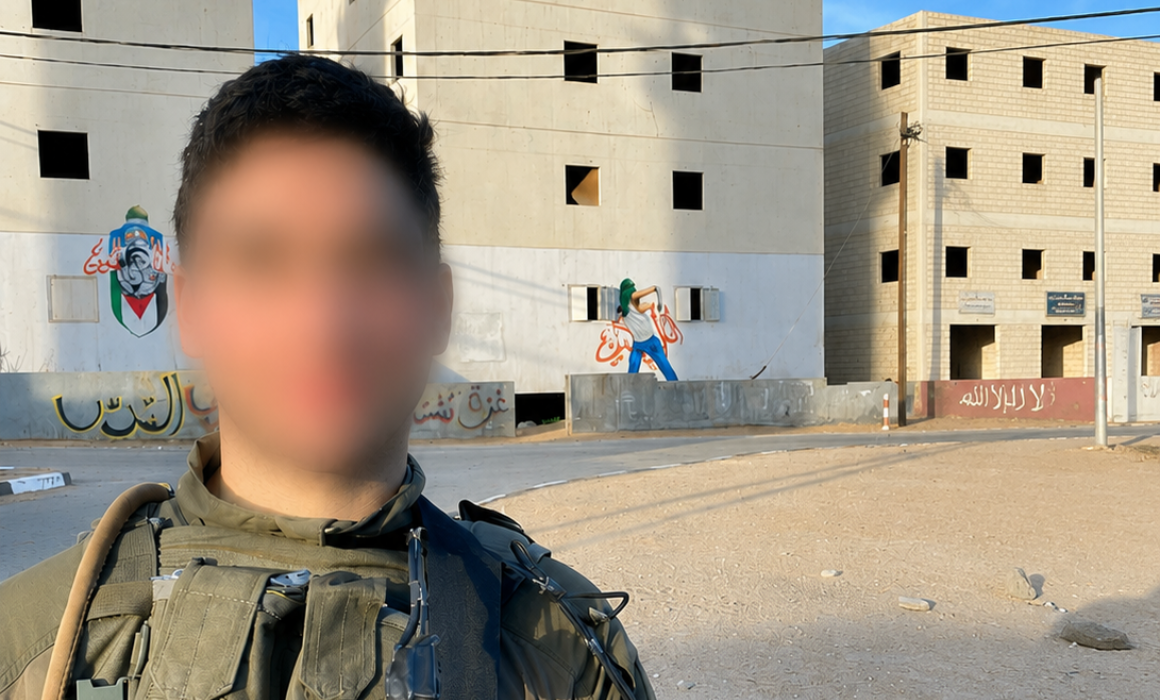
On October 7, 22-year-old Y.Z., a student in the Technion’s Faculty of Civil and Environmental Engineering, was at his mother’s home in Herzliya. He had recently finished a demanding summer semester and was preparing for exams. But as a combat soldier in the reserves, Y. knew that calm would not last long. Two weeks later, his unit was mobilized — first to the north, then to Gaza, and then back again to the north.
During that hectic period, Y. met a fellow soldier who would become his partner — a source of light in the intensity of reserve duty. She was discharged on December 7, but he stayed. The next day, everything changed.
On the afternoon of December 8, the position where Y. was stationed was bombed. In a moment, a building collapsed on him and another soldier. “My leg was the only thing injured,” he says, “but the other soldier was buried under the rubble. I didn’t think he would survive. Luckily — unbelievably — he did.”
Even through shock and pain, Y. acted with clarity. “I applied a tourniquet to myself and sent a text message to my mom and my girlfriend to say that I was injured.” Y. was eventually flown by helicopter to the hospital, where doctors told him they would need to amputate his leg. “I realized there was no choice and accepted it.”
He was given a prosthesis and what followed was months of determination and rehabilitation at Beit HaLochem, the IDF Disabled Veterans Center. Then on a trip to the United States with a delegation from the B’lev Ehad association, Y. was shown an advanced prosthetic unlike his own. Later, he received the same one, transforming his mobility and confidence.
As Y. worked to rebuild his routine, the Technion community was working just as steadily to support him and other students like him.
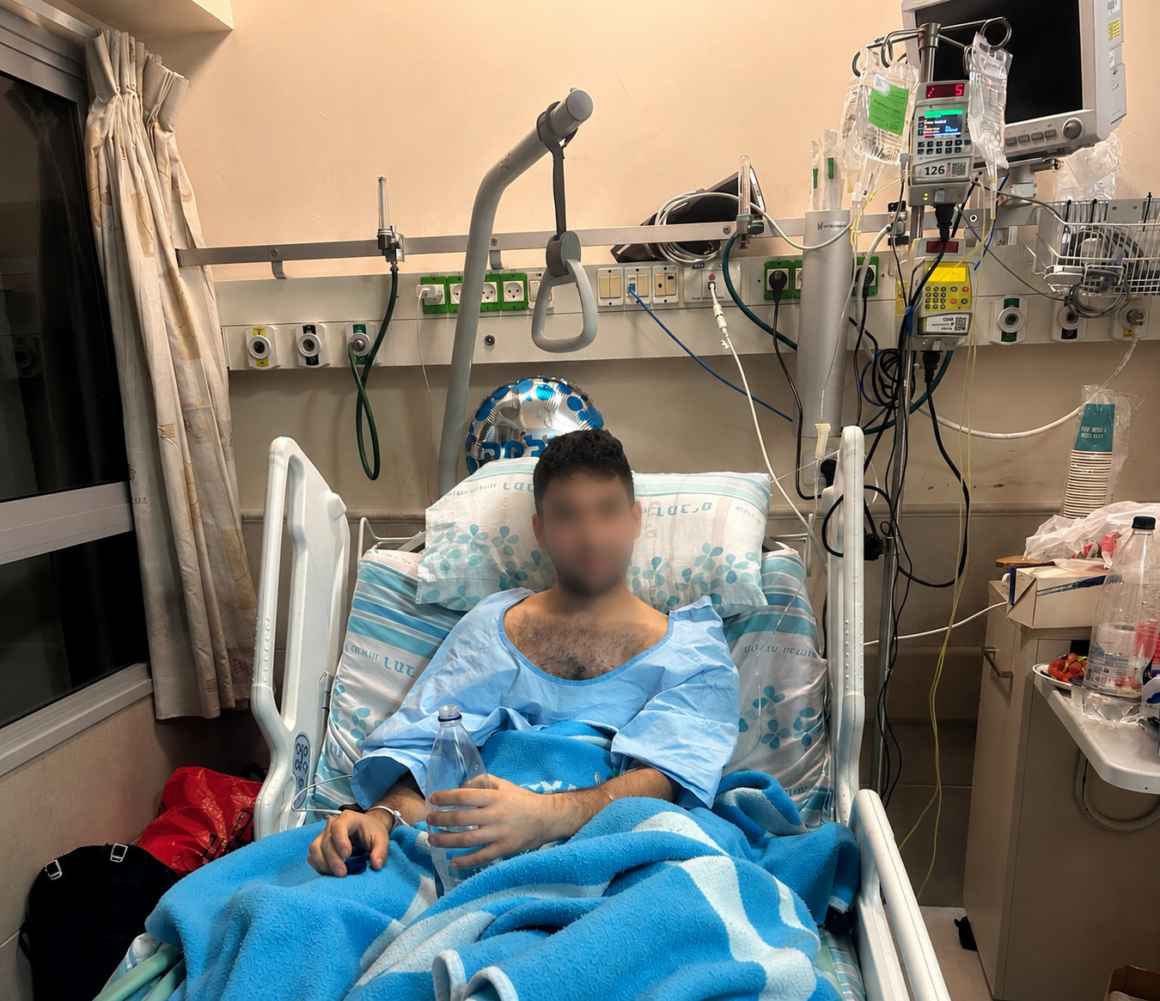
“One of our first tasks when the war broke out was to compile the names and details of the injured students,” says Dean of Students, Prof. Ayelet Fishman. “Unfortunately, I cannot heal the injured students, but in my role, I can assist them financially, whether it’s fundingrent or psychological treatment, providing favorable loans, funding tutoring sessions and online courses so they can continue their studies, and, if necessary, even financing a taxi from the hospital to the Technion every morning so they can attend lectures and sit with classmates.
But, Y. attests, the support wasn’t just financial. “I can’t say enough about the tremendous assistance I received from the lecturers and the Faculty’s administrative staff.” He began the semester remotely, coming in for lab sessions “because they can’t be done remotely and they are very difficult to catch up on if you miss them,” he explains.
But in time, he made his way back into both the classroom and campus life, rebuilding not just his academic routine but his sense of belonging within the Technion community.
Surrounded by this care, Y. has been able to focus not on what he lost, but on what he is determined to reclaim.
“I came to the Technion to study civil engineering from a love of engineering and construction. I have five more semesters to go, so there is still plenty of time to decide what I will do next.” As for his leg, Y. says, “I am still working on strengthening my upper body and practicing walking.” Today, he moves without crutches, and his doctors expect a full return to function.