
Researching a Cure, Carrying a Nation

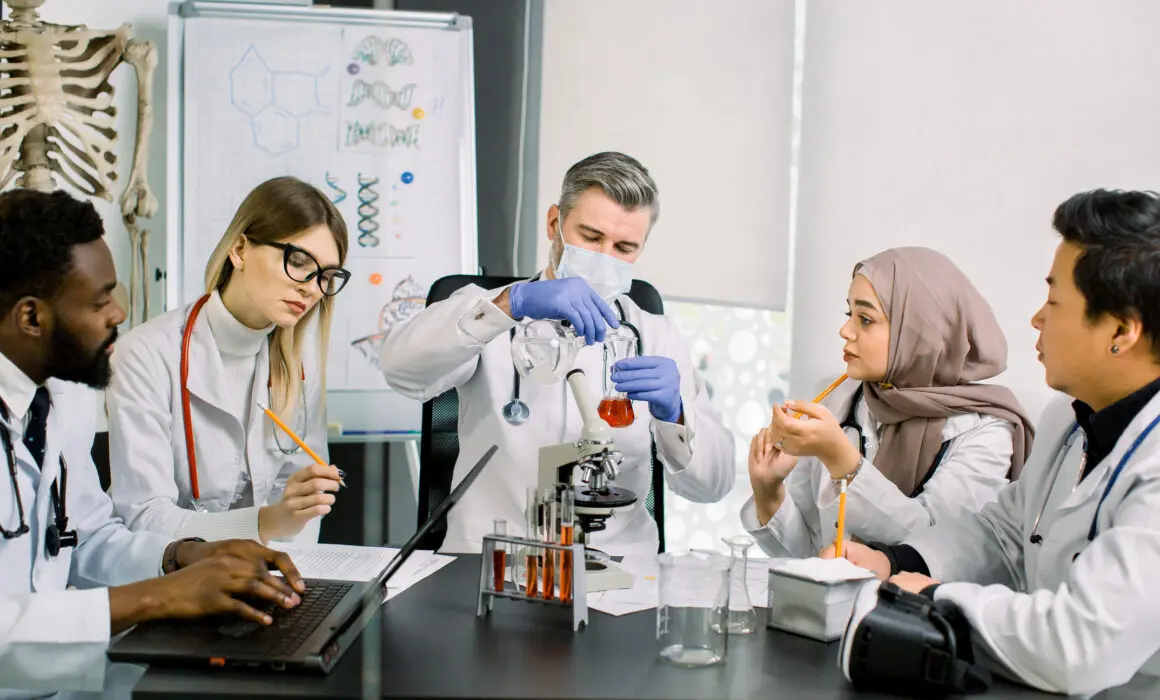
As a Ph.D. student in the Wolfson Faculty of Chemical Engineering at the Technion, O.V. was busy developing a novel tool to target breast cancer tumors aiming to reduce the severe side effects of chemotherapy. Having tested positive for the breast cancer mutation gene herself, O. was motivated to focus her academic work on breast cancer research. But the quiet focus of her doctoral research was shattered on October 7; O. was called into the reserves immediately.
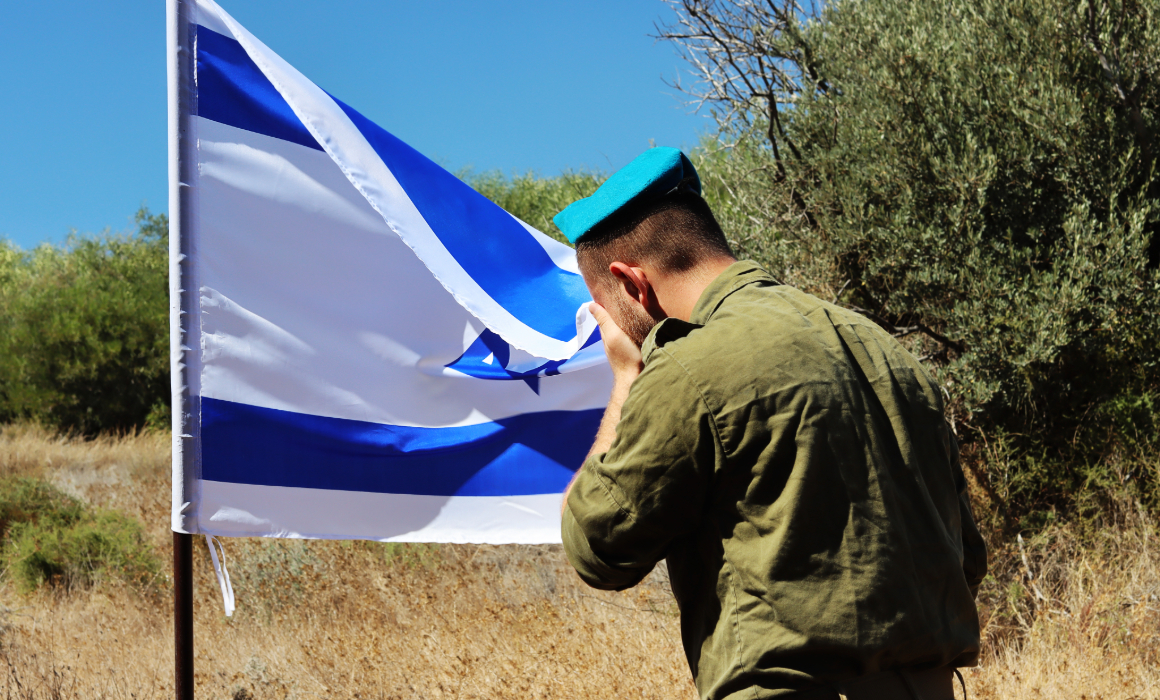
Having previously served as a rescue fighter in the Home Front Command, O. was no stranger to the responsibilities of the Israel Defense Forces. She spent years preparing civilian populations in southern Israel for the horrors of rocket attacks. Now her area of service shifted from preparation to something much more difficult.
“We were asked if we would assist the police in informing families that their loved ones had been murdered,” said O. “I chose to take on this responsibility along with a close teammate.”
For one month, the two traveled across the country, knocking on doors to deliver the devastating news. They stayed in some homes for hours until more relatives arrived, just to offer presence, solidarity, and empathy. The emotional burden of this service was compounded by the slow process of identification.
“Many families had been living in deep uncertainty,” she said, “as some victims weren’t identified for weeks. They waited for any information.” As terrible as that knock on the door was, it also brought some closure. “Giving families that certainty as soon as possible was one of the main reasons I volunteered.”
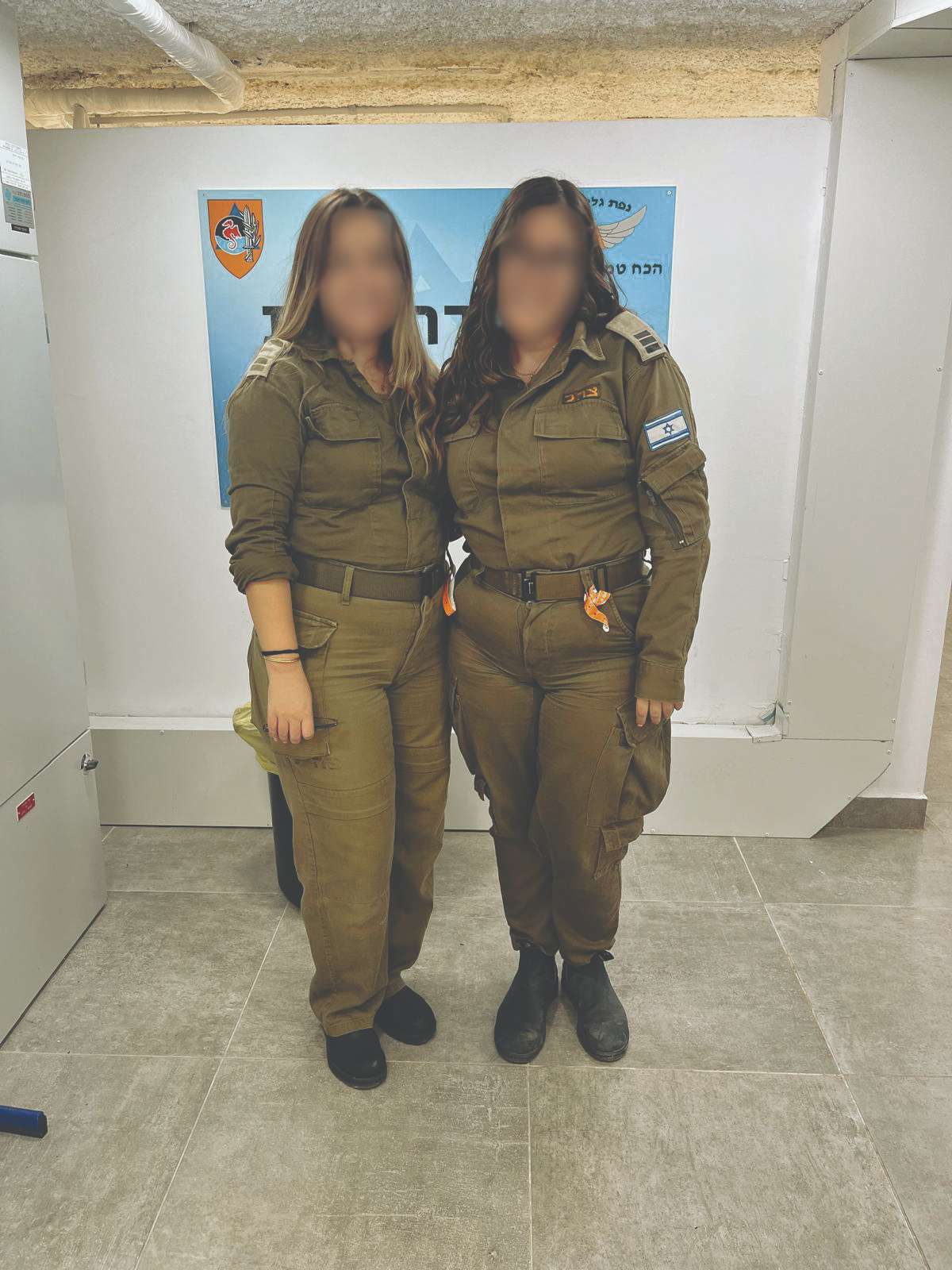
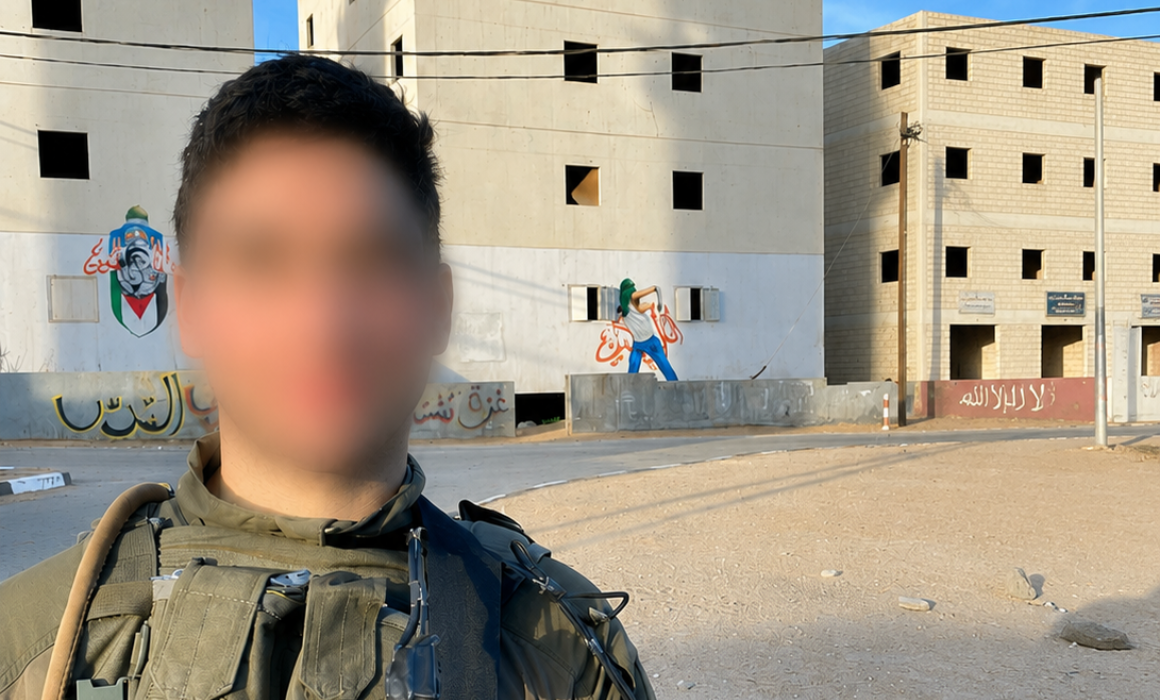
Technion student and IDF reservist O. with her friend, both in uniform
At the end of every day, O. and her teammate Y. had a small ritual. “We would stop by the sea and talk about what we had been through,” she said. “Those moments of closing the day together were what allowed us to wake up the next morning and do it all over again.”
Another great source of strength for O. was having her younger sister in the same unit. Together, they shared the burden of their duty, which strengthened their bond.
“During one of our first times notifying families, Y. and I drove to Ashkelon, close to Gaza. After we finished, we stopped at a gas station so I could use the restroom. While I was inside, my sister called, and when I didn’t answer, she called Y. He got so alarmed by her tone that he banged on the door.
“I took the call, and she told me terrorists were reportedly driving on the road we’d just taken and that we needed to leave immediately. Her calm voice kept me functioning almost casually. I left without even buttoning my uniform, and we sped off. The terrorists were caught not far from us, and when we returned to the unit, my sister was waiting with hot food.”
The Technion community was also an incredible pillar of support. “I was granted academic flexibility, help completing course material, and the option to extend my Ph.D. timeline, making it possible to balance a rigorous workload during wartime,” she noted. O.’s supervisor was also on reserve duty, and called almost every day just to check in. “That kept me connected to the lab, to the atmosphere, and to the idea of life after the reserves.”
After serving for more than 150 days, transitioning back to the lab was daunting.
I’m not sure things have gone back to how they were. Maybe that’s part of what it means to be Israeli now, nothing fully returns to ‘before.’”
Technion student and IDF reservist, O.
But slowly, reserve duty became part of O.’s routine life.
A researcher fighting for a cure, and a soldier standing guard over the hearts of her people, O. is ensuring a safer, healthier future for Israel and the world.