Something Fresh in the State of Denmark
October 06, 2026
















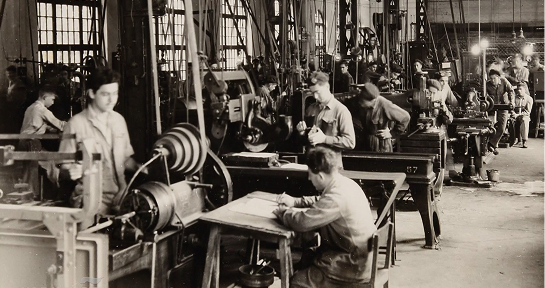
The Technion’s story has been intertwined with Israel’s for more than a century, from laying the foundations for a new nation to shaping its future.

Step inside Israeli innovation at the David and Janet Polak Visitors Center. Experience our 360° immersive movie and tech exhibition. Open to individuals and groups.
Learn More

It’s come to this. With Earth at its hottest point in recorded history, and humans doing far from enough to stop its overheating, a small but growing number of astronomers and physicists are proposing a potential fix that could have leaped from the pages of science fiction: The equivalent of a giant beach umbrella, floating in outer space. The idea is to create a huge sunshade and send it to a far away point between the Earth and the sun to block a small but crucial amount of solar radiation, enough to counter global warming. Scientists have calculated that if…
To wean itself off fossil fuels, the world needs cheaper ways to produce green hydrogen—a clean-burning fuel made by using renewable electricity to split water into hydrogen and oxygen. Now, researchers report a way to avoid the need for a costly membrane at the heart of the water-splitting devices, and to instead produce hydrogen and oxygen in completely separate chambers. As a lab-based proof of concept, the new setup—reported this month in Nature Materials—is a long way from working at an industrial scale. But if successful, it could help heavy industries such as steelmaking and fertilizer production reduce their dependence on oil,…
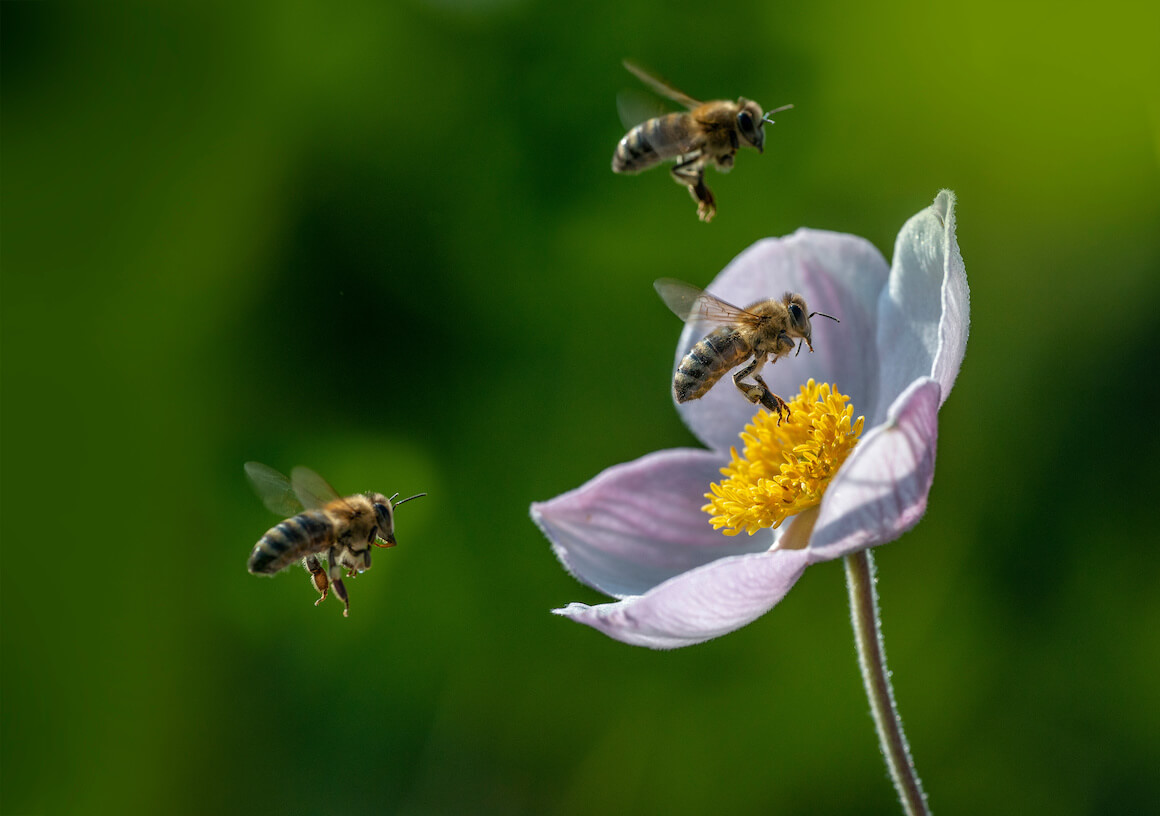
That the world’s bee population is in crisis is no secret. Scientists, conservationists and agriculturalists have been scrambling for a solution to a situation that could be catastrophic for humans who rely on these stripy natural pollinators and their winged cohorts to propagate much of the food that we eat. Israeli company Edete says it has a unique solution, giving the insects – and those who benefit from their hard work – a helping hand in the form of mechanical artificial pollination, which it says is vital if we wish to ensure food security for future generations.

Cornell researchers’ “leaf-level” visualization of every tree in New York City – and how much shade each provides – could inform new strategies for mitigating extreme heat there, and in other cities coping with record-breaking temperatures. Tree Folio NYC creates a “digital twin” of New York’s urban canopy. The high-resolution, 3D model not only details trees’ location, type and size, but simulates how local conditions such as street orientation, street width and building height influence their shading benefits. For decades, cities have planted trees in uniform rows along streets. But improved understanding of how tree placement impacts shading could help planners…

Dan Shechtman (born 24 January 1941) is an Israeli scientist. He received the 2011 Nobel Prize in chemistry for his discovery of quasicrystals. He was born on 24 January 1941, in Tel Aviv, Israel. His early education laid the foundation for his later achievements in the field of science. He attended the Technion–Israel Institute of Technology, where he pursued his undergraduate and graduate studies in materials engineering. His fascination with the properties of materials and crystal structures became a guiding force in his academic and professional life. Shechtman earned his Bachelor’s degree in Mechanical Engineering from the Technion in 1966. He…

A visit to the bakery usually involves temptation by cupcakes or pastries in enticing hues of orange, pink and purple. What if we could create those vibrant shades of sweet treats without artificial additives and as naturally as bread rises? Israeli startup Phytolon (a combination of phyto, the Greek word for plant, and lon, Arabic for color) has developed strains of baker’s yeast that can produce 75 percent of the colors used in the food industry – including shades of orange, red, pink and purple. The startup’s yeast produces the betalain pigments that are naturally found in bright red beetroot, sunny yellow cactus fruit and…
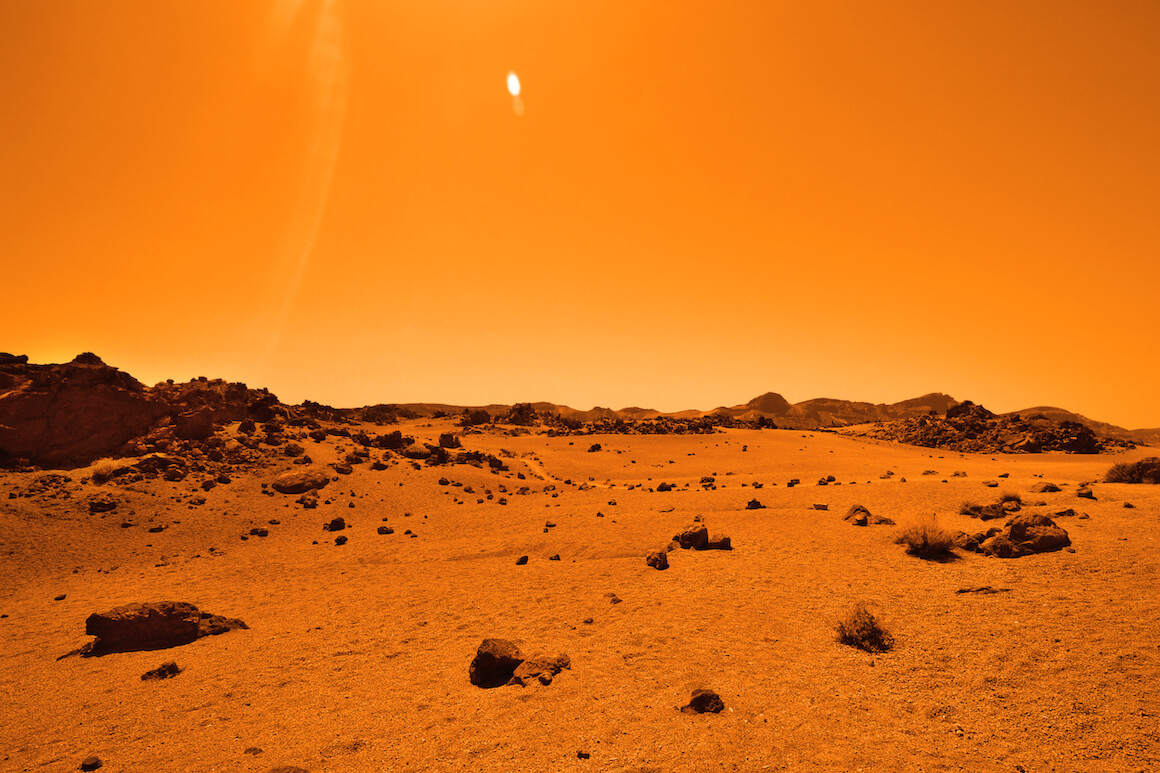
Mars is one of the most explored components of the solar system, yet there are always more discoveries to unveil on Earth’s planetary neighbor. On Earth we are able to take direct measurements to understand our planet’s meteorological activities, but on Mars scientists must use evidence in the landscape to discern this information instead. One such feature of the red planet’s landscape are barchan dunes in deserts, crescent-shaped sand dunes formed by wind patterns predominantly in one direction in areas with a limited supply of sand. Such aeolian-derived dunes are significantly impacted by the atmospheric circulation on the planet’s surface, with new research published in Geophysical Research Letters finding…
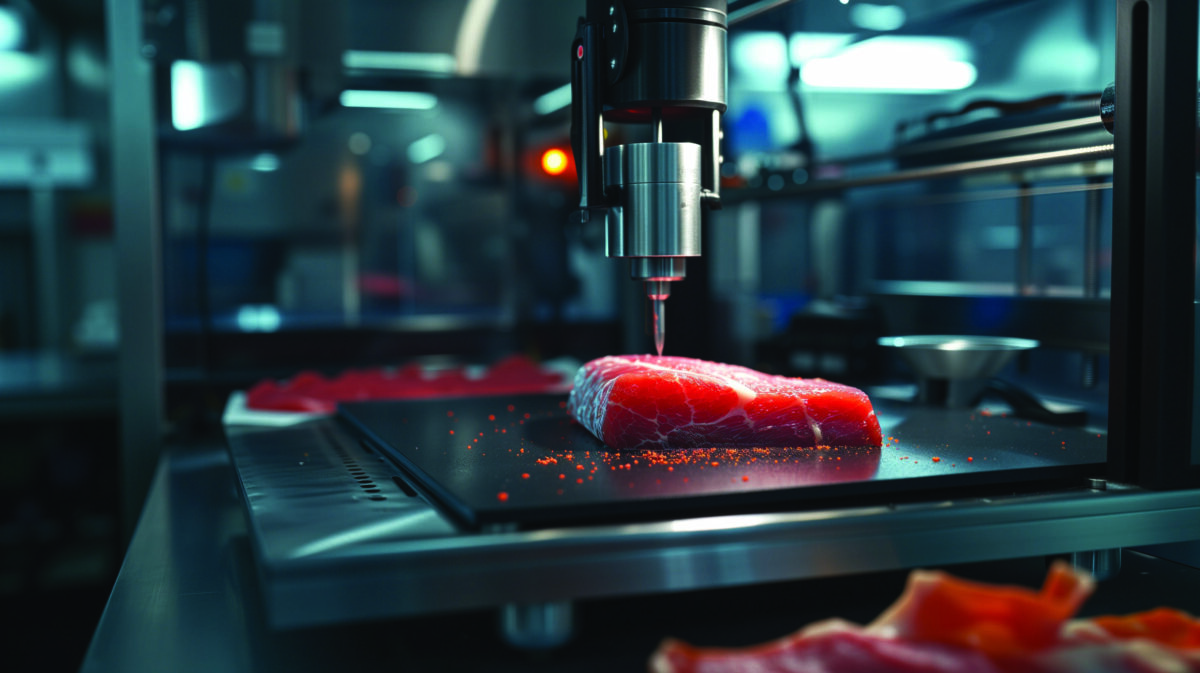
Could sustainable plant-based food created at the Technion help solve world hunger and mitigate the climate crisis? The Technion – Israel Institute of Technology’s Sustainable Protein Research Center is developing solutions to feed our growing population while cutting our carbon footprint. Gain insights from SPRC experts who are revolutionizing the field: Prof. Yoav D. Livney […]

An Israeli startup has bioengineered milk protein to create a wide range of dairy products – using mushrooms and no cows. And, the company says, their products are healthier, greener and cheaper to create. Haifa-based ImaginDairy uses freely available DNA codes for milk proteins to recreate their DNA, the company’s CEO and co-founder Eyal Afergan tells NoCamels. The data is even available on the website of the US government’s National Center for Biotechnology Information. There are two major proteins in milk – whey and casein, Afergan explains. These proteins are present in every single milk-based food. Casein makes up about 80 percent…

A study recently published in the journal Nanophotonics reveals that by rapidly modulating the refractive index – which is the ratio of the speed of electromagnetic radiation in a medium compared to its speed in a vacuum – it’s possible to produce photonic time crystals (PTCs) in the near-visible part of the spectrum. The study’s authors suggest that the ability to sustain PTCs in the optical domain could have profound implications for the science of light, enabling truly disruptive applications in the future. A PTC is only stable if the refractive index can be made to rise and fall in line with…
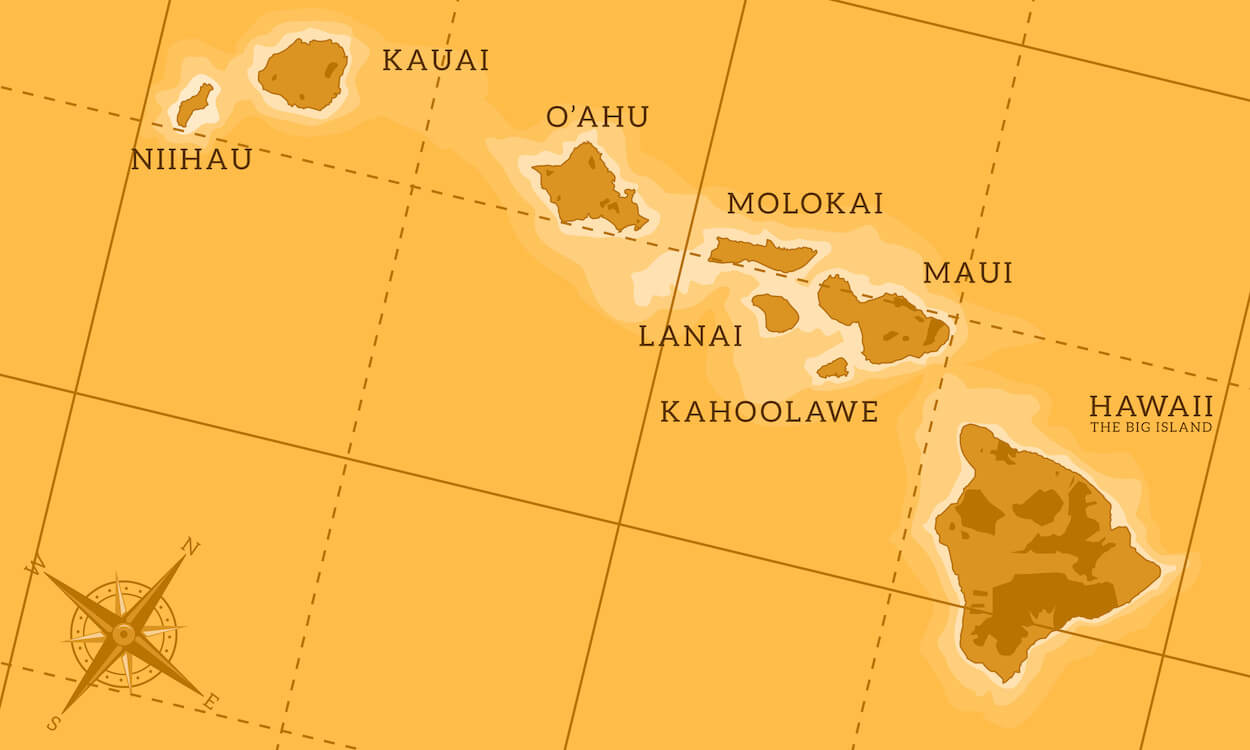
The wildfires in Maui may finally be fully contained, but the environmental impact left in the wake of the the infernos will last for years to come, experts told ABC News. As the Maui community begins to heal from the wildfires that killed more than 100 people and incinerated a large portion of the island, residents will now start to grapple with the painstaking cleanup and rebuilding phase, an emotional process that could also contain health risks, the experts said. The cleanup process will need to be done “very carefully,” due to the hazards, Kristina Dahl, senior climate scientist at the Union of Concerned Scientists,…
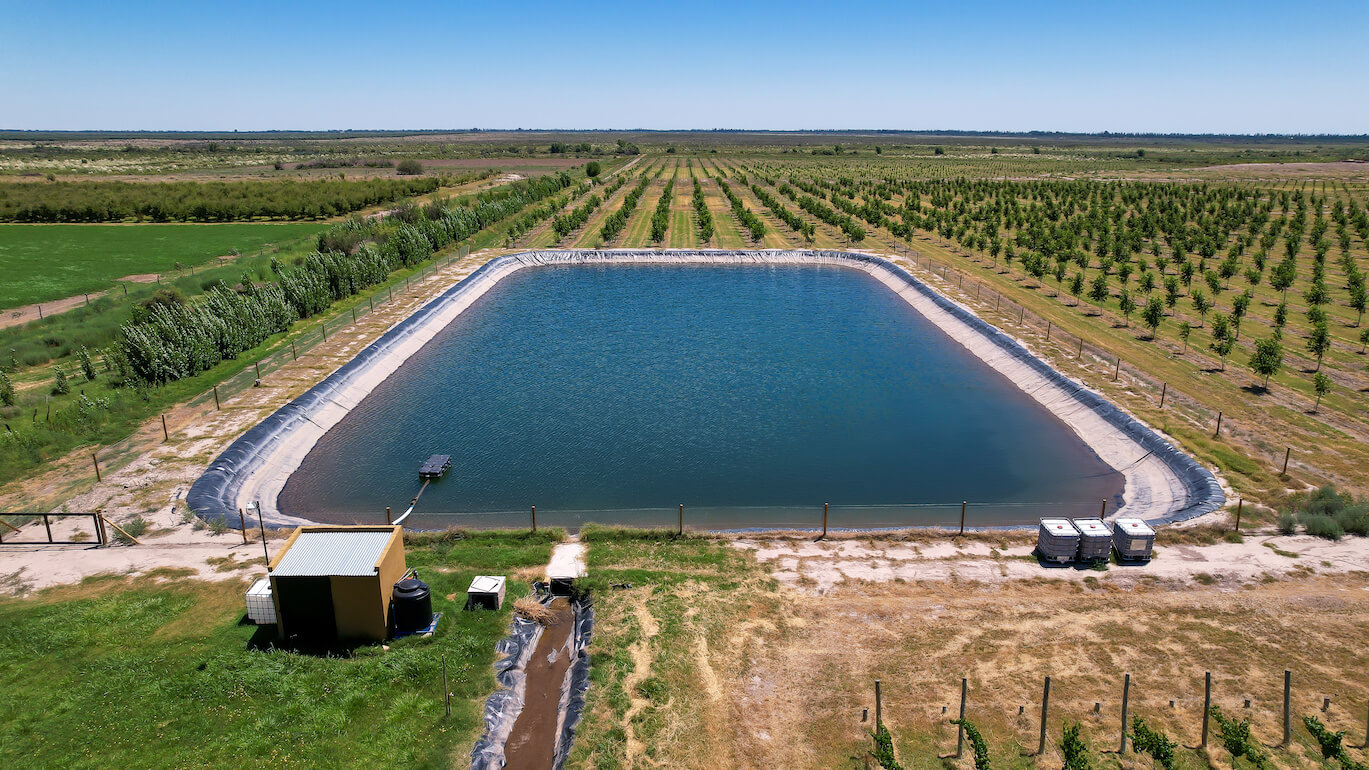
A unique “coworking space” for farmers in drought-stricken Rwanda will soon offer local growers a sustainable way to produce crops. Agriculture accounts for a third of landlocked Rwanda’s GDP but relies on rainfall and suffers low levels of productivity. The unique site, including its purpose-built water source and an energy network, was designed by Israeli precision irrigation pioneer Netafim and built in cooperation with the government, which provided $50 million in funding.