Something Fresh in the State of Denmark
October 06, 2026


























The Technion’s story has been intertwined with Israel’s for more than a century, from laying the foundations for a new nation to shaping its future.

Step inside Israeli innovation at the David and Janet Polak Visitors Center. Experience our 360° immersive movie and tech exhibition. Open to individuals and groups.
Learn More

Researchers at the Technion – Israel Institute of Technology have developed a technology that allows users to control movement in AI-generated videos using simple mouse gestures, without requiring large computing resources or retraining on massive video datasets. The system, called Time to Move, or TTM, was developed by Dr. Or Litany of the Henry and Marilyn Taub Faculty of Computer Science, together with Prof. Ron Kimmel and students Asaf Singer, Noam Rotstein and Amir Mann. Litany presented the research last month at the International Conference on Learning Representations, or ICLR 2026, in Brazil. The conference is considered one of the…

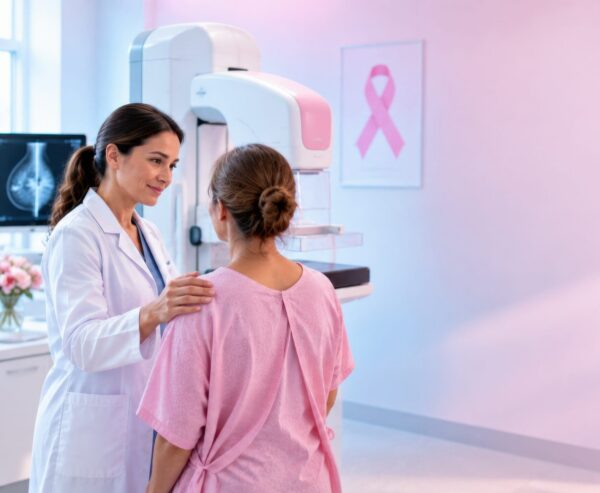
An innovative technology developed by researchers at the Technion – Israel Institute of Technology could lead to a fundamental shift in the cancer treatment paradigm. They created advanced nanoparticles that successfully halt aggressive triple-negative breast cancer tumors – without releasing a single drug molecule. The particles operate through a sophisticated interaction with the immune system, changing the rules of the game by delivering a biological message to the tumor microenvironment and to immune system cells. Published in ACS Nano, the study was led by Ph.D. candidate Ofri Vizenblit, with the assistance of Ph.D. candidate Rawan Mhajne, under the supervision of…

The first small satellite of the CloudCT network has been integrated, tested, and prepared for launch from California in June 2026. This precursor mission will be followed, if successful, by the launch of 10 additional CloudCT satellites in 2027, helping to fill gaps in our understanding of clouds and their role in climate. This marks the culmination of seven years of intensive research by Israeli and German scientists from the Weizmann Institute of Science (led by Prof. Ilan Koren), the Technion – Israel Institute of Technology (led by Prof. Yoav Schechner), and Zentrum für Telematik (led by Prof. Klaus Schilling)….


Not long ago, artificial intelligence felt like something out of science fiction: It lived in futuristic movies and speculative headlines. Today, it’s woven quietly into our daily routines. AI helps us decide where to eat dinner, flags unusual health symptoms, and even drafts our emails. But while AI has changed daily life, its impact within […]

Generations of faculty, students, and alumni have helped build the technologies, companies, and industries that earned Israel its reputation as the “Startup Nation,” with Technion – Israel Institute of Technology graduates founding hundreds of startups and driving breakthroughs in fields ranging from AI and cybersecurity to semiconductors and robotics. Here’s a look at some recent […]
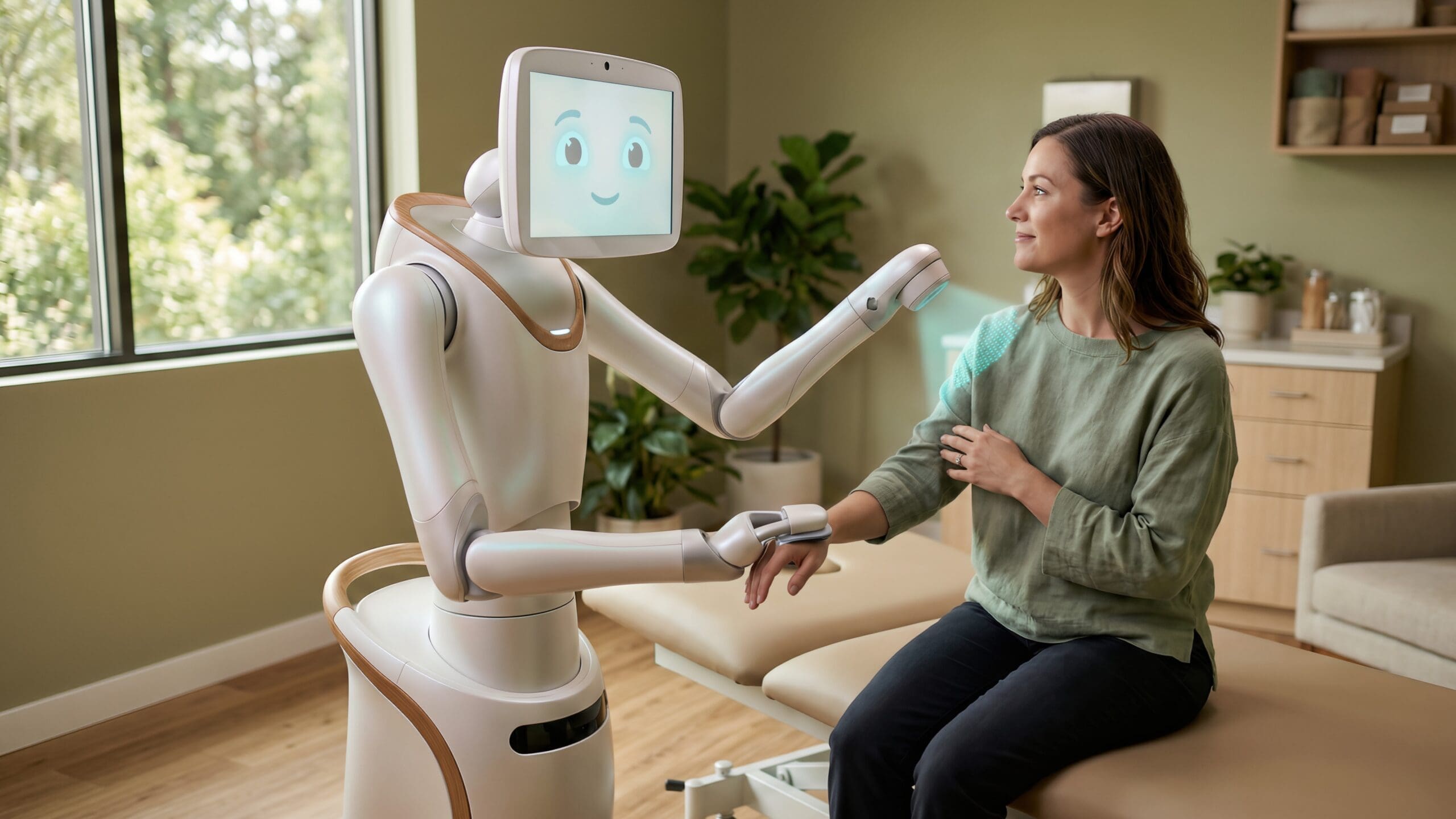
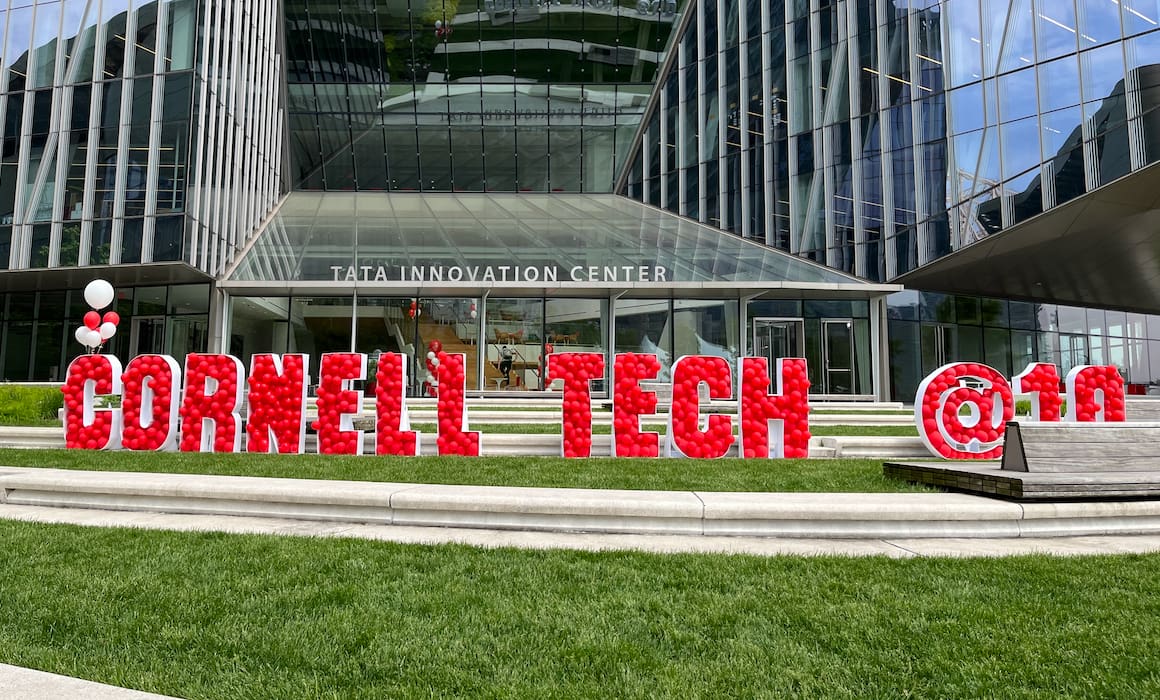
As robots enter hospitals and care facilities, questions remain about whether they actually make care easier for the people who give and receive it. A new Cornell Tech-led study approaches that challenge by inviting healthcare workers, long-term care residents, and community members to help design the robots themselves. Presented at the 2026 Association for Computing Machinery CHI Conference on Human Factors in Computing Systems, the research documents a 14‑week “co-design” project in which nurses, doctors, nursing center residents, artists, engineers, computer scientists, and craftsmen worked side by side to imagine and physically build robots that could ease daily burdens in…

A human ear, engineered and printed in a laboratory, may sound like science fiction — but at the Technion, it is already becoming reality. Prof. Shulamit Levenberg, a member of the Faculty of Biomedical Engineering at the Technion, has successfully developed a method to bioprint cartilage structures designed to replace undeveloped ears. Her work represents […]

According to a recent report, government officials in the United States and Israel are considering a joint effort to develop a large-scale research and development campus for artificial intelligence in Israel’s Western Negev desert. The plan, which is called Project Spire, would create an advanced fabrication and design center to produce, assemble, and test a new generation of computer chips to meet the demands of the rapidly developing artificial intelligence era. The report in the Wall Street Journal was written by two members of Hudson Institute’s Center for Peace and Security in the Middle East, a conservative think tank based…

Rocket and missile attacks and natural disasters can leave first responders racing to save civilians trapped inside damaged buildings. But critical structural information is often locked away in municipal archives, slowing emergency response efforts. Researchers from the Technion and University of Haifa have developed an AI-based system that rapidly delivers this information to rescue teams […]

Could the entire internet fit inside a shoebox? As our world generates more data than our hard drives can handle, we are rapidly approaching a global storage crisis. Prof. Eitan Yaakobi reveals a solution that has been perfecting itself for billions of years: DNA. He discusses his team’s groundbreaking work to translate digital bits into […]

AI is transforming nearly every aspect of modern life — and the Technion – Israel Institute of Technology stands at the forefront of that change. From breakthrough research to globally influential startups, the Technion has earned international recognition as a leader in AI innovation. That leadership was underscored with the release of Greenfield Partners’ 2025 […]