Something Fresh in the State of Denmark
October 06, 2026






















The Technion’s story has been intertwined with Israel’s for more than a century, from laying the foundations for a new nation to shaping its future.

Step inside Israeli innovation at the David and Janet Polak Visitors Center. Experience our 360° immersive movie and tech exhibition. Open to individuals and groups.
Learn More
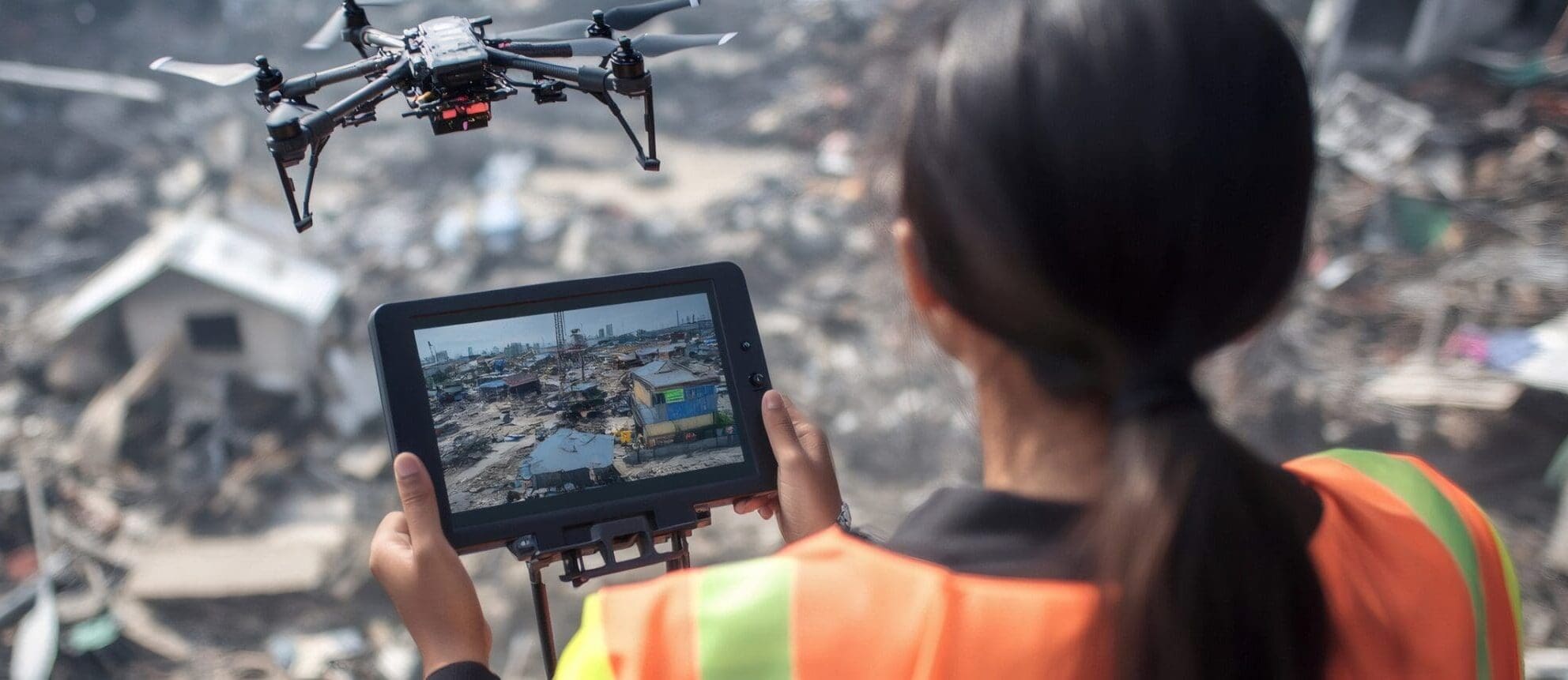
Rocket and missile attacks and natural disasters can leave first responders racing to save civilians trapped inside damaged buildings. But critical structural information is often locked away in municipal archives, slowing emergency response efforts.
Researchers from the Technion and University of Haifa have developed an AI-based system that rapidly delivers this information to rescue teams in the field. At moments when seconds matter, this tech holds the potential to save countless lives.
A key challenge is accessing building construction permits, which are housed in the files of municipal authorities. Historically, local authorities have relied on a slow process of printing the documents and physically delivering them to emergency crews by courier, delaying operations and reducing the chances of saving lives.
To resolve this bottleneck, researchers from the Technion and University of Haifa have developed a tool that delivers this information to rescuers rapidly. The tool retrieves building permits from municipal systems, analyzes them, and rapidly provides precise engineering information about the damaged structure to first responders via their mobile devices, enabling more efficient and effective rescue operations.
For instance, in a collapsed apartment building, emergency personnel could immediately identify stairwell locations, safe entry points, and structural support systems without waiting for paper records. Following a major earthquake, rescue teams responding to a partially collapsed school could use the system to instantly access floor plans, locate reinforced shelters and utility shutoff points, and identify the safest paths for reaching trapped students and staff.
The researchers are now piloting the system with city engineers in Nahariya and Gedera as part of ongoing emergency preparedness efforts.
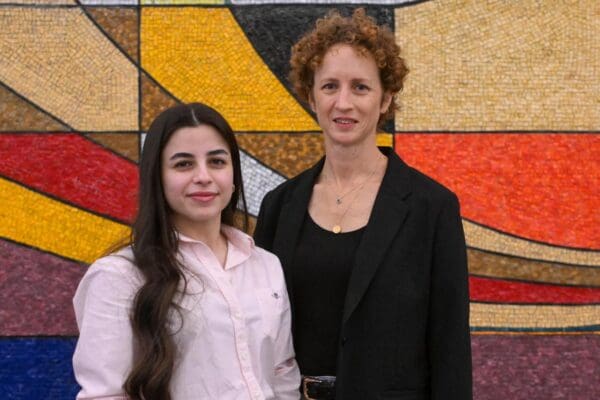
The project was developed by researchers from the Technion’s Housing Lab, including Prof. Yael Allweil, Dr. Yiftach Ashkenazi, and architect Tal Sadeh, in collaboration with Prof. Moshe Lavee and Liat Bonen from the Elijah Lab at the University of Haifa. The team also acknowledged the Nur Lab for facilitating connections with the Home Front Command.
Researchers hope the platform can eventually be adopted by municipalities nationwide, helping emergency responders make faster, safer decisions during disasters and other large-scale emergencies.