At the Technion, an AI Revolution Is Underway
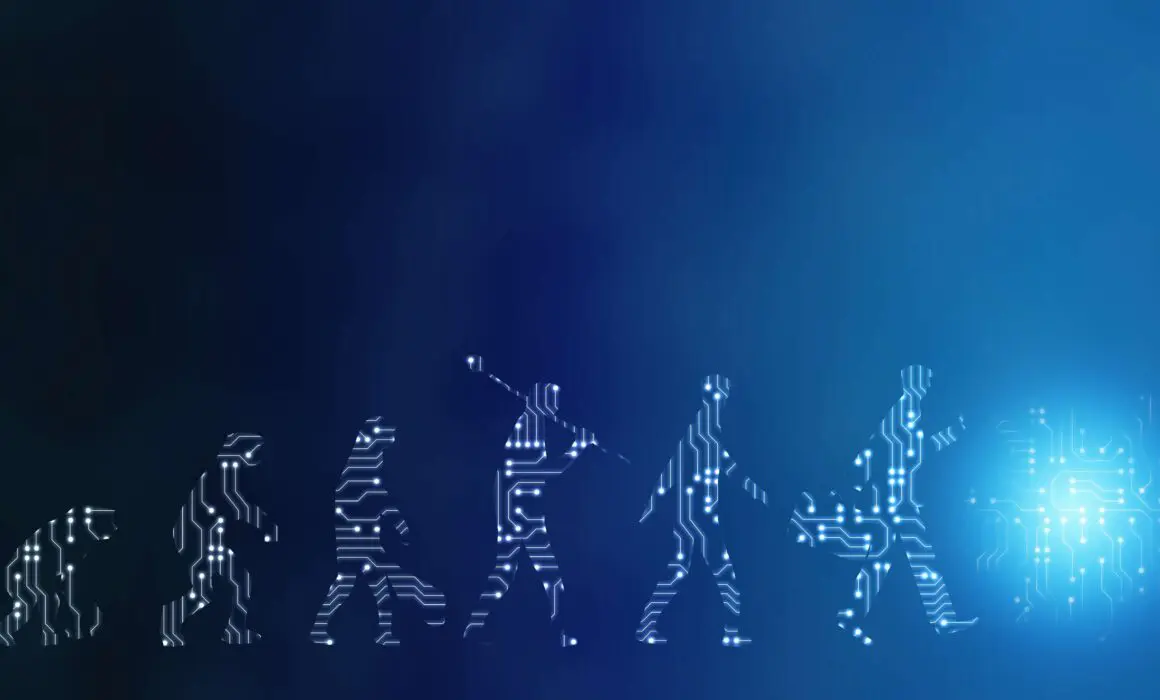
Not long ago, artificial intelligence felt like something out of science fiction: It lived in futuristic movies and speculative headlines. Today, it’s woven quietly into our daily routines. AI helps us decide where to eat dinner, flags unusual health symptoms, and even drafts our emails.
But while AI has changed daily life, its impact within research universities may be even more profound. At the Technion, a revolution is unfolding. AI is not just another tool in the academic toolbox. It is transforming how research is done and how quickly discovery happens.
Technion President Prof. Uri Sivan describes AI as a kind of “superbrain” — one we are all connected to. This superbrain can process staggering amounts of information, recognize patterns humans would miss, and solve problems at speeds that were unimaginable just a few years ago. For researchers — whose work depends on thinking, analyzing, and discovering — AI has become an extension of their own minds.
A Tectonic Shift in Research
Across campus, researchers in fields as diverse as medicine, biology, physics, and mechanical engineering are integrating AI into their daily work. Tasks that once required months or even years of painstaking effort can now be completed in hours. Calculations once done by hand or simulations that took weeks to run are now executed almost instantly.
Prof. Mark Silberstein of the Andrew and Erna Viterbi Faculty of Electrical and Computing Engineering believes this transformation is only beginning. “We’re seeing a tectonic shift in academic research,” he said. “Soon, everyone will be using AI for one thing or another.”
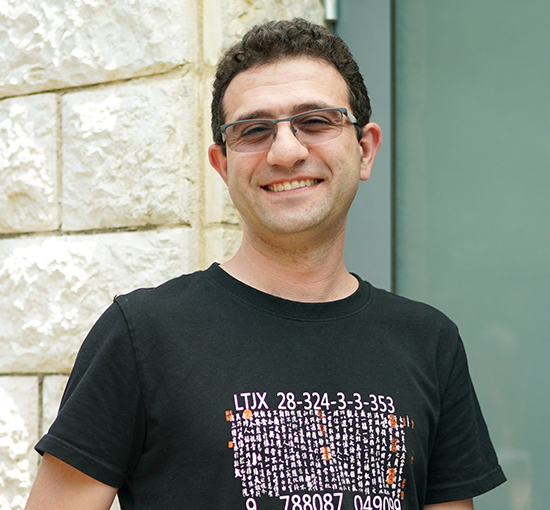
Prof. Mark Silberstein
Within a year, he predicts, AI tools will be fully embedded in research across disciplines — and many researchers will build their own custom AI systems tailored to their work. The pace of change, he said, will only accelerate.
What does that look like in practice?
From the Test Tube to the Computer
For generations, scientific breakthroughs were born in laboratories filled with microscopes, test tubes, and experimental animals. Today, many of those experiments are beginning not in physical labs, but inside computers.
Ofer Strichman, professor of computational logic and computer science in the Faculty of Data and Decision Sciences, has watched this evolution firsthand. “Every year we recruit new faculty,” he explained, “and you can see how more and more scientists are computational experimentalists. They’re doing their research in the computer.”
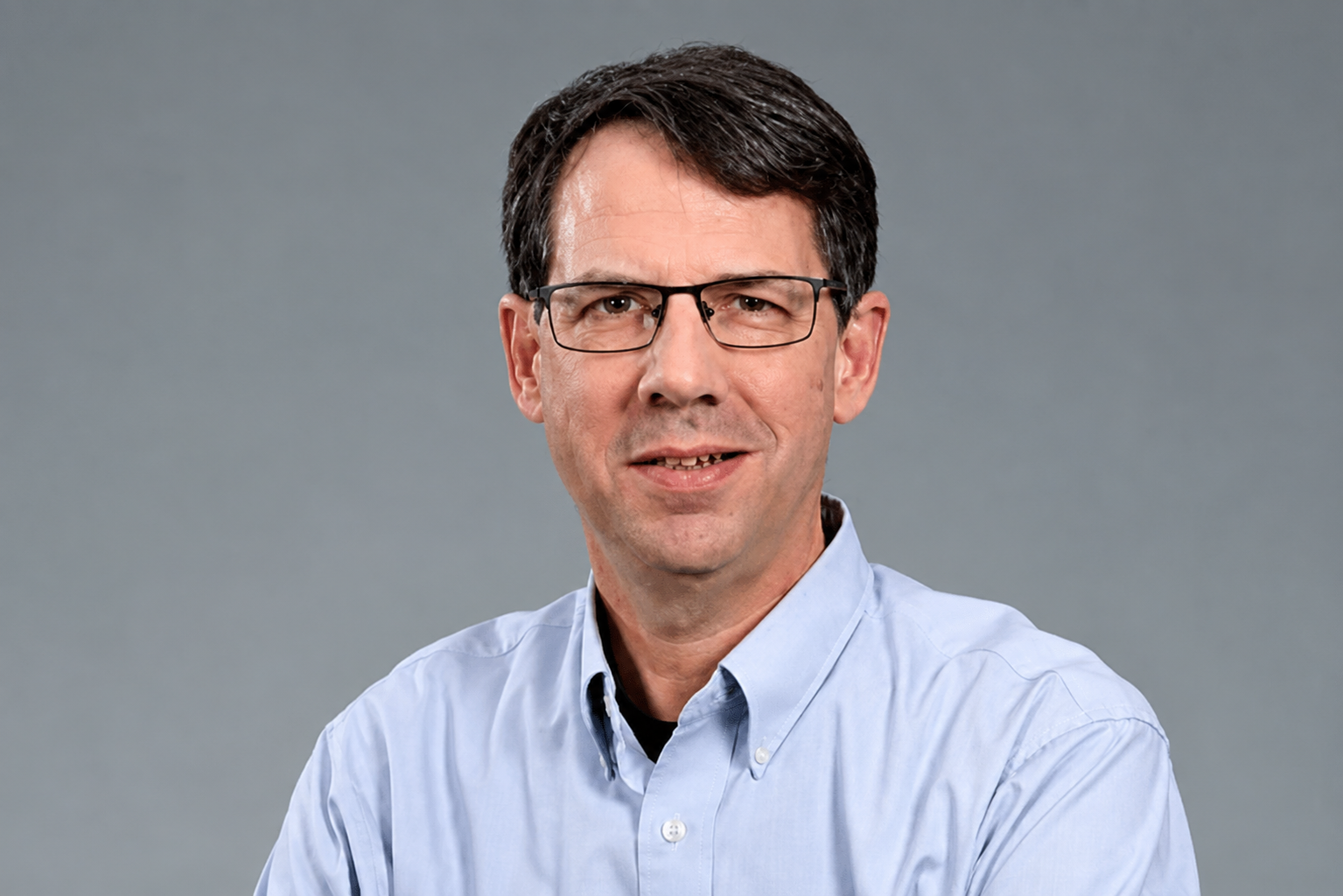
Prof. Ofer Strichman
Imagine developing a new drug. Traditionally, scientists tested one compound at a time, often beginning with animals. It’s slow, expensive, and limited. Now imagine creating a detailed digital simulation of a human organ — a “virtual organ” — and testing not just one molecule, but millions of combinations. AI can analyze the results, identify the most promising candidates, and dramatically narrow down what needs to be tested in the lab. Instead of replacing laboratory work, computers supercharge it. Scientists can explore possibilities that would be impossible to test physically, then return to the lab with sharper focus and better odds of success.
Picture a physicist, for instance, trying to predict how 1,000 celestial bodies will move over the next 1,000 years. The math quickly becomes overwhelming. But with powerful computers, each celestial body can be modeled digitally, with the system calculating how every object influences the others. The simulation unfolds in virtual space, revealing patterns no human could calculate by hand.
“Nowadays,” Strichman said, “the more computing power you have, the better your research results will be. Like having a bigger telescope, computers allow us to see farther.”
Why Computing Power Matters
Behind every AI breakthrough lies a less glamorous but absolutely essential ingredient: computing power.
For more than 30 years, the Technion has operated a high-performance computing (HPC) facility: essentially a warehouse filled with powerful servers. These systems have long supported researchers running complex simulations, particularly in fields like physics and engineering.
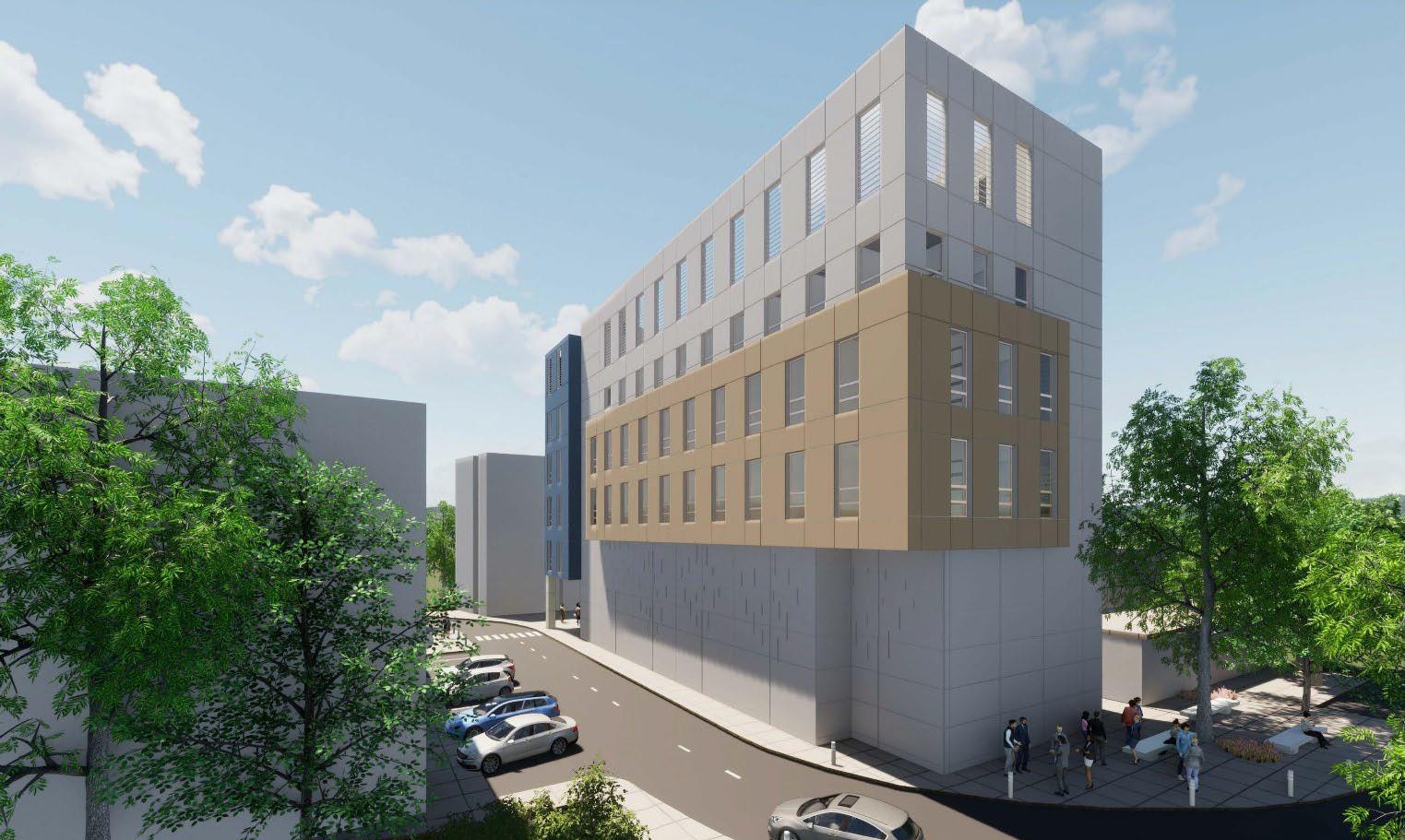
3D render of High Performance Computing Building on Technion campus in Haifa
Traditionally, these computers relied on components called central processing units, or CPUs. You can think of a CPU as the brain of a computer. The Technion currently operates about 6,500 CPUs, and researchers typically wait just a couple of minutes to access one. But AI demands something different.
Modern AI systems rely heavily on graphics processing units, or GPUs. Originally designed to render video game graphics, GPUs are uniquely suited for the kind of massive, parallel calculations that AI requires. While a CPU handles tasks sequentially, a GPU can perform many calculations simultaneously — making it dramatically faster for AI workloads. The difference is enormous.
GPUs are not only expensive — each unit can cost around $250,000 — but they also require specialized infrastructure. They consume large amounts of electricity and generate extraordinary heat, demanding sophisticated cooling systems and advanced networking to allow thousands of units to communicate seamlessly. The Technion currently has only 72 GPUs, which is far from sufficient. Researchers can wait four hours or more for access to one. In a world where speed determines competitiveness, those hours matter.
A Global Race
Around the globe, countries, universities, and technology companies are racing to dominate the AI frontier. Success depends not only on talent and ideas, but also on infrastructure. The institutions that build the most advanced computing systems gain a powerful edge in research, innovation, and economic development.
There is an arms race among countries and universities to achieve AI dominance. To be at the forefront of this field, we need to strengthen the capabilities we have at the Technion.”
Prof. Mark Silberstein
At present, many Technion researchers must rely on industry partnerships to access advanced GPU systems because the University lacks sufficient in-house capacity. While collaboration with industry can be valuable, dependence creates limitations.
Complicating matters, Israel’s recent war with Hamas forced national and institutional priorities to shift. The Technion focused on protecting its campus from rocket attacks, supporting thousands of students and staff called to military service, and even housing displaced families. Long-term infrastructure investments were necessarily delayed. Now, as the country looks toward rebuilding and strengthening its future, expanding AI infrastructure has become a strategic priority.
The Technion is taking a major step forward with the construction of the Martin and Grace Druan Rosman High-Performance Computer Data Center. The facility is nearing completion and will provide a state-of-the-art home for next-generation computing.
Supported by Dr. Martin Rosman and Grace Druan Rosman through the American Technion Society, the new center includes advanced electrical systems, cutting-edge cooling technologies, and high-speed communications networks — all designed specifically to support powerful GPU-based systems. In simple terms: The building will be ready for the AI era.

Martin and Grace Rosman unveiling the supercomputing center, 2023
But a facility alone is not enough. It must be filled with the GPUs and advanced hardware that researchers need. That requires significant additional investment.
High Stakes for Israel
For Israel, the implications extend far beyond campus. Israel’s reputation as the Startup Nation rests heavily on the strength of its scientific institutions. Many of the country’s most successful technology companies trace their roots to Technion labs and classrooms. The engineers and entrepreneurs trained here help power Israel’s economy.
If the Technion falls behind in AI research infrastructure, the ripple effects could be significant. Conversely, if it leads, the impact could be transformative: accelerating medical breakthroughs, advancing clean energy solutions, strengthening national security, and fueling new industries.
“The Technion is committed to educating the best engineers in the world, the most capable entrepreneurs,” Silberstein said. “Israel’s brainpower is our competitive advantage.”
The AI revolution is not a distant possibility. It is here. It is reshaping science, education, and industry in real time. At the Technion, the question is not whether AI will transform research — that transformation is already underway. The question is how boldly and how quickly the University can build the infrastructure needed to lead.
In the race for AI leadership, computing power is more than machinery. It is potential. It is discovery. It is the ability to imagine bigger questions — and actually answer them.
And at the Technion, that revolution has already begun.