Something Fresh in the State of Denmark
October 06, 2026



















The Technion’s story has been intertwined with Israel’s for more than a century, from laying the foundations for a new nation to shaping its future.

Step inside Israeli innovation at the David and Janet Polak Visitors Center. Experience our 360° immersive movie and tech exhibition. Open to individuals and groups.
Learn More

Since October 7, tens of thousands of wounded soldiers and civilians in Israel have embarked on rehabilitation processes. According to relevant professionals, a large share of them is not only coping with physical challenges but also with anxiety, depression, post-traumatic stress disorder (PTSD), problems adapting, problems communicating, and psychotic conditions. Consequently, it’s crucial to find efficient solutions related to mental resilience. To that end, the Technion’s Henry and Marilyn Taub Faculty of Computer Science dedicated its annual social–technological hackathon, CS Hack: Doing Good, to developing solutions to improve mental resilience. Each year, the hackathon chooses a theme for innovation that…
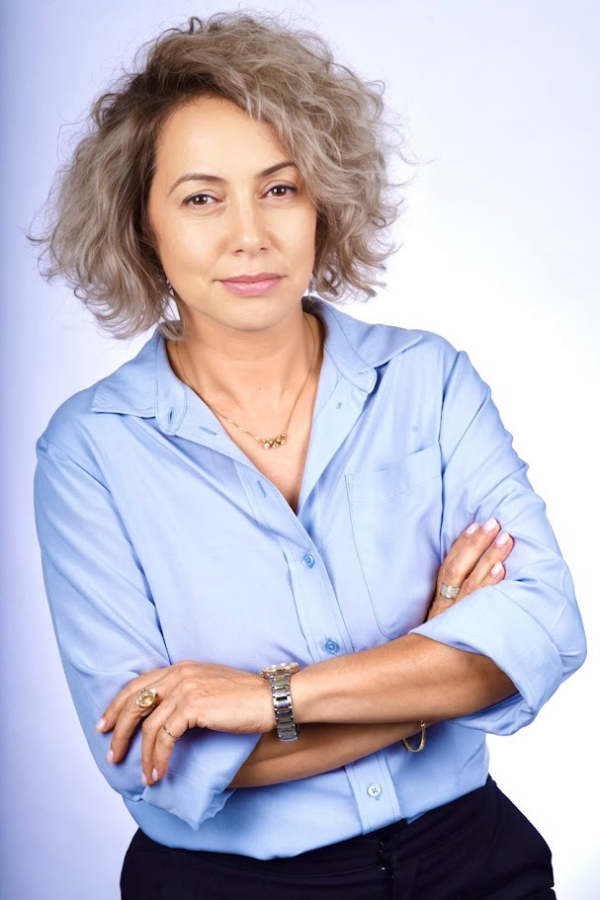
“I’m part of the division that protects civilians in Israel and that makes me very proud,” said Technion alumna Maya Shnur. “Every morning when I go to work, I feel like I’m on a mission.” Shnur works at the vaunted Israeli defense company Rafael Advanced Defense Systems as the deputy general manager of Mergers, Acquisitions, […]

This month, 136 new doctors received their medical diplomas from the Ruth and Bruce Rappaport Faculty of Medicine at the Technion. Twenty-six of them graduated with honors, five with special distinction, and 14 completed the prestigious M.D.–Ph.D. program, which combines medicine and research. Three of the outstanding graduates claim proud family legacies at the Technion and in medicine.

Many of us rely on the internet for images we need in our daily work or correspondence. But all too often, the search doesn’t always hit the mark — despite continuous advances in artificial intelligence. For instance, you need a picture of a female CEO but most of the images popping up are of men. You’d like to playfully send your girlfriend a picture of roses in her favorite color, lavender, but you can only find red. Better results could be coming your way, thanks to a team of Technion doctoral students and alumni working with Technion Assistant Professor Yonatan…

“Stay positive,” we’re told when suffering from an illness. It’s easy to dismiss such comments as platitudes from well-meaning friends. But Technion scientists have demonstrated that activation of the brain’s reward system can boost recovery from a heart attack. Establishing the connection between the two can potentially lead to therapeutic avenues for intervention. “It’s time that both researchers and clinicians take the link between psychology and physiology seriously,” said Technion Associate Professor Asya Rolls, a psychoneuroimmunologist and pioneer in mind-body interactions. Scientists have previously shown that the emotional state can influence the course of disease following a heart attack. But…

Sarit Shpits remembers a moment when a colleague, analyzing battlefield video, recognized members of the IDF unit using her company’s equipment. It starkly brought home how her work goes beyond selling cyber-protected communications networks to safeguard drones and other robotics. “It’s much more than business,” said Shpits. “Each piece of equipment leaving here needs to be the best possible because the people using it are our kids, our friends, our husbands, boyfriends, girlfriends.” A Technion graduate of the class of 1997, Shpits joined Australian-U.S.-Israeli-based Mobilicom earlier this year, hoping to contribute more directly to Israel’s security. “October 7 increased my…
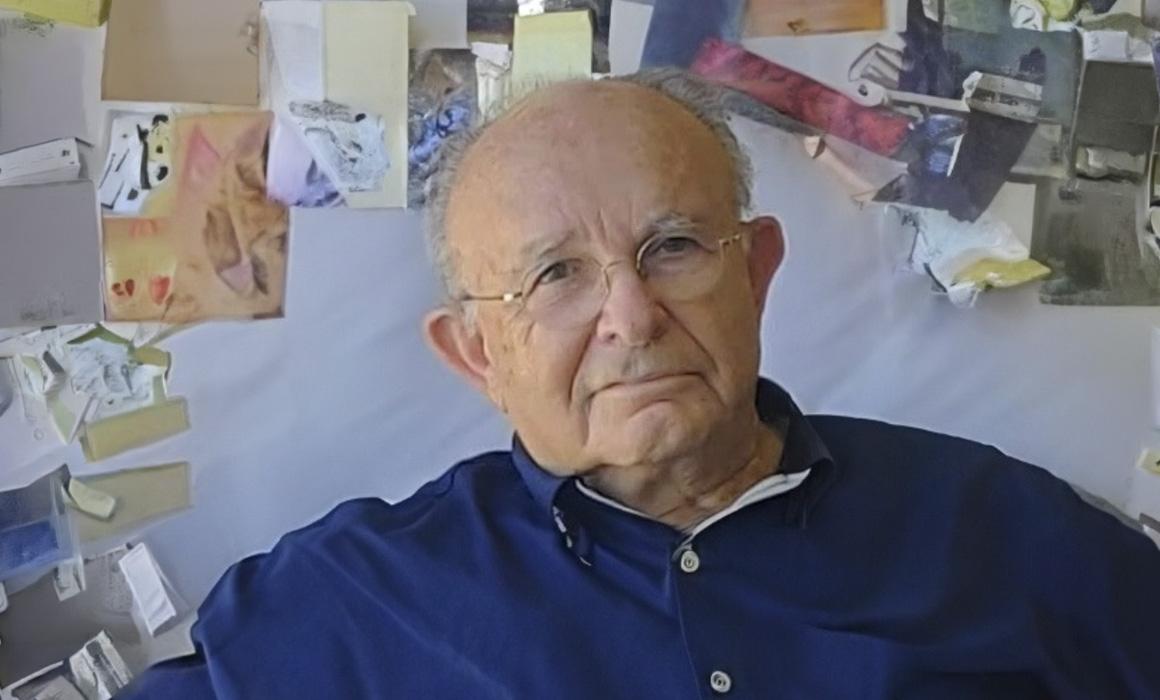
In the late 1970s, when no one thought it could be possible, Dov Raviv, a Technion alumnus, had a fantastical idea for a defensive weapon that could intercept and shoot down long-range incoming missiles. The idea developed into what would become the Arrow Antimissile System, the world’s first missile defense platform, and what would protect […]
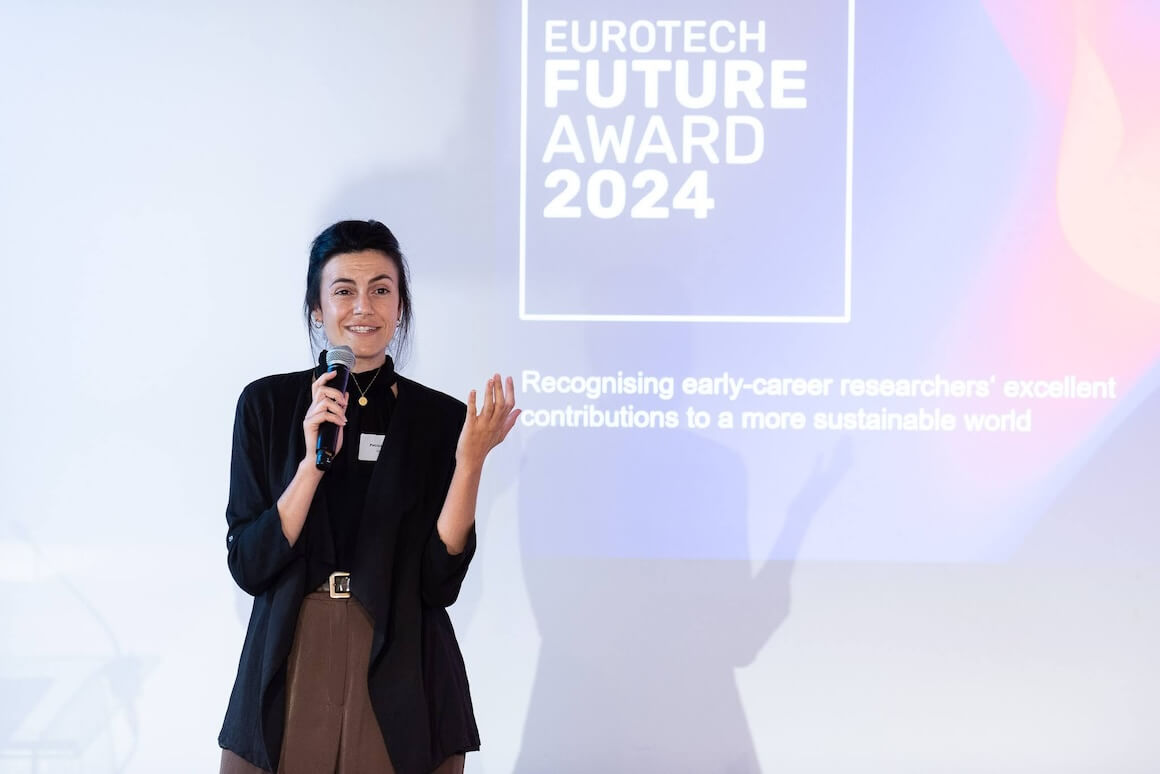
Imagine if music turned out to be the panacea for treating Alzheimer’s disease and other neurological disorders. Dr. Patricia Mora-Raimundo, a postdoctoral researcher in the Technion’s Wolfson Faculty of Chemical Engineering, is investigating the possibility. Like the Pied Piper, she developed a model to improve nanomedicine delivery directly to the injured parts of the brain through music. Nanometric drugs have the potential to produce much better treatment outcomes for neurological diseases than conventional treatments. However, one of the main challenges is the blood-brain barrier. This barrier protects the brain from infections but is also a complex obstacle to drug delivery….
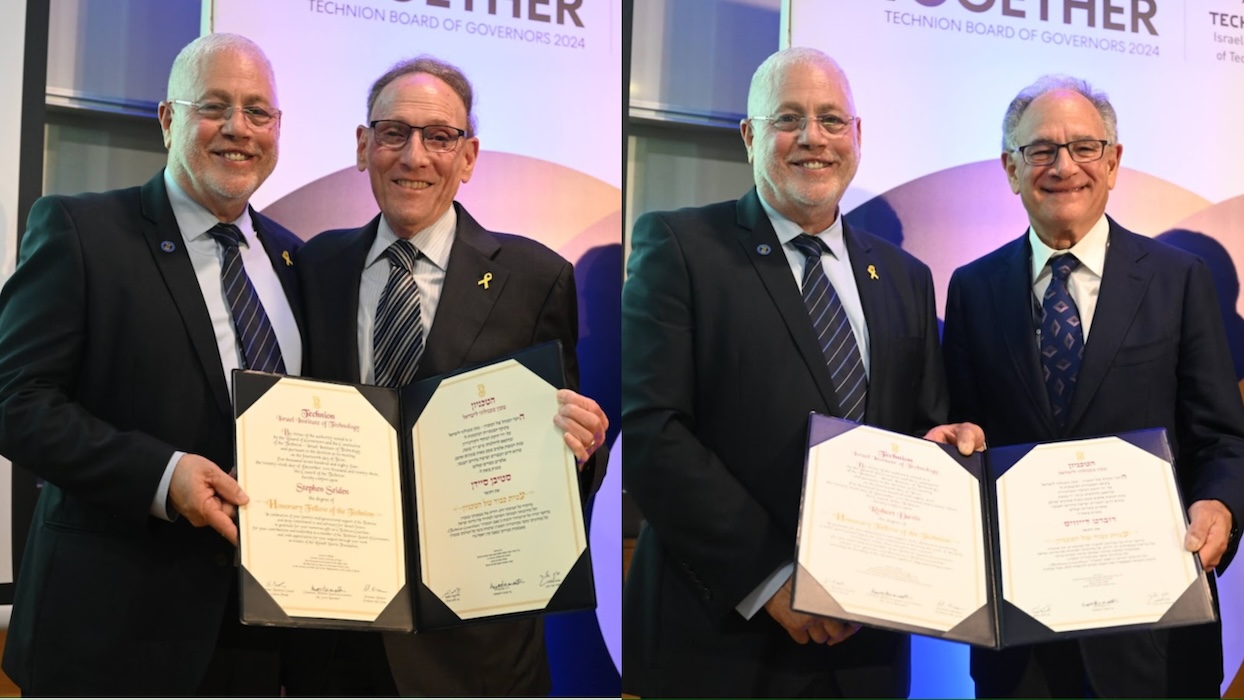
Congratulations to multi-generational Technion supporters Robert Davis and Stephen Seiden, who received honorary fellowships from the Technion for their long-term commitment and generosity to the University. The two were recognized at a moving ceremony June 3 during the 2024 Board of Governors meeting on the campus in Haifa. This year’s meeting, aptly called a “Solidarity Board,” was more modest than previous years, due to October 7. But the smaller attendance helped to deepen the interaction among attendees. “Many of the Technion’s friends came to the Board of Governors’ meeting from near and far, despite the situation,” said Technion President Professor…

Captain (res.) Denis Krokhmalov Veksler z”l was due to begin his studies this year at the Technion, pursuing his dream of becoming an aerospace engineer. But, on January 8, just weeks before the start of the school year, Captain Krokhmalov Veksler tragically fell in battle in the Gaza Strip. His ultimate sacrifice is being memorialized through a collaboration between the Technion and Israel Aerospace Industries (IAI) to develop a communications satellite.
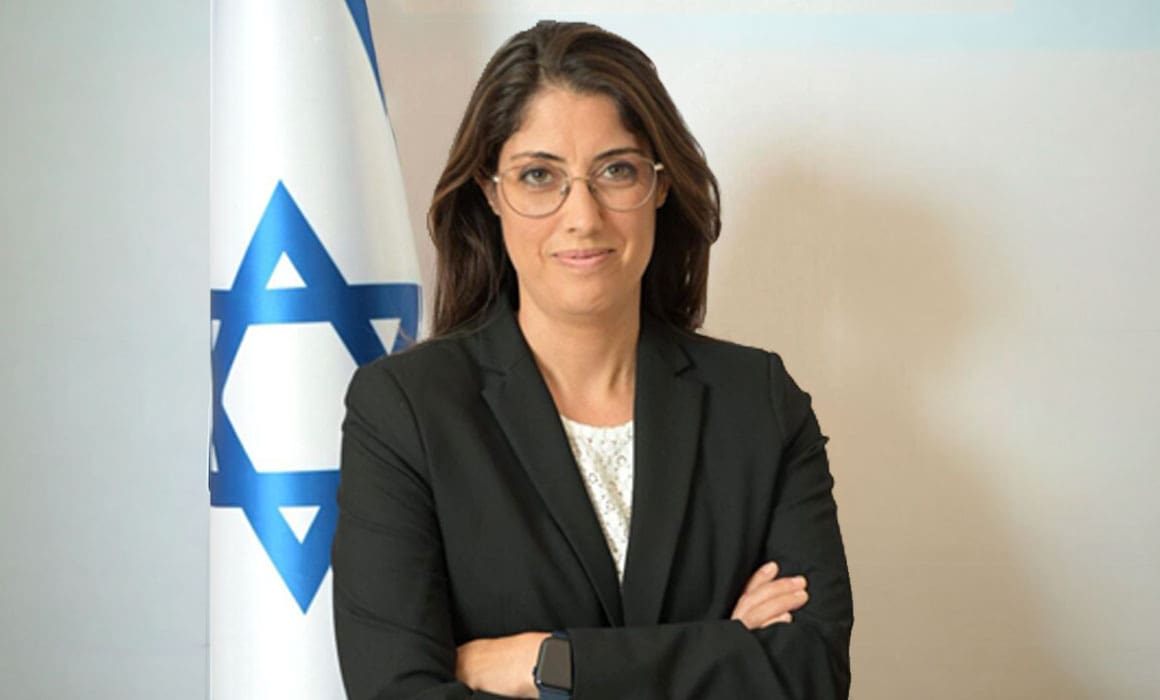
When she was 17 years old, Hilla Haddad Chmelnik ’06 decided to pursue engineering at the Technion. An exemplary student from a young age, Hilla participated in the Atuda program, deferring her military service until after completing her studies so that she could bring specialized knowledge to the IDF. She ultimately chose to major in […]
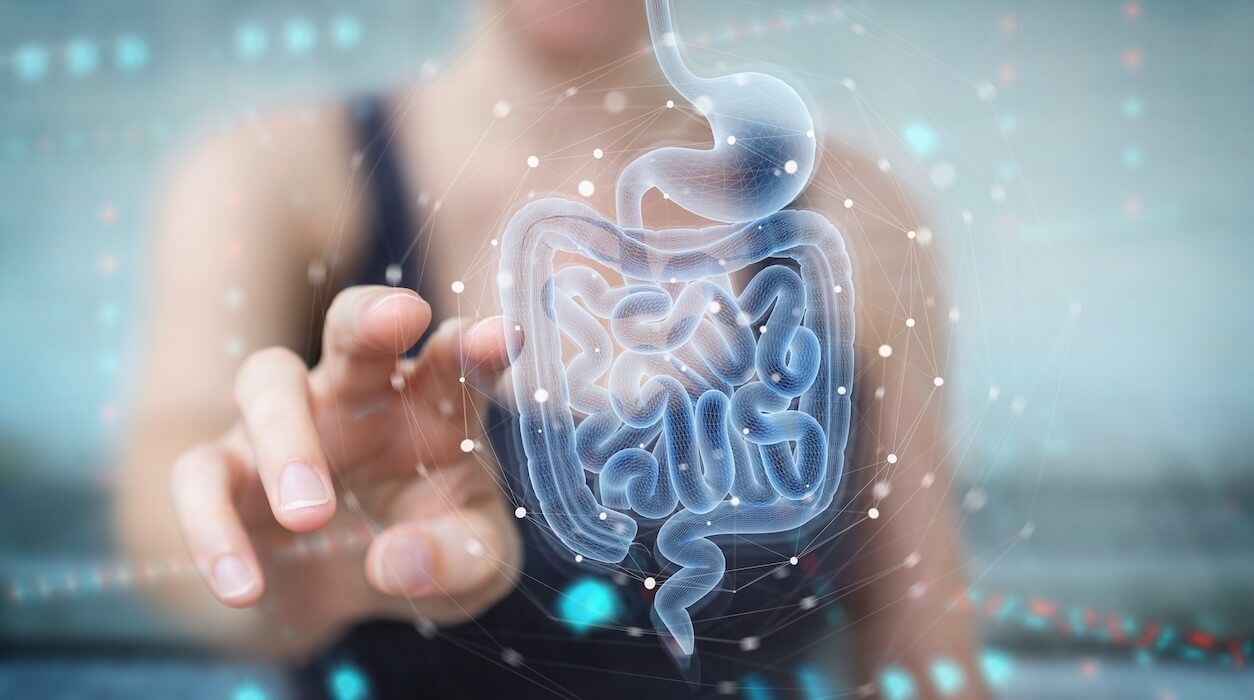
Gut bacteria is a hot topic in science today — and for good reason. Our intestines harbor more than 100 trillion bacteria and other gut microbial cells that influence our metabolism, nutrition, and general health and disease. Investigating a common bacterium in the intestine, Technion researchers have made a discovery that could lead to a better understanding and treatment of inflammatory bowel diseases (IBD) such as colitis and Crohn’s disease. In a process of co-evolution with humans over millions of years, gut bacteria became essential to the proper functioning of our immune system and health, and acquired the ability to…