Something Fresh in the State of Denmark
October 06, 2026

















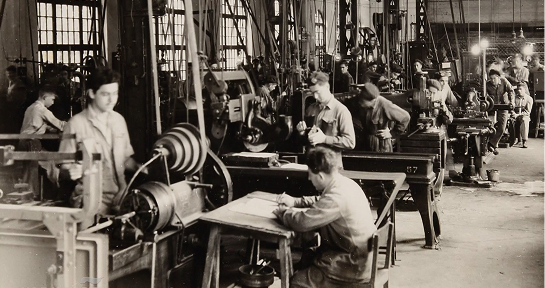
The Technion’s story has been intertwined with Israel’s for more than a century, from laying the foundations for a new nation to shaping its future.

Step inside Israeli innovation at the David and Janet Polak Visitors Center. Experience our 360° immersive movie and tech exhibition. Open to individuals and groups.
Learn More
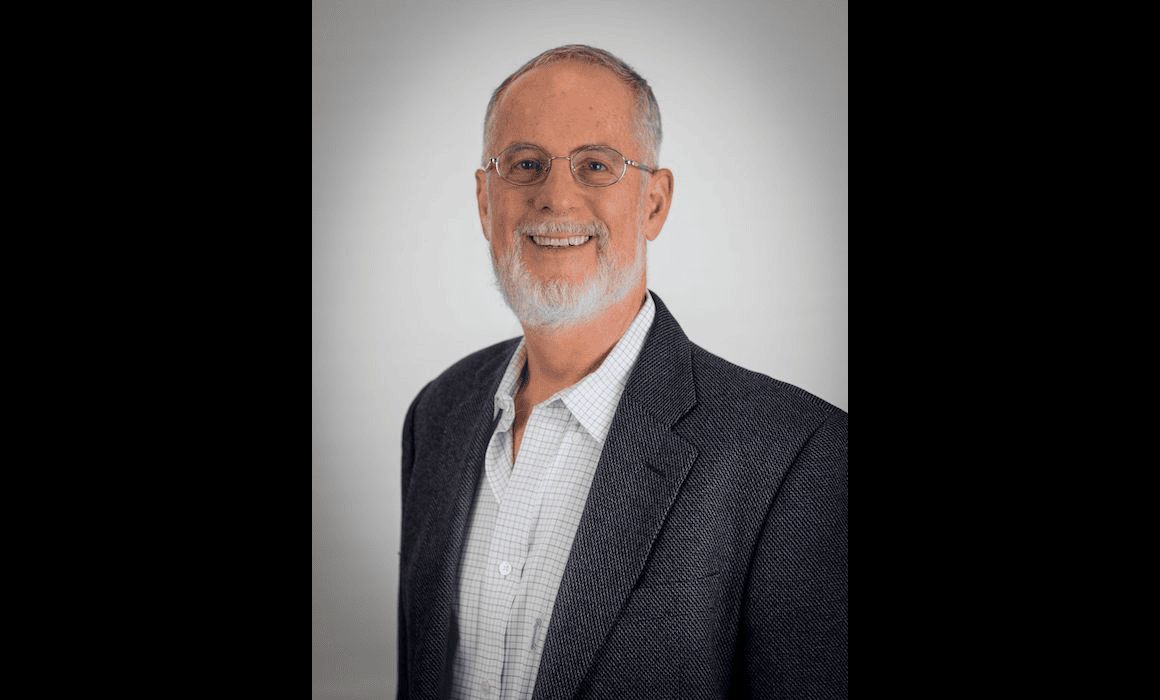
Planned Giving Donor and Alum Gives Back to the University that Helped Shape his Career Yoram Benbarak B.S. ’71, M.S.’73 was an undergraduate student when computer technology was going through a momentous revolution that helped catapult Israel into its famed status as Startup Nation and a leader in innovation. The Technion was on the front lines. Distinguished Technion Professors Jacob Ziv and Abraham Lempel co-created the algorithm that serves as the basis for essential file compression currently used in computers and smartphones to send PDFs, videos, and music over the Internet. “That was a time of great change,” said Yoram,…
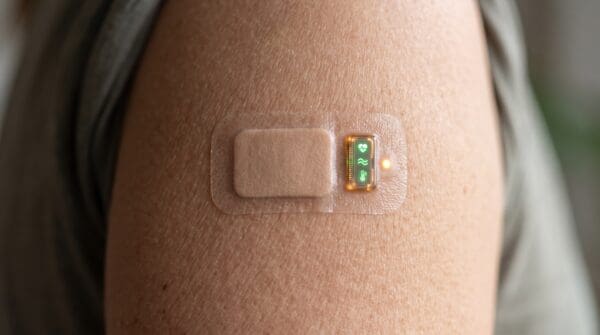
Ziv Yekutieli ’02, M.S.’07 had been working in the high-tech industry for 20 years when he presented to a group of neurologists what he thought was an exciting idea: a chip that could be implanted in patients’ brains to monitor health and disease. But the doctors were not interested. “One of the neurologists told me what they actually need is a better means to use the existing drugs and medical devices,” Yekutieli told Israeli technology news site, CTech. Probing a bit more, Yekutieli also learned that the biggest challenge the doctors faced was getting a comprehensive picture of their patient’s…

Most parents are familiar with the pediatric chart that tracks their child’s height to ensure it is progressing along the expected curve. A child’s place on the chart, coupled with predictions of their future adult height, can determine whether hormonal or other interventions are required. But these future height predictions, based on X-rays of the child’s hand, are not always accurate — and in some cases may adversely impact a child’s treatment. Now, an innovative machine learning technique developed by a team of international researchers can predict height accurately within 1.5 inches. “Predictive algorithms generated by machine learning, which can…

StoreDot, co-founded by a Technion alumnus, recently received an investment from Volvo that could accelerate development of the startup’s fast-charging batteries for electric cars. StoreDot has been working with strategic investors such as BP Ventures, Daimler AG, and Samsung Ventures, but with this latest collaboration, StoreDot expects to get its revolutionary technology into mass production as early as 2024. The investment marks yet another example of Technion graduates collaborating with industry to better our world through breakthrough technology. “We are extremely excited and proud to be entering into a collaboration with a premium automotive brand,” said StoreDot co-founder and CEO…

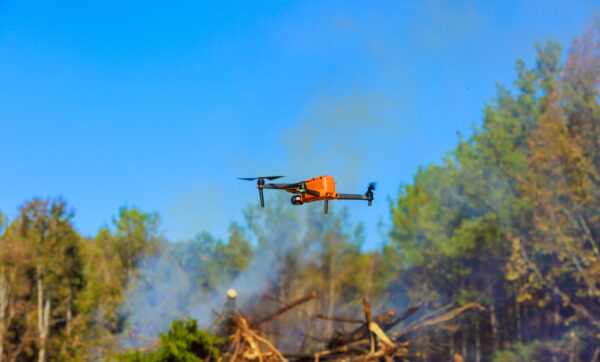
Entrepreneurs come in two breeds, according to Technion alumnus Zohar Halachmi ’96. Those who have technology and are looking for a need, and those, like Halachmi, who have found a need and are developing technology for it. For his latest venture, Halachmi saw the growing safety risk in the proliferation of drones. So in 2016, he co-founded D-Fend Solutions to protect from drones that are launched with an intent to cause harm. His technology detects suspicious drones and takes control of their navigation system while leaving other drones and communication systems in the area untouched. Working to prevent dangerous incidents…
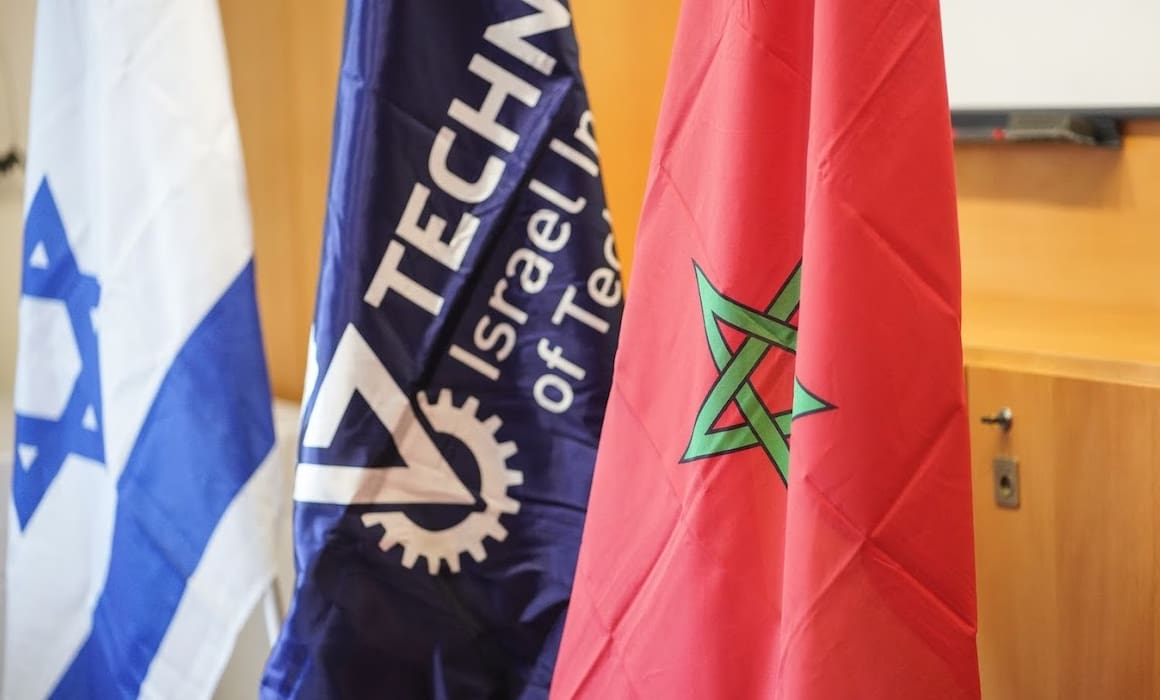
Pictured Above / Israeli and Moroccan State flags, and the Technion flag, during the signing ceremony. In September 2020, Israel, the U.S., the United Arab Emirates, and Bahrain signed the Abraham Accords, normalizing relations between Israel and the two Arab nations. Morocco and Sudan followed suit three months later. Now, the Technion has signed an agreement of academic cooperation with Morocco’s Mohammed VI Polytechnic University (UM6P), “reflecting a rapid and dramatic historical change in the region,” said Technion President Uri Sivan. Speaking at a ceremony on the Technion campus in April attended by UM6P President Hicham El Habti and delegations…
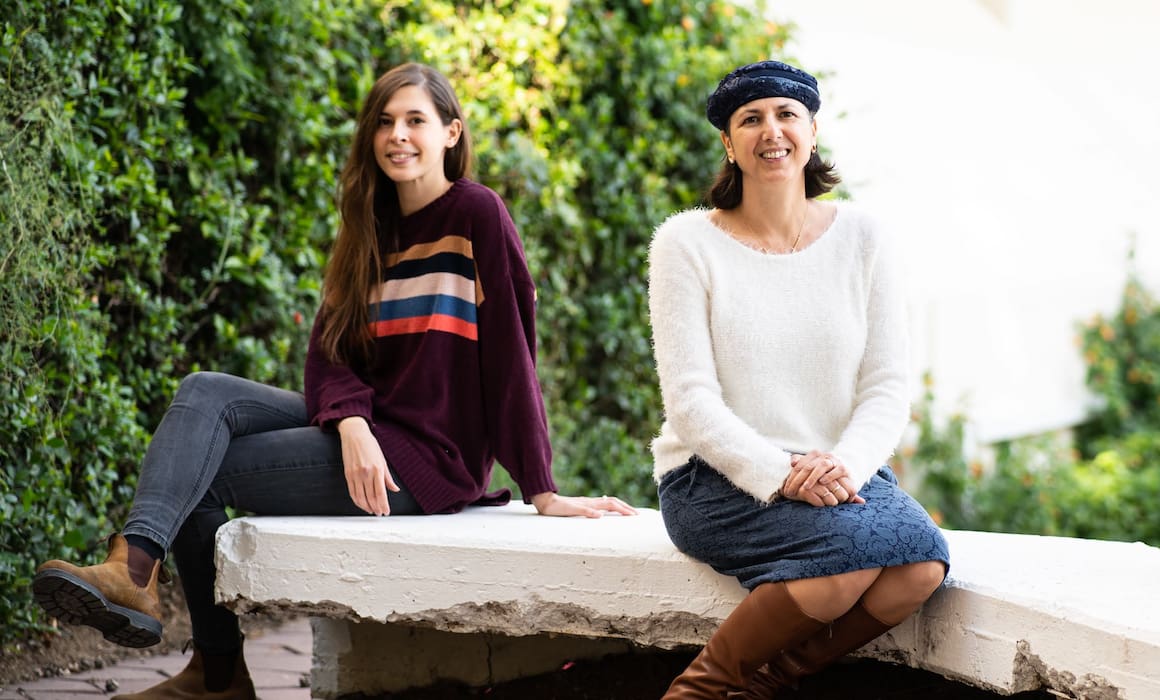
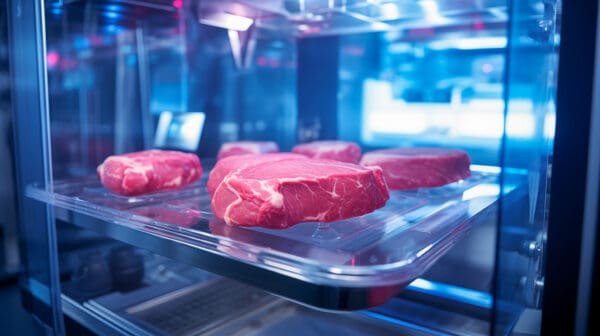
Pictured Above / L to R: Ph.D. student Iris Ianovici and Prof. Shulamit Levenberg. Researchers at the Technion have successfully created edible muscle fibers by bioprinting a plant-based scaffold and living animal cells. The development of cultivated meat — meat that does not involve the raising and slaughtering of animals — is a potential solution for the growing need for meat products following population growth, the environmental damage caused by breeding cattle, and the increasing awareness of animal welfare. To fulfill the promise of cultivated meat to meet various consumer expectations, there is a need for technologies that allow for…
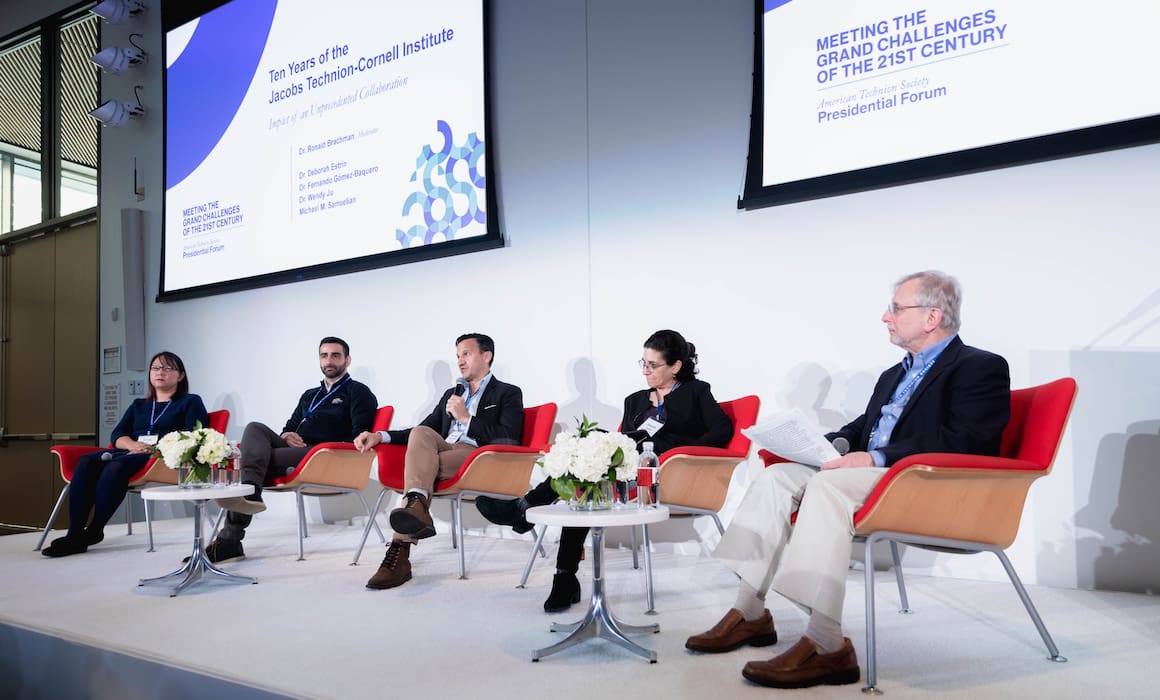
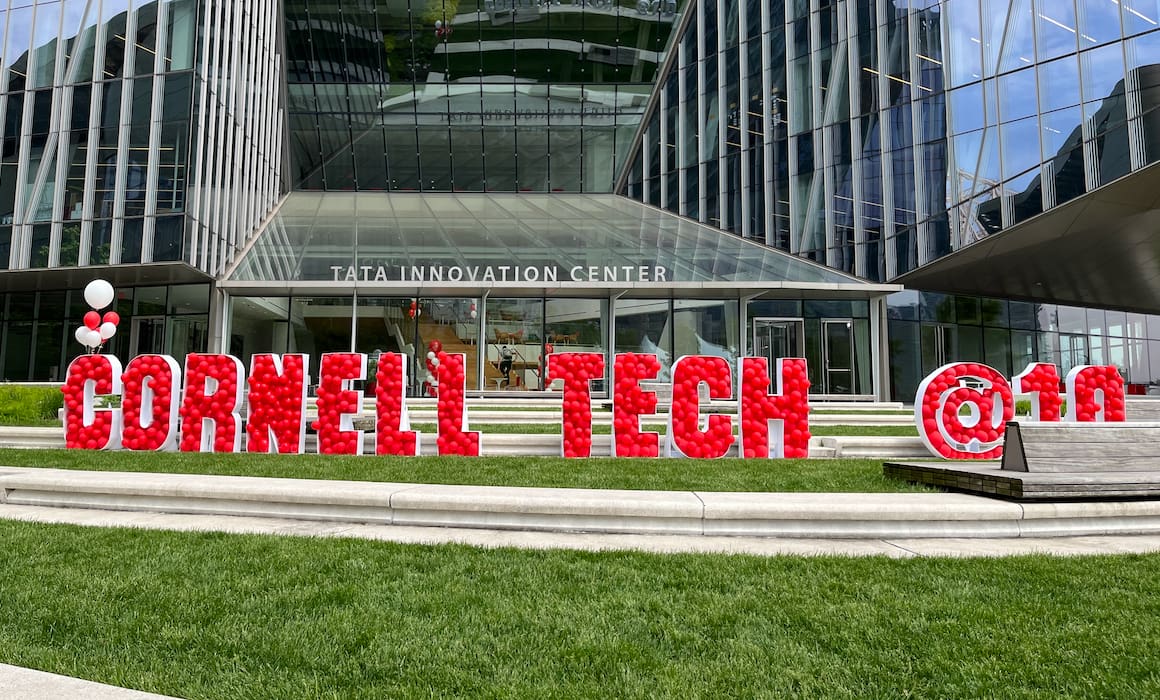
Ten years ago, the Technion joined forces with Cornell University to win a competition initiated by former Mayor Michael Bloomberg to build an applied sciences campus in New York City that would promote entrepreneurship and spur job creation in the tech sector. “We thought there was no chance of winning so we went wild,” proposing […]
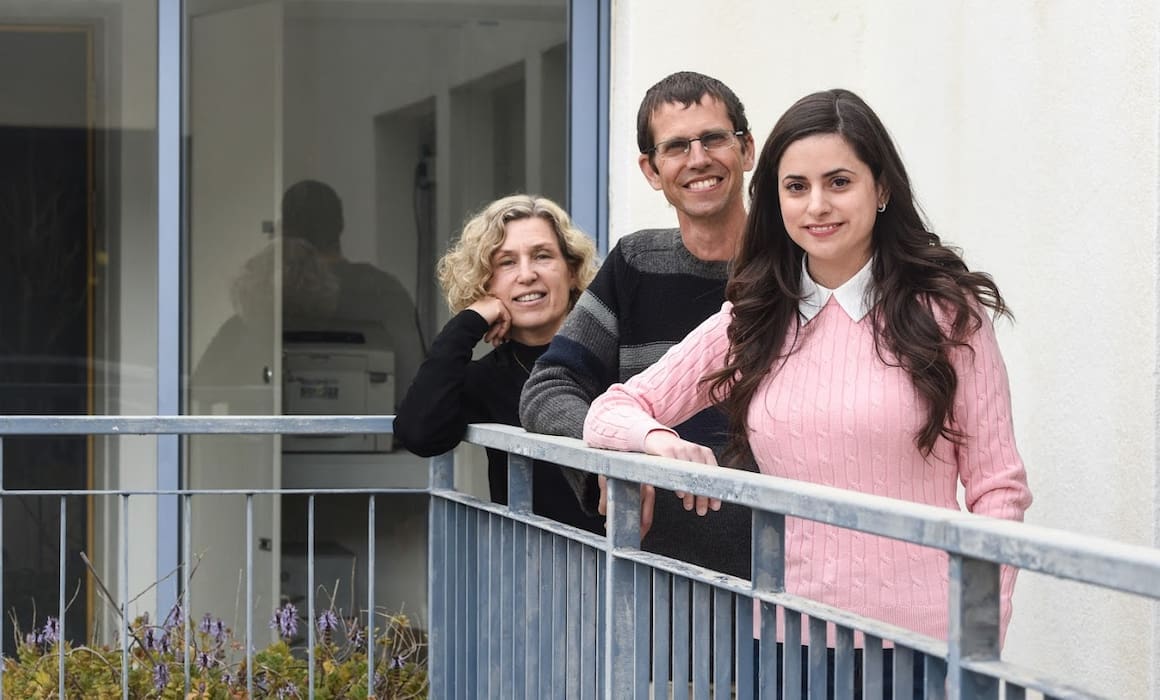
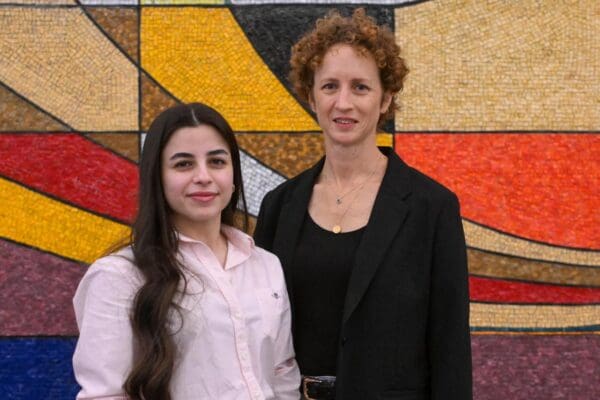
Pictured Above / L to R: Professor Naama Brenner, Professor Omri Barak and Aseel Shomar. In a revolutionary new discovery, Technion researchers Aseel Shomar, Professor Omri Barak, and Professor Naama Brenner propose that cancer cells are able to learn and adapt to changing environments in order to survive. Equipped with this knowledge, researchers are now investigating better ways of treating — and perhaps curing — cancer. It is commonly thought that both drug resistance and the ability to metastasize appear in cancer cells as random mutations. Since such a mutation is advantageous to cancer cells, enabling them to survive in…
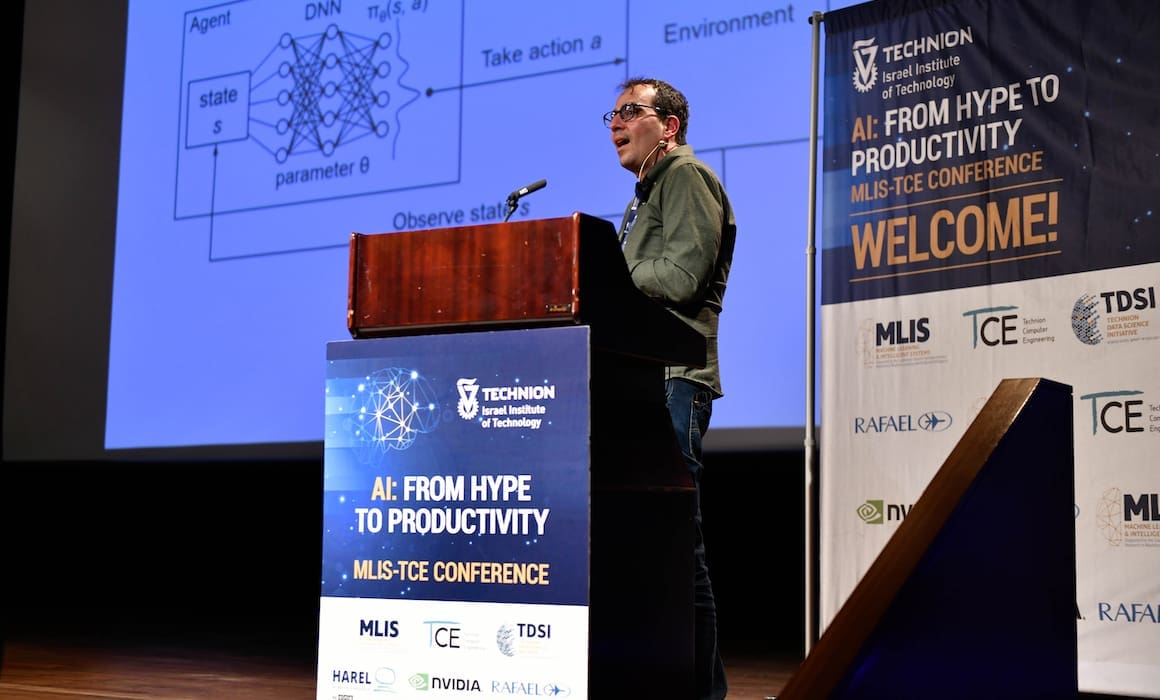
Pictured Above / Professor Assaf Schuster The Technion recently hosted “Artificial Intelligence (AI): From Hype to Productivity,” a conference that included leading figures from the Technion, local AI industry, and the governmental sector. The conference was created by the Machine Learning and Intelligent Systems Center (MLIS), the Technion Center for Computer Engineering (TCE), and the Technion Data Science Institute (TDSI), and led by Professors Assaf Schuster and Shie Mannor, who co-lead MLIS at the Technion. Professor Lihi Manor-Zelnik of the Andrew and Erna Viterbi Faculty of Electrical and Computer Engineering moderated the event. The Technion’s President, Professor Uri Sivan, said…
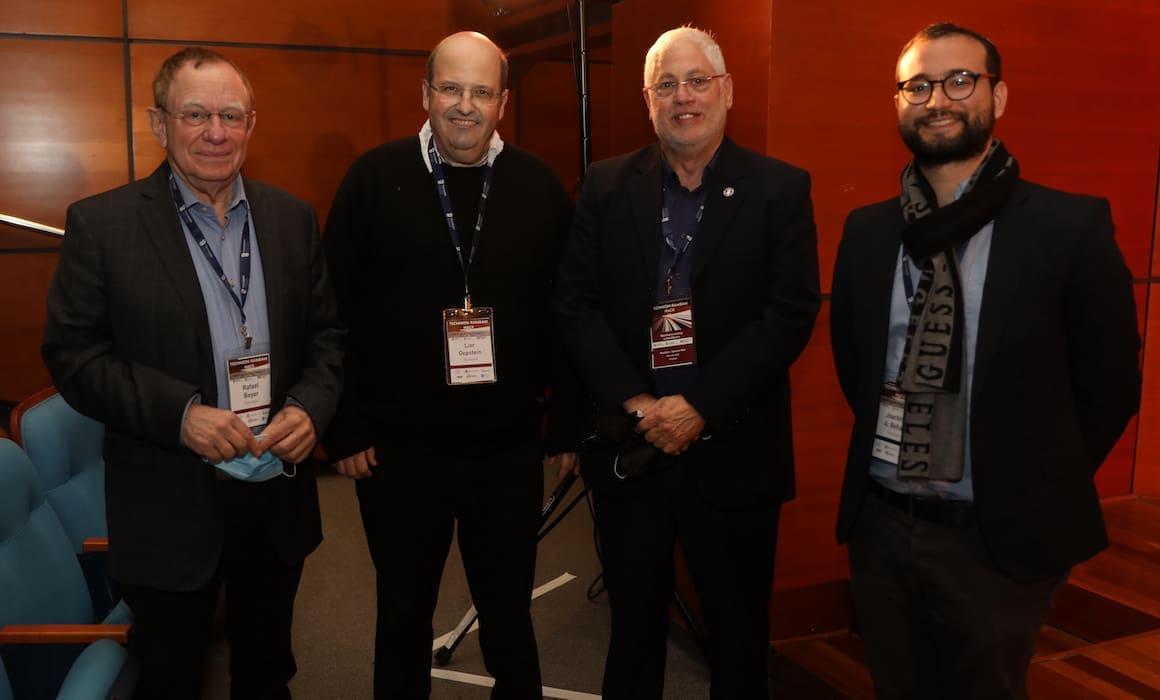
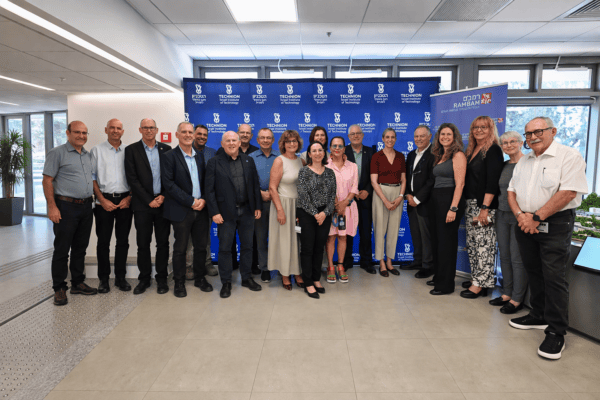
Pictured Above / (L-R) Prof. Rafi Beyar, Prof. Lior Gepstein, Technion President Prof. Uri Sivan, and Dr. Joachim Behar The Technion and Rambam Hospital are setting up a new joint Technion-Rambam Center for Artificial Intelligence in Healthcare (CAIH) that will signal a revolution in medical decision-making. The CAIH, the first joint academic-hospital AI center in Israel and one of the first in the world, will develop advanced artificial intelligence systems to analyze a patient’s condition. The center will focus on developing tools that will help physicians select, in real time, the most appropriate and accurate medical treatment for a patient….
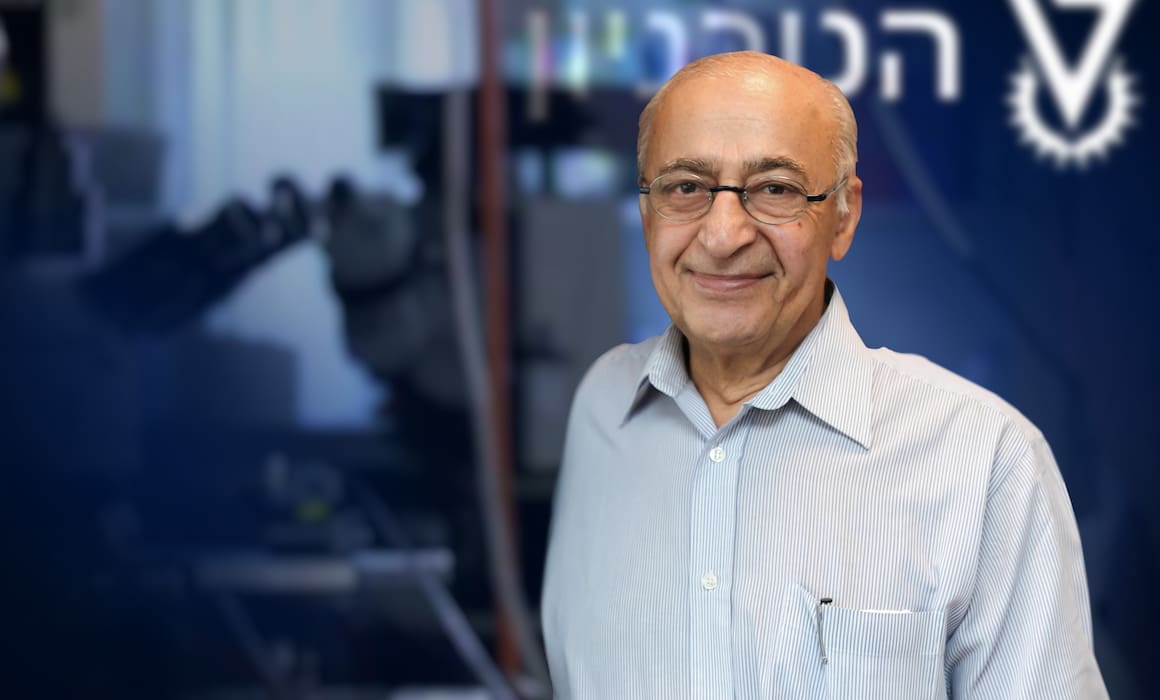
Pictured Above / Moussa Youdim Professor Emeritus Moussa Youdim from the Rappaport Faculty of Medicine at the Technion – Israel Institute of Technology is the recipient of the 2022 Israel Prize for Life Sciences in recognition of his pioneering, groundbreaking scientific achievements in the field of neuropharmacology. The committee noted that Prof. Youdim, “… has placed generations of undergraduates and graduates, many of whom hold key positions, in Israeli academia and in the biotechnology industry. His publications have received wide international acclaim and have won him many awards.” Technion President Professor Uri Sivan said, “It is my honor to congratulate…