Why the Perfect Pitch is Your Biggest Mistake
September 23, 2026












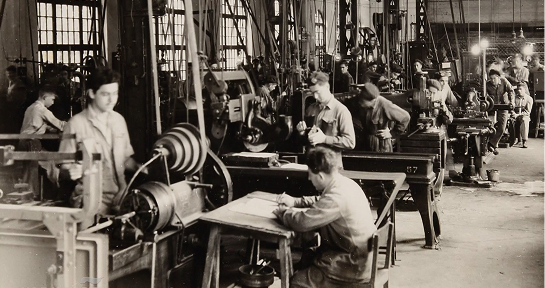
The Technion’s story has been intertwined with Israel’s for more than a century, from laying the foundations for a new nation to shaping its future.
Step inside Israeli innovation at the David and Janet Polak Visitors Center. Experience our 360° immersive movie and tech exhibition. Open to individuals and groups.
Learn More
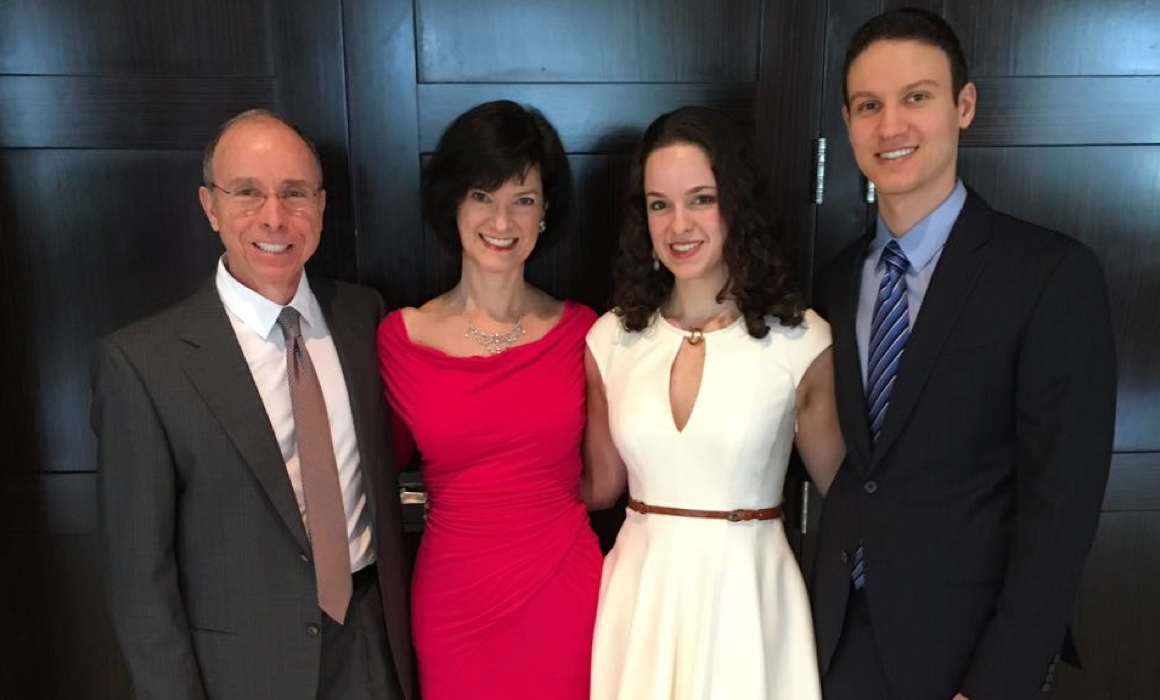
Pictured Above / Melanie with her family (L to R) husband Rene, Melanie, daughter Ilana, and son Alex Many of the important things in Melanie Moreno’s life come in twos. She has two children. She has studied both biology and financial management. Now she’s found a wonderful way to double the impact of a single philanthropic gift — buying Israel Bonds in the name of the American Technion Society (ATS). “It’s a double mitzvah, a win-win,” she said. “I’m investing in Israel by purchasing the bonds and supporting the Technion at the same time.” Israel Bonds were first issued by…
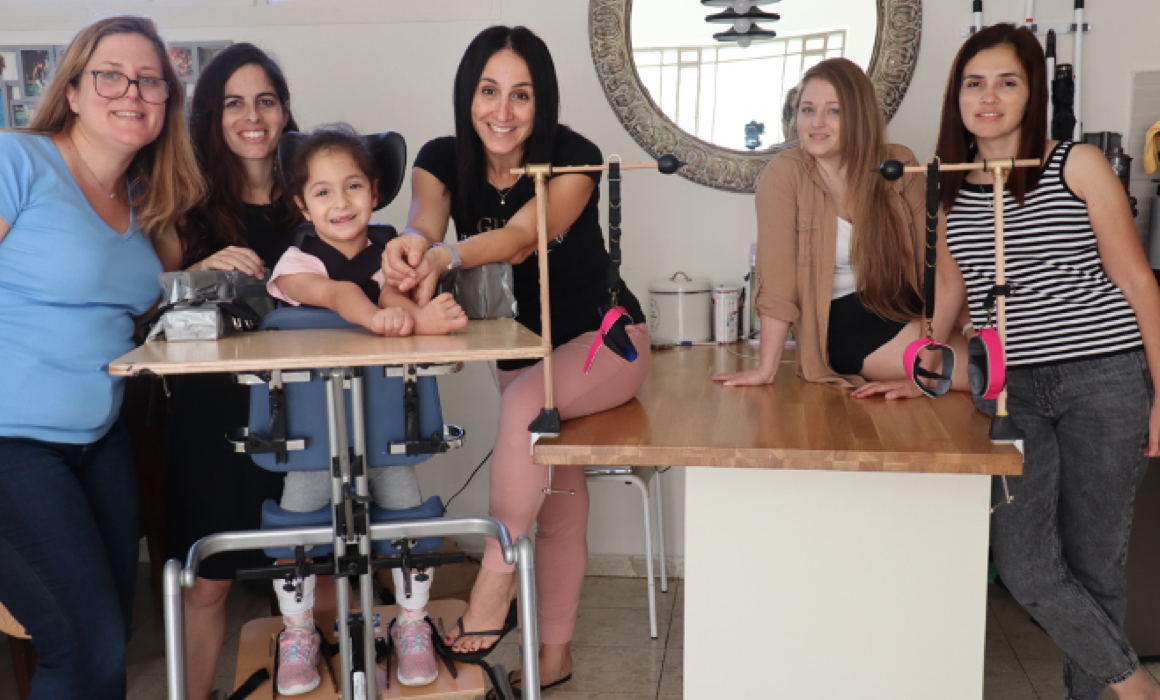
Pictured Above / (Left to right): Hadas Weizman, Sana Gur-Gelbard, Shani Zigman, Orit Zigman, Mor Heinrich, Marina Gabinski Six-year-old Shani has always yearned to draw, but her cerebral palsy has prevented her from lifting her hands independently for tabletop activities. In a heartwarming and inspiring turn of events, four students from the Technion’s Master’s of Industrial Design program teamed up with Shani’s mother to find a solution. They created an award-winning device that enables Shani to draw and eat independently for the first time in her life. “The importance of the device to Shani and the change it has made…
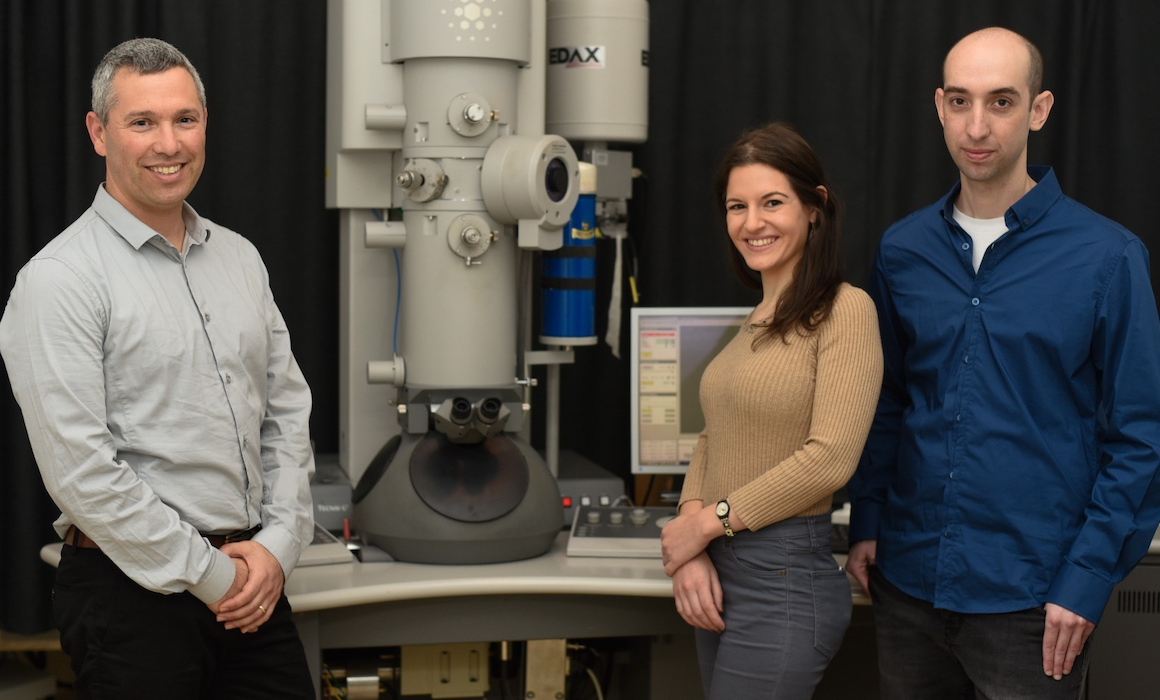
Pictured Above / ( L-R): Professor Yehonadav Bekenstein, Sasha Khalfin, and Noam Veber (Credit : Rami Shelush) What if damaged solar panels or even the cracked screen of your cell phone could heal themselves overnight? Technion scientists have developed self-repairing nanocrystals that might make that scenario a reality. Led by Assistant Professor Yehonadav Bekenstein of the Faculty of Material Sciences and Engineering, the researchers happily stumbled upon the discovery while searching for an environmentally friendly alternative to toxic lead-based perovskites, materials that are commonly used in solar panels. The scientists were using a transmission electron microscope (TEM) to take videos…

The joy of a baby coming into the world is accompanied by anxiety for this helpless little being, completely reliant on outside help to survive. This is magnified for a baby born preterm. Many premature babies with underdeveloped lungs require mechanical ventilation. The more prematurely the baby is born, the longer they will need artificial breathing. Using a 3D model of the babies’ upper airways, the research team of Professor Josué Sznitman, of the Technion Faculty of Biomedical Engineering, discovered that shear forces caused by the air jet from the mechanical ventilator can create stress and inflammation in the airway…
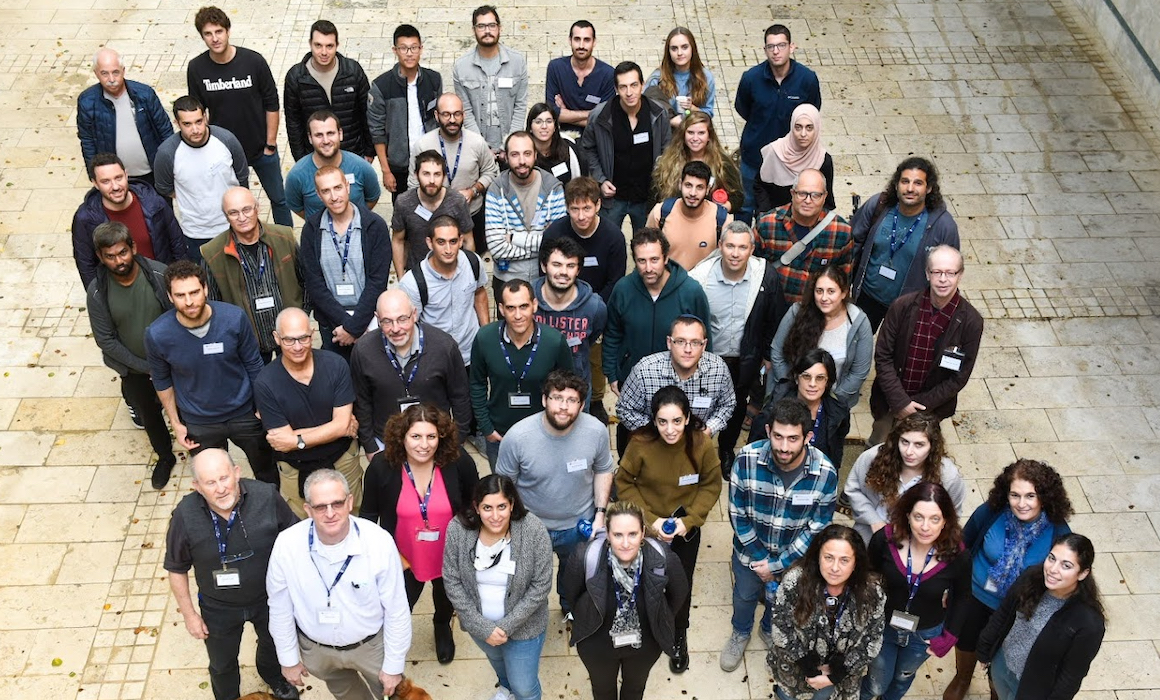
Pictured Above / 2021 GTEP Research Day participants. Every year, the Nancy and Stephen Grand Technion Energy Program (GTEP) invites graduate students to share their research during its Research Day. Prizes were awarded for the most innovative findings. Eliyahu Farber, who developed new methods for the precise production of porous carbon materials, shared the first prize. These porous carbon materials can be used in a variety of applications, including batteries, supercapacitators, and fuel cells. Inbal Offen-Polak also won first prize for research on low cost catalysts for urea oxidation, a useful process with applications in water treatment, hydrogen production, and…

Pictured Above / Technion researchers have developed a new method that harvests an electrical current directly from seaweed in an environmentally friendly and efficient fashion. Technion Ph.D. candidate Yaniv Shlosberg was walking on the beach one day when he noticed a rock covered by seaweed that looked like electrical cords. He had been researching a type of bacteria that obtained energy through photosynthesis and thought that maybe this sun-loving seaweed could also produce electrical currents. Using that common seaweed, called Ulva, as a source of energy, Shlosberg and a team of researchers from the Technion and the Israel Oceanographic and…
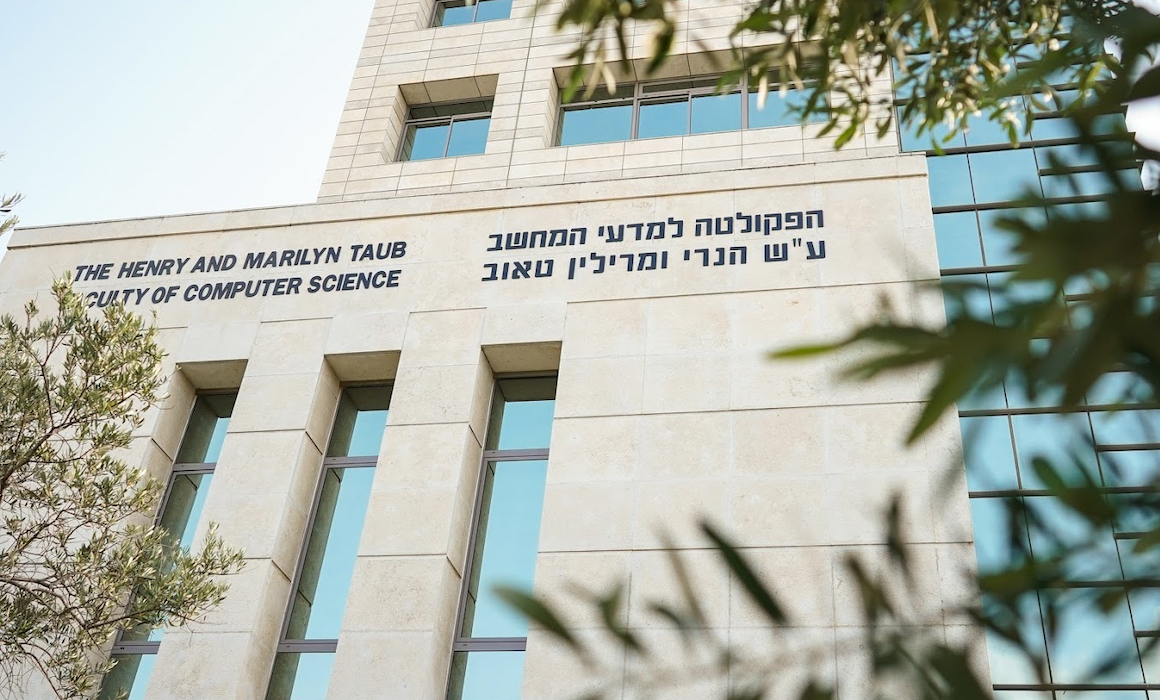
Students from the Henry and Marilyn Taub Faculty of Computer Science at the Technion – Israel Institute of Technology recently developed an app for the Madrasa Project to help people learn Arabic. Madrasa is a free-to-use resource that advocates for better communication in Israeli society through spoken Arabic courses. There are currently more than 100,000 students enrolled in Madrasa courses. Yet until now, the Madrasa Project did not have an app. According to Gilad Sevitt, founder and director of Madrasa, “During our seven years of operations, we have seen the need for people to practice their speaking proficiency while learning,…
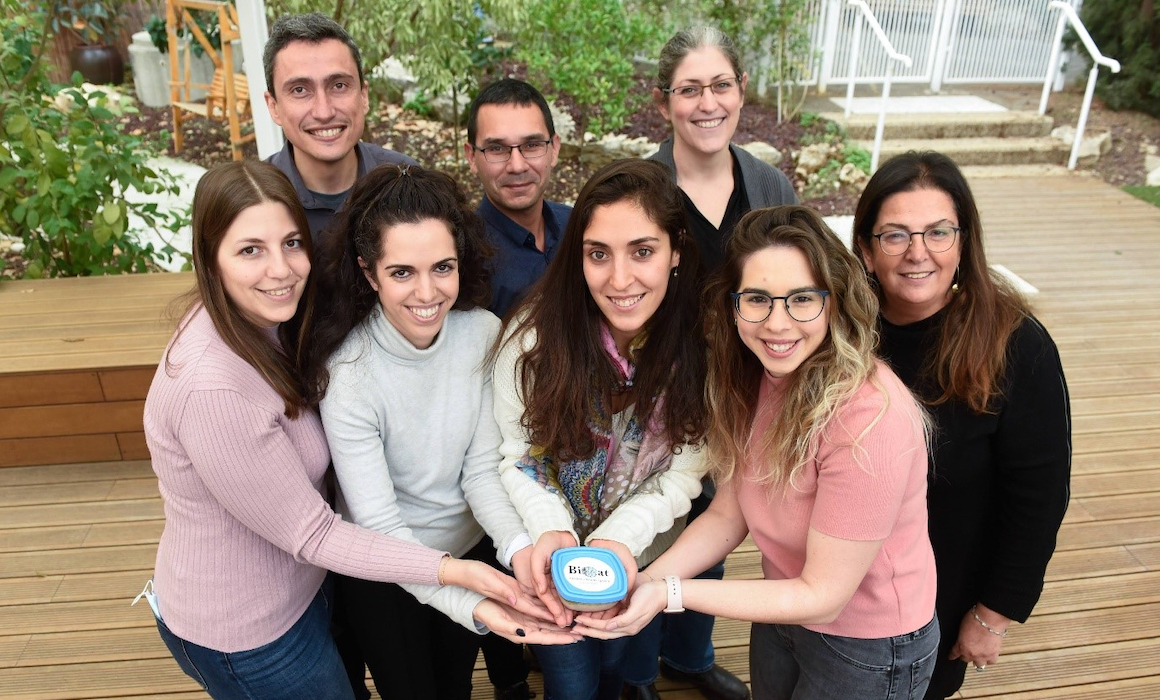
Students of the Faculty of Biotechnology and Food Engineering served up creative and tasty innovations to win top prizes in the European Institute of Innovation & Technology (EIT) Food Solutions Project — the latest in a string of victories in EU-supported competitions. This year’s competition was aimed at finding delicious and sustainable real-world solutions to problems faced by the food industry. The Bioat Group won first place for a challenge presented by Finnish company Myllyn Paras to create an innovative product using an oat-based ingredient. The students developed a vegan “labane” (a cheese-like spread common in Israel) made from fermented…
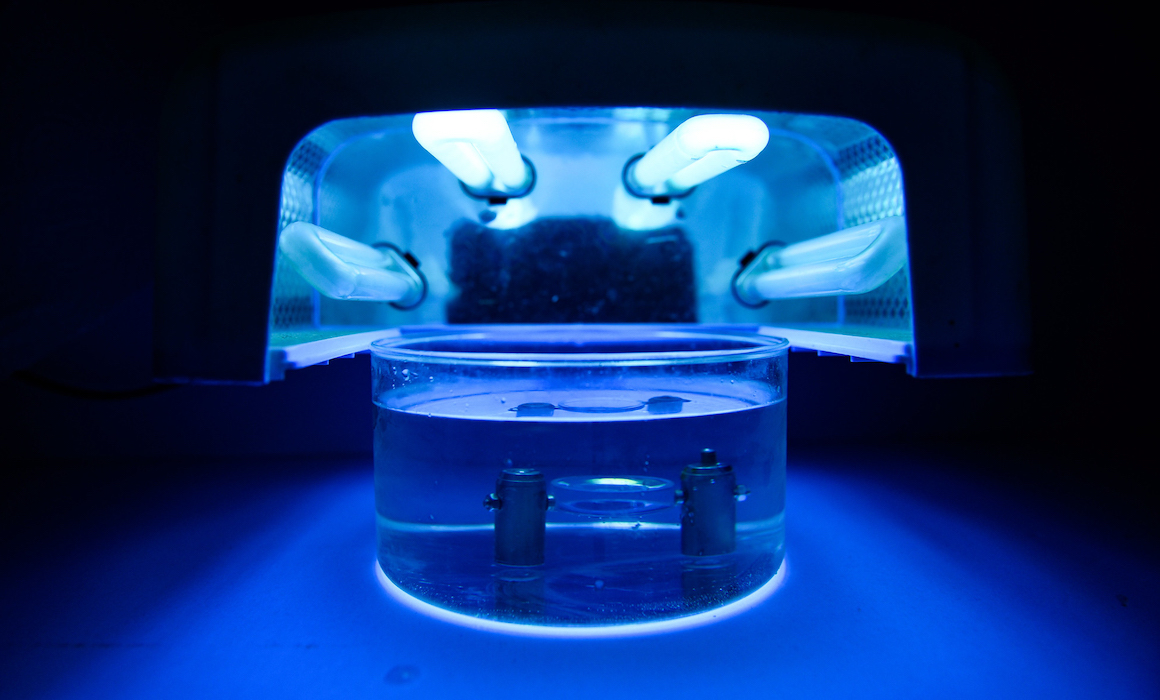
Technion researchers have developed a way to make optical lenses in a cost-effective way. It’s an innovation that could be a gamechanger for 2.5 billion people. It could transform space research. And it all started with a whiteboard and a marker. Although eyeglasses are cheap to make, in many parts of the world, they’re hard to come by. Yet without glasses, children find themselves struggling to follow along in the classroom. Adults lose their jobs because their vision has deteriorated so badly. Faculty of Mechanical Engineering members Professor Moran Bercovici and Dr. Valeri Frumkin became obsessed with this problem. How…
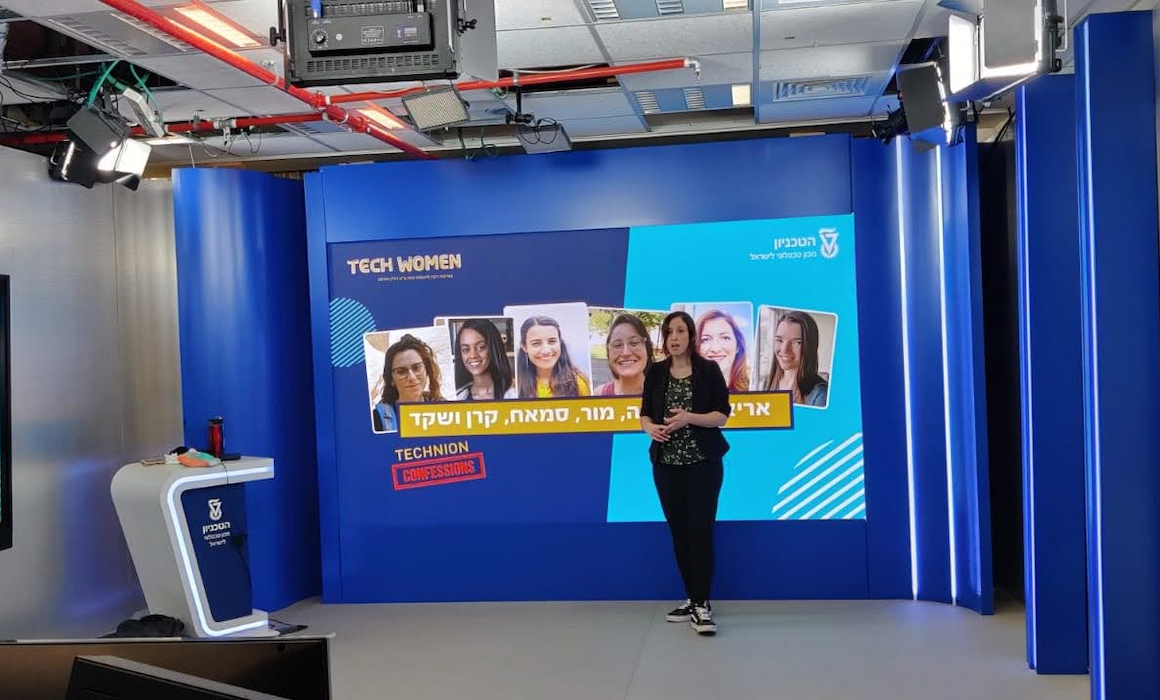
Pictured Above / Astrophysicist Dr. Efrat Sabach served as the host for TechWomen2021 1,000 outstanding female high school students from all over Israel participated in TechWomen2021, an event to encourage them to continue, and invest in, their studies in math and science. The event, now in its seventh year, took place online and was broadcast from the Technion’s studio to dozens of classrooms across the country. TechWomen events are held thanks to the generous support of the Rosalyn August Girls Empowerment Mission (GEM). As a girl, August wanted to run the family business, but her father told her that business…

Pictured Above / BizTEC 2021 winners Team Defi (L to R): Prof. Ezri Tarazi , Ravit Abel, Idan Shenfeld, Alon Gilad, Yaron Arbel, Eyal Kellner, and Ohad Yaniv The Defi team, established by Technion students, won first prize and $10,000 in the BizTEC 2021 entrepreneurship competition, which took place in Tel Aviv. The prize was awarded to the team members for the development of a compact portable defibrillator, which is inexpensive and easy to use. Two teams took second place: BrainSense, which developed a system that monitors stroke events by identifying changes in brain activity and whose members are Technion…

Pictured Above / Dr. Shira Landau Researchers at the Technion – Israel Institute of Technology and Sheba Medical Center have developed a technology that can efficiently make custom-made functional aesthetic implants for patients with microtia, or congenitally deformed ears. Microtia is a birth defect that occurs when the external ear fails to develop normally, and as a result, is small and improperly formed. Microtia occurs in 0.1 to 0.3 percent of births. Occasionally, besides the aesthetic issue, microtia also involves hearing loss. Since the “bones” of the outer ear — the auricle — are in fact flexible cartilage and not…