
How a Former Israeli Diplomat Tells the Technion’s Story
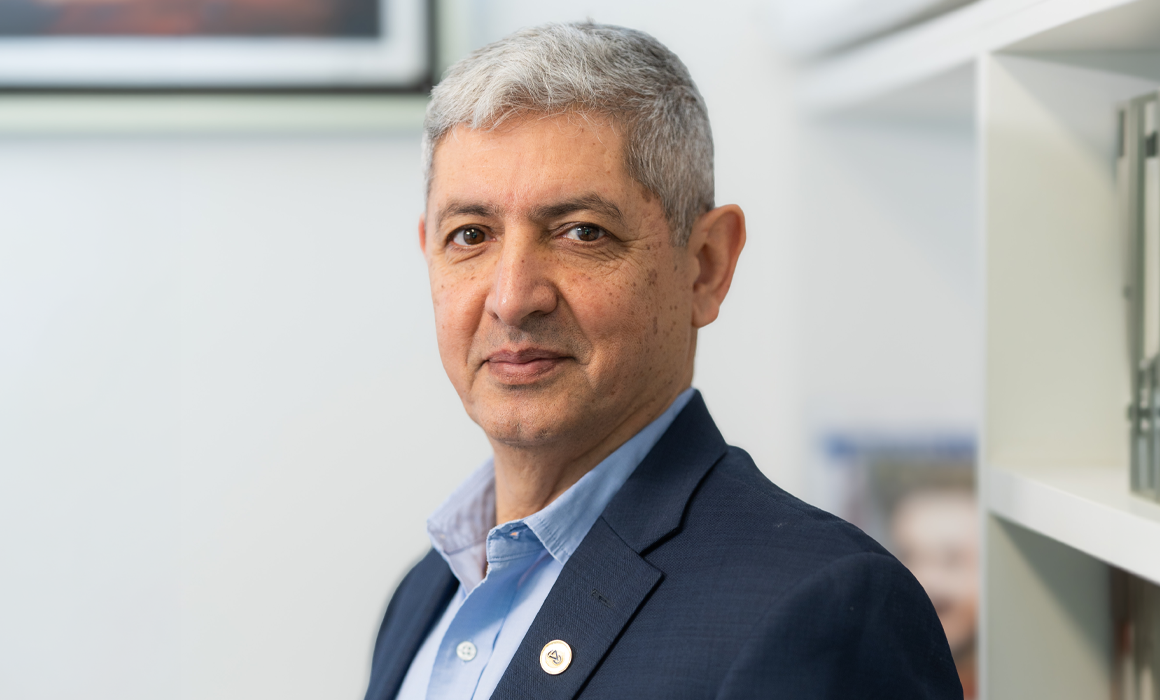
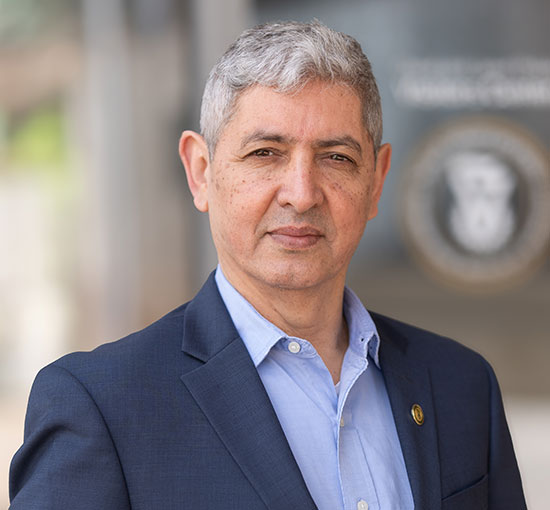
Outside of Israel, headlines rarely portray the country in a positive light. Ambassador Reda Mansour — the Technion’s new senior director of global resource management and a decorated diplomat, poet, historian, and member of Israel’s Druze community — is committed to changing that narrative.
Dr. Mansour has spent his career sharing positive stories about Israel, particularly the models it provides of peace, coexistence, and minority integration. He advanced this mission through his 35-year diplomatic career.
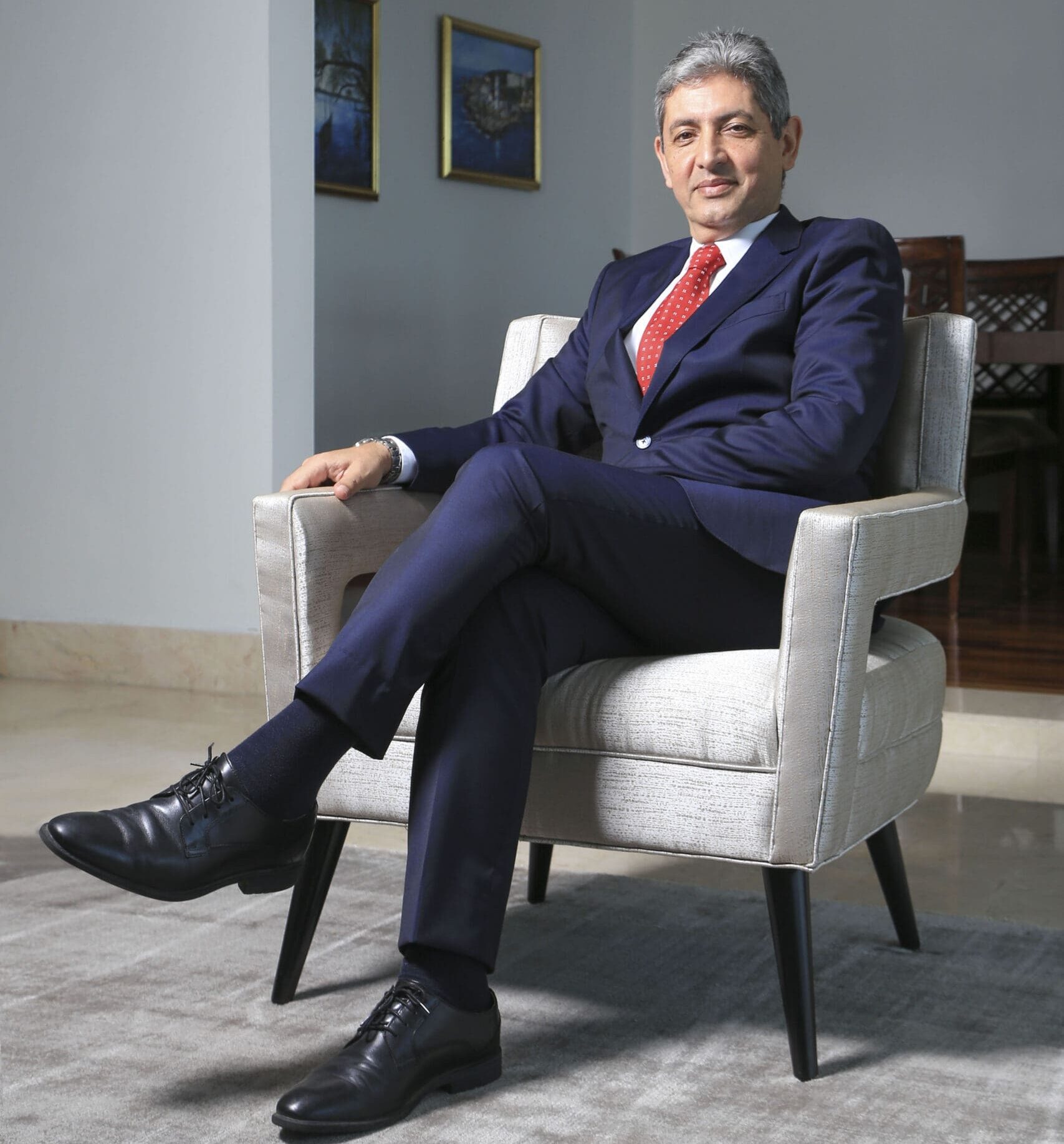
Ambassador Reda Mansour
Fluent in five languages, he was both the youngest ambassador and the first non-Jewish individual appointed as an Israeli diplomat. His career included postings as Israel’s ambassador to Ecuador, Brazil, and Panama, and as consul general in San Francisco and Atlanta, among other roles.
The people he met throughout his diplomatic career sometimes had trouble reconciling his presence with their preconceptions of Israel. “You have to explain to people that we have minorities in Israel who are integrated in the life of the country,” he said. “It’s something that for many people is very surprising.”
He spoke to them proudly about how Israel is home to a multitude of ethnic and religious groups — with a population that is roughly 20% Arab — and how many minorities are integrated into the larger culture, attend top universities, and enjoy distinguished careers.
“I felt that we, as Druze Israelis, have a very special story to tell because we are a very integrated minority,” he said.
Born and raised in a Druze village on Mount Carmel, Mansour is part of an ancient religious community spread across the Middle East that comprises just 1.5% of Israel’s population. He describes the relationship between the Druze people and Israel as one of mutual respect and loyalty.
Israel was the first country in the Middle East to recognize the Druze as an independent religious community, and when Druze in Syria suffered violent persecution, Israel leveraged its military strength to intervene. As an expression of their allegiance to Israel, Druze serve bravely in the Israel Defense Forces (IDF) and are well-represented in combat roles. As a former IDF soldier himself, Mansour served in the Golan Heights, where he was on constant alert for Syrian invasion.
He likens his current position at the Technion to being a global ambassador for the University. He represents Israel and the Technion in communities around the globe and is building relationships with the Technion’s 17 societies worldwide — not only by sharing his own story, but also by describing life on the Technion’s campus.
“One of the most amazing things you see is Muslim Arab girls walking around in head covers, and by them, you see a group of religious Jews. On the other side of the pavement, you’ll see a reservist in an IDF uniform who just came back from the front. You’ll hear several languages: Hebrew and Arabic, but also English, French, and Portuguese. All of these students are studying together in peace.”
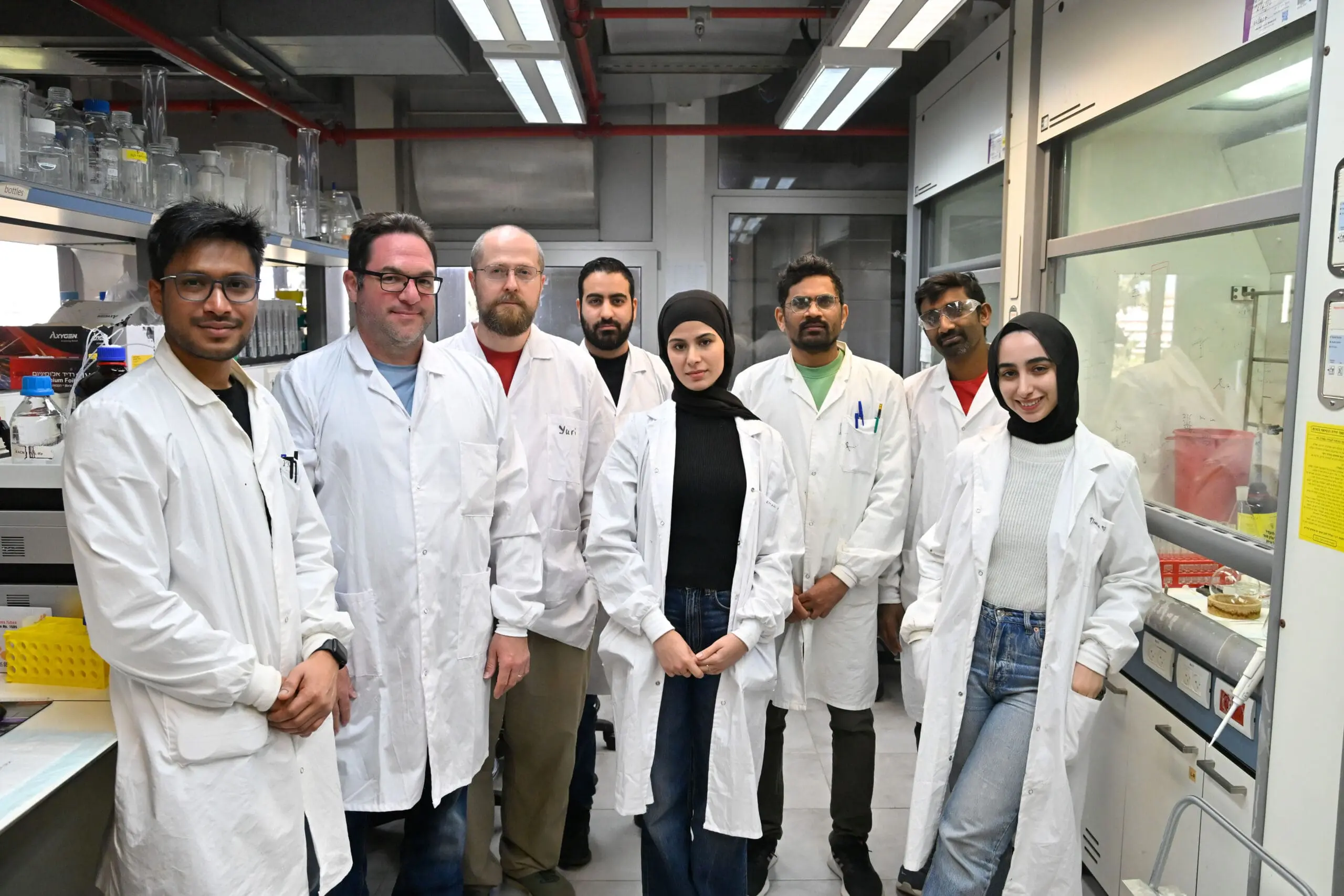
Diverse group of Technion researchers working together in a lab
Indeed, the Technion is a true microcosm of Israeli society. Over 43% of students are women, and there are eight female deans. The Arab sector is well-represented at 20% of the student body, commensurate with the population of Israel. This diversity is deeply intentional: The Technion has special programs to support women in tech, the ultra-Orthodox community, and Arab students.
At a moment of heightened conflict in the Middle East, Mansour believes the Technion provides an inspiring model of what is possible.
The Technion is proving that we can live together, study together, innovate together, and find a solution to global challenges together. It’s a powerful statement that shows the promising future we will have one day in the rest of the Middle East.”
Reda Mansour, Senior Director of Global Resource Management at the Technion
Ambassador Reda Mansour is an accomplished author whose work spans several published collections of Hebrew poetry and the 2024 book “We Who Shape Nations: Diplomacy in the Modern Age,” an incisive exploration of diplomacy and the human stories that drive international relations. He holds a Ph.D. in Middle Eastern history from the University of Haifa. To learn more about him, visit ats.org/mansour.