Our Planet’s Future
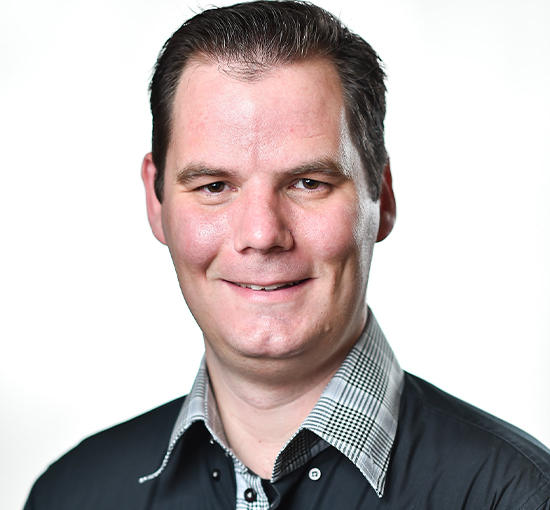
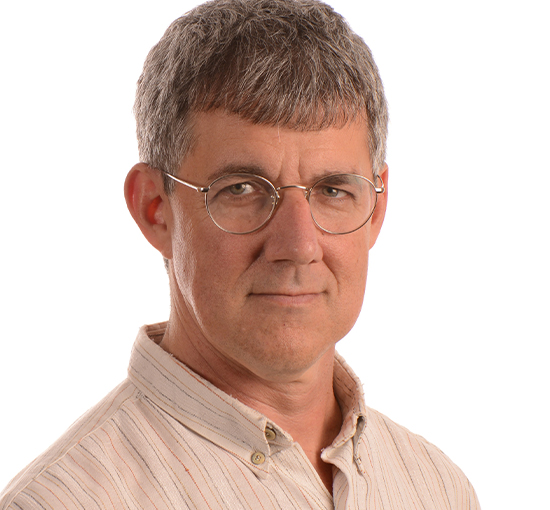
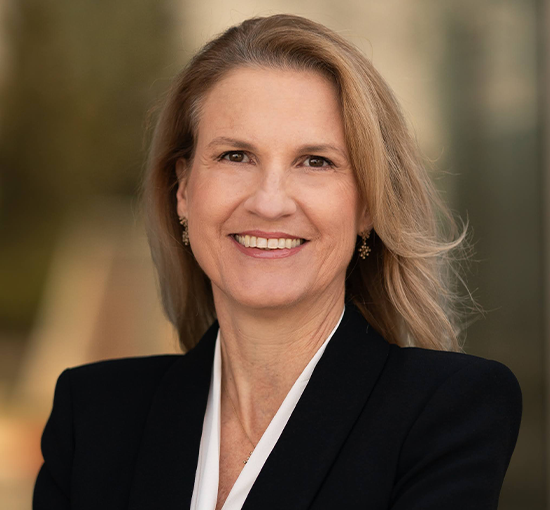
Featuring Professors Graham de Ruiter, Daniel Orenstein, and Ester Segal
Our planet’s natural resources will become more strained in the coming decades, and the Technion is hard at work to address the crisis. In this discussion, learn about the wide range of solutions to build a more sustainable world: From 3D-printed steak to studying the interaction of Haifa’s residents and wild boars, Technion scientists are looking out for our future.
Assistant Professor Graham de Ruiter shares research that will revolutionize industrial processes in the food, energy, and health care sectors by using naturally abundant metals. Socio-ecologist Associate Professor Daniel Orenstein discusses the Technion’s efforts to create a sustainable campus, as well as one of his favorite projects — an exploration of the interaction of Haifa’s residents and the wild boars that roam the city’s neighborhoods. And Professor Ester Segal discusses the Department of Biotechnology and Food Engineering efforts to develop technological solutions for minimizing food losses and devising healthy alternative protein, both aimed at tackling looming food shortages.
Experience this opportunity to hear from some of the best minds working to secure our future. With their multidisciplinary approach, the researchers at the Technion are poised to solve the 21st century’s greatest sustainability challenges.
This event was moderated by David Kaufman, Director of Global Strategies at Nixon Peabody, ATS – Bay Area Board Member, and member of the San Francisco-Haifa Sister City Committee. Bob Tandler, Chair of the San Francisco-Haifa Sister City Committee, gave introductory remarks. The partnership between San Francisco and Haifa became official in 1973. These two coastal cities have much in common as eco-conscious hubs of tech innovation, business, and culture.
Hosted in collaboration with