
Printing Human Tissue: A Breakthrough in Regenerative Medicine
A human ear, engineered and printed in a laboratory, may sound like science fiction — but at the Technion, it is already becoming reality.
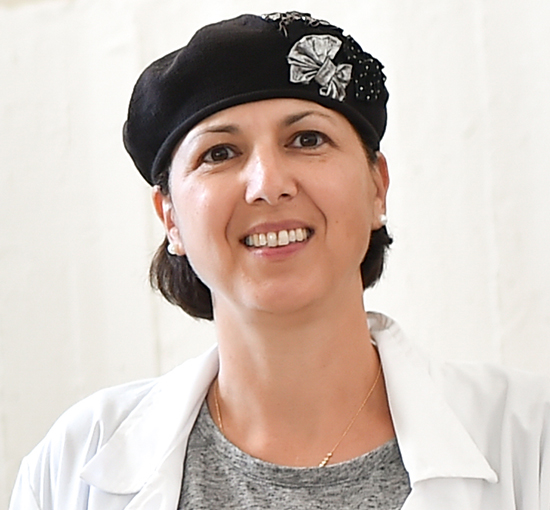
Prof. Shulamit Levenberg, a member of the Faculty of Biomedical Engineering at the Technion, has successfully developed a method to bioprint cartilage structures designed to replace undeveloped ears. Her work represents a major step forward in the rapidly evolving field of tissue engineering.
“The tools given by biological printing have changed the field,” said Prof. Levenberg.
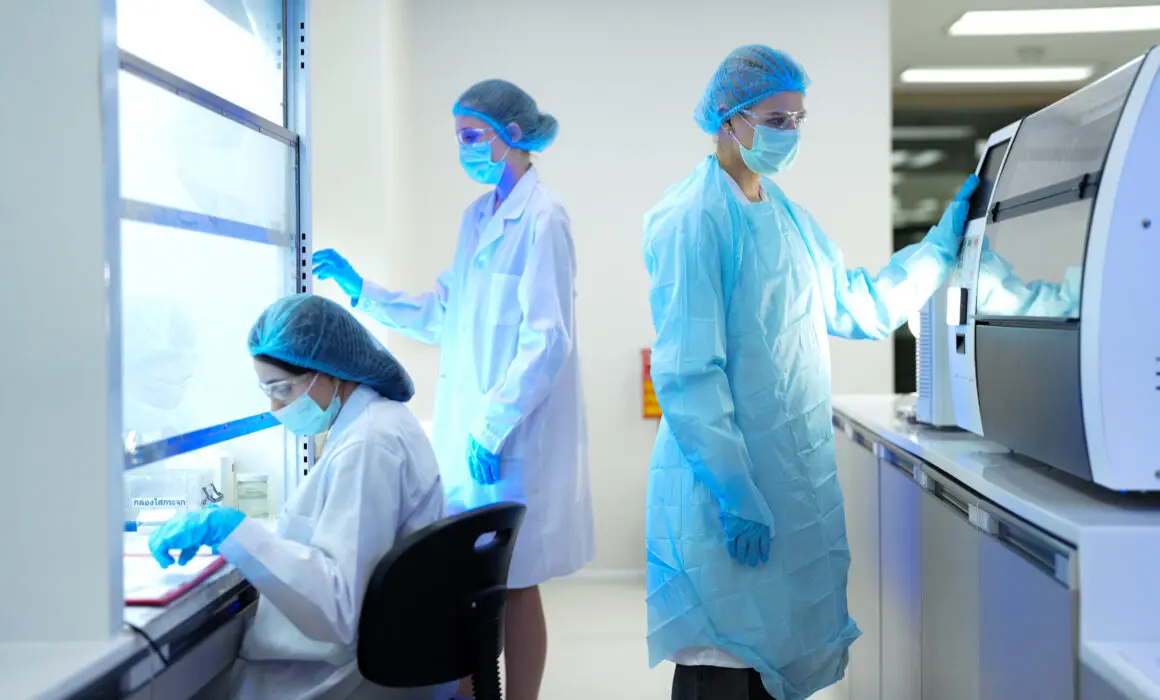
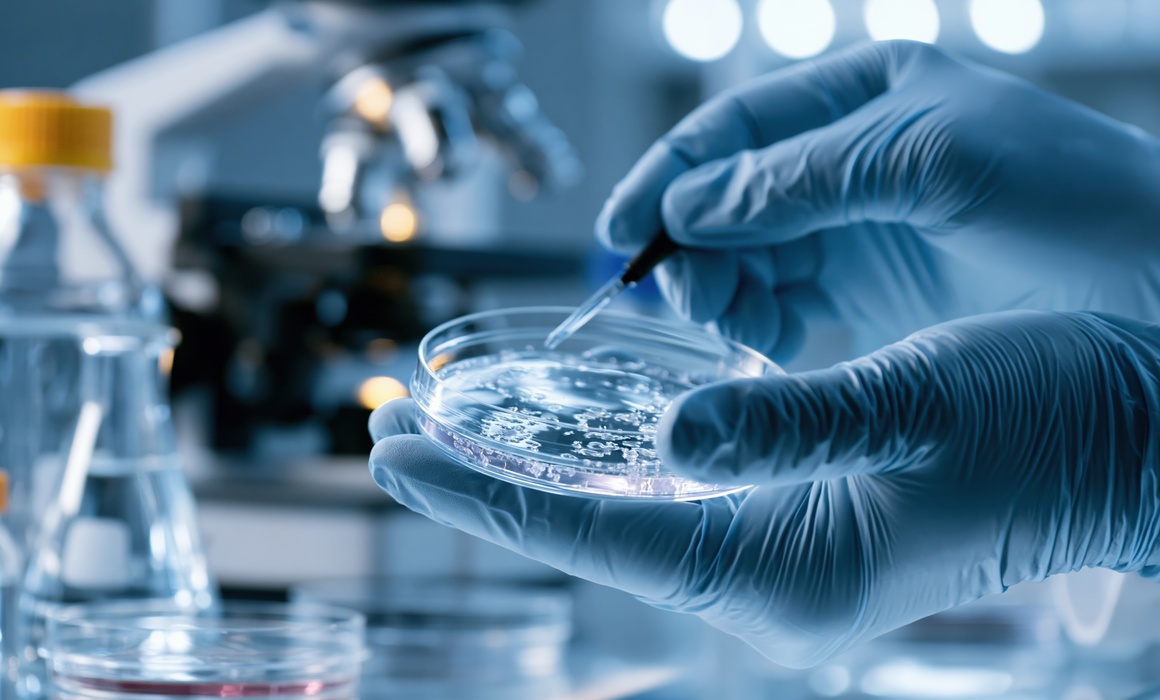
Prof. Levenberg’s method begins in the laboratory. She creates a 3D substrate using a biological substance such as collagen or a synthetic, biocompatible alternative, then combines it with cartilage cells from the patient. Once implanted in the body, the substrate dissolves over time, and eventually only the cartilage remains. She leverages the variety of biological printers in the Technion’s Bio-Print Center to print not only the 3D structure of this matrix, but also the cells within it.
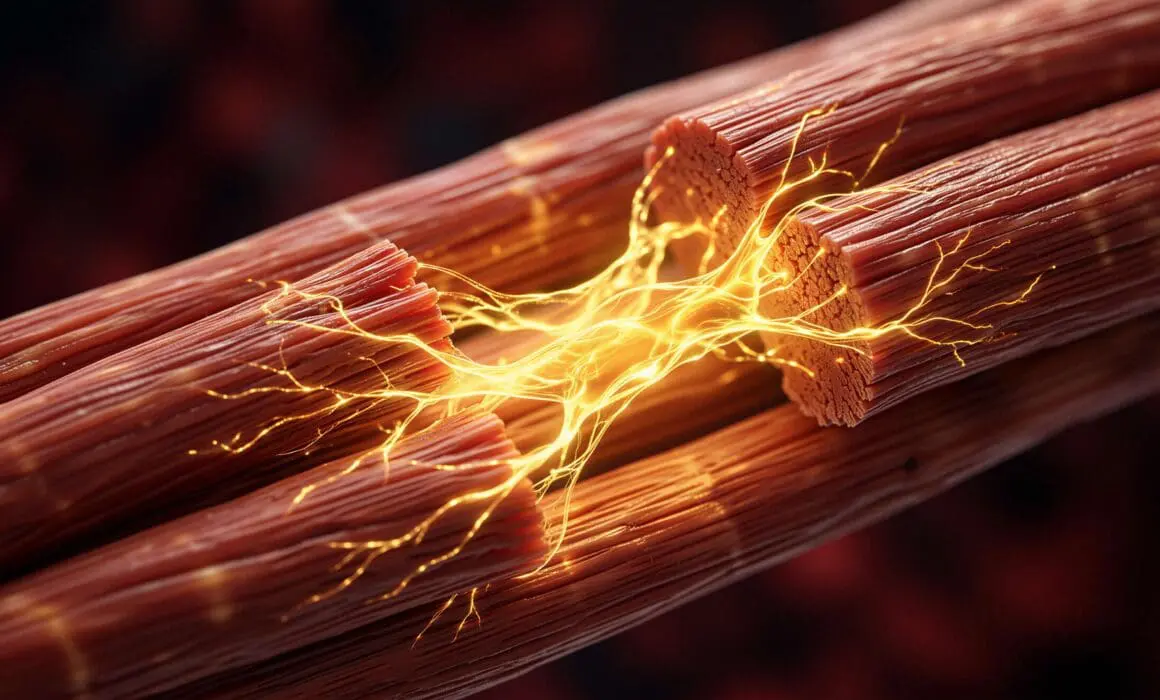
This breakthrough builds on Prof. Levenberg’s previous achievements. As a postdoctoral fellow at MIT, she reached a significant milestone with her adviser, Prof. Robert Langer: they created functioning muscle tissue from embryonic stem cells and successfully implanted the tissue in mice.
Such achievements require both creativity and persistence. The greatest challenge, she explains, is finding a way to integrate implanted tissue with blood vessels so that the tissue receives oxygen and nutrients.
“It’s not enough to know how to produce muscle or fat or bone tissue, but we must have it combined with the blood vessels,” she said.
She describes this work as a “mission,” driven by its potential to improve quality of life for patients whose tissues have been damaged by cancer, injury, or war. Today, parts are taken from other places in the body in an invasive, painful, and sometimes disfiguring process. As scientists advance their ability to produce tissues in the laboratory — or the print center — patients’ suffering will be reduced.
Prof. Levenberg’s ambitious research program, which extends far beyond a single tissue or organ, moves us closer to producing fully functional, implantable human tissues.
“We’ve also shown that we can produce and print multi-layered tissue that has both fat and muscle,” she said. “Until now, we have demonstrated this in small and large animals, and the aspiration is to advance and engineer blood vessels with large tissues, which we can print and grow in the laboratory even for humans.”