Something Fresh in the State of Denmark
October 06, 2026
















The Technion’s story has been intertwined with Israel’s for more than a century, from laying the foundations for a new nation to shaping its future.

Step inside Israeli innovation at the David and Janet Polak Visitors Center. Experience our 360° immersive movie and tech exhibition. Open to individuals and groups.
Learn More
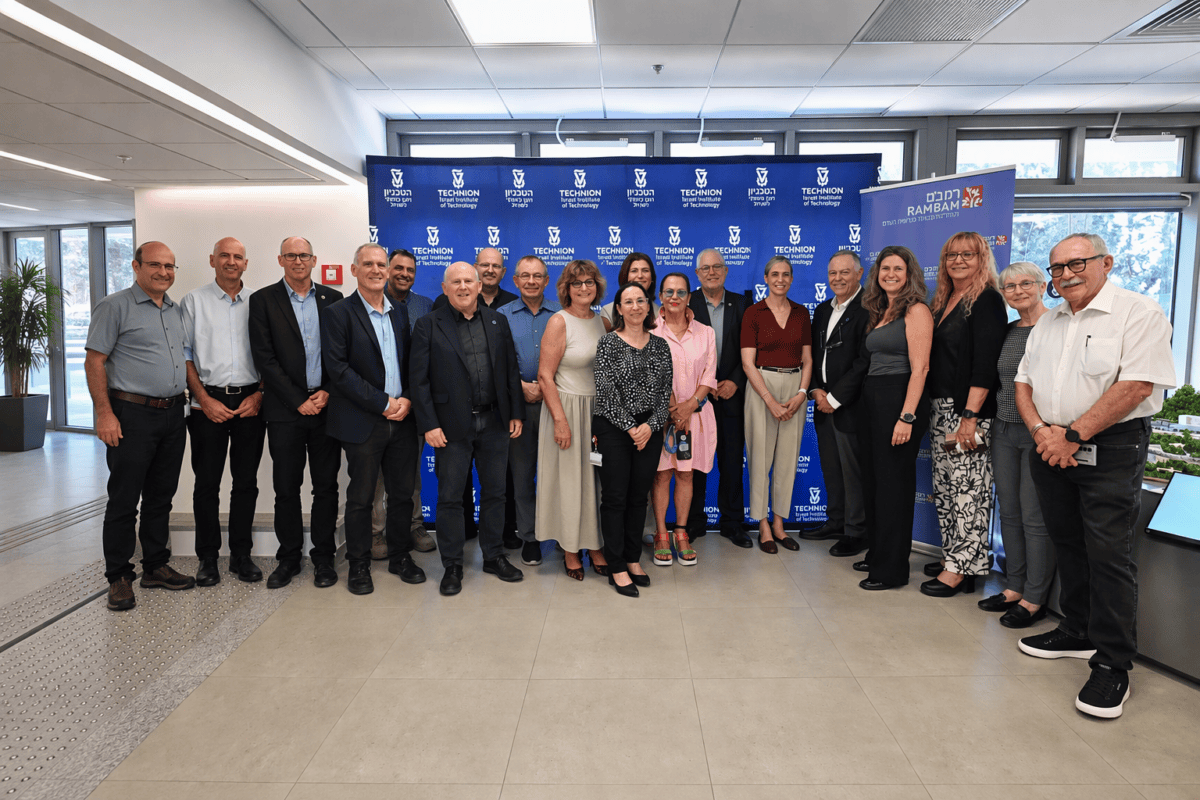
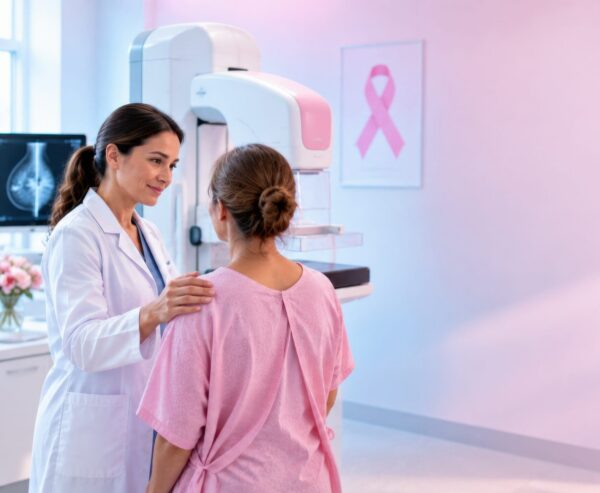
Bringing these diverse fields together under one roof is intended to shorten the journey from discovery to application, creating an environment where medical needs can spark new research and promising innovations can move more quickly toward the patients who need them. “The combination of a research hospital and a technological university provides the entire value […]
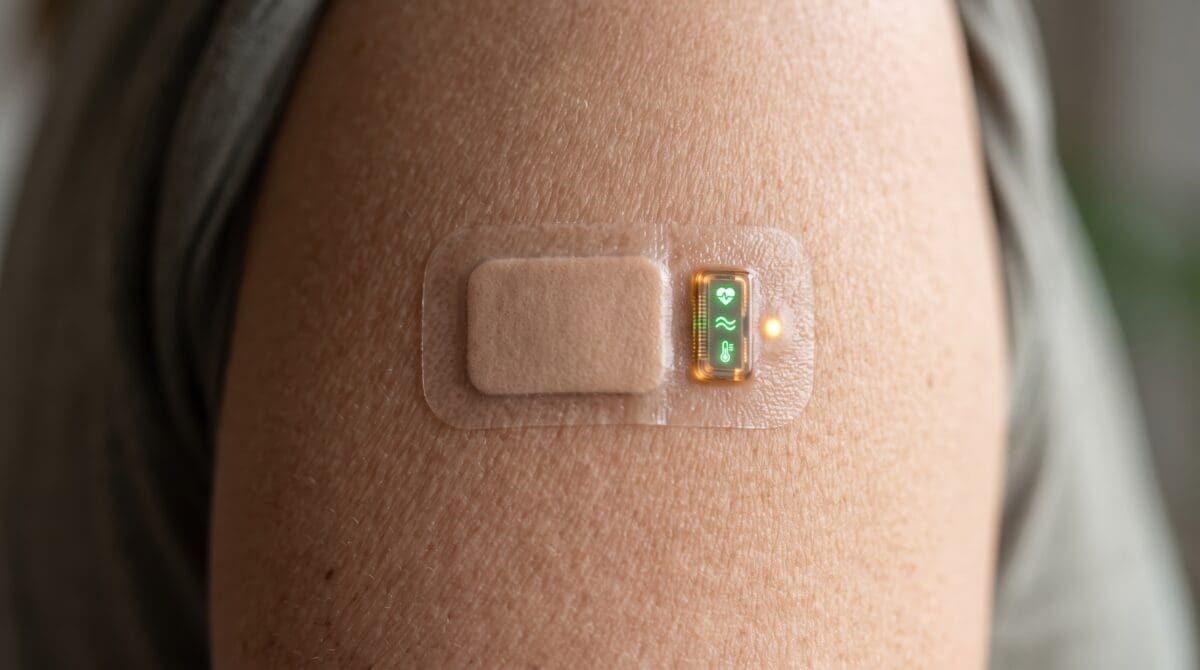
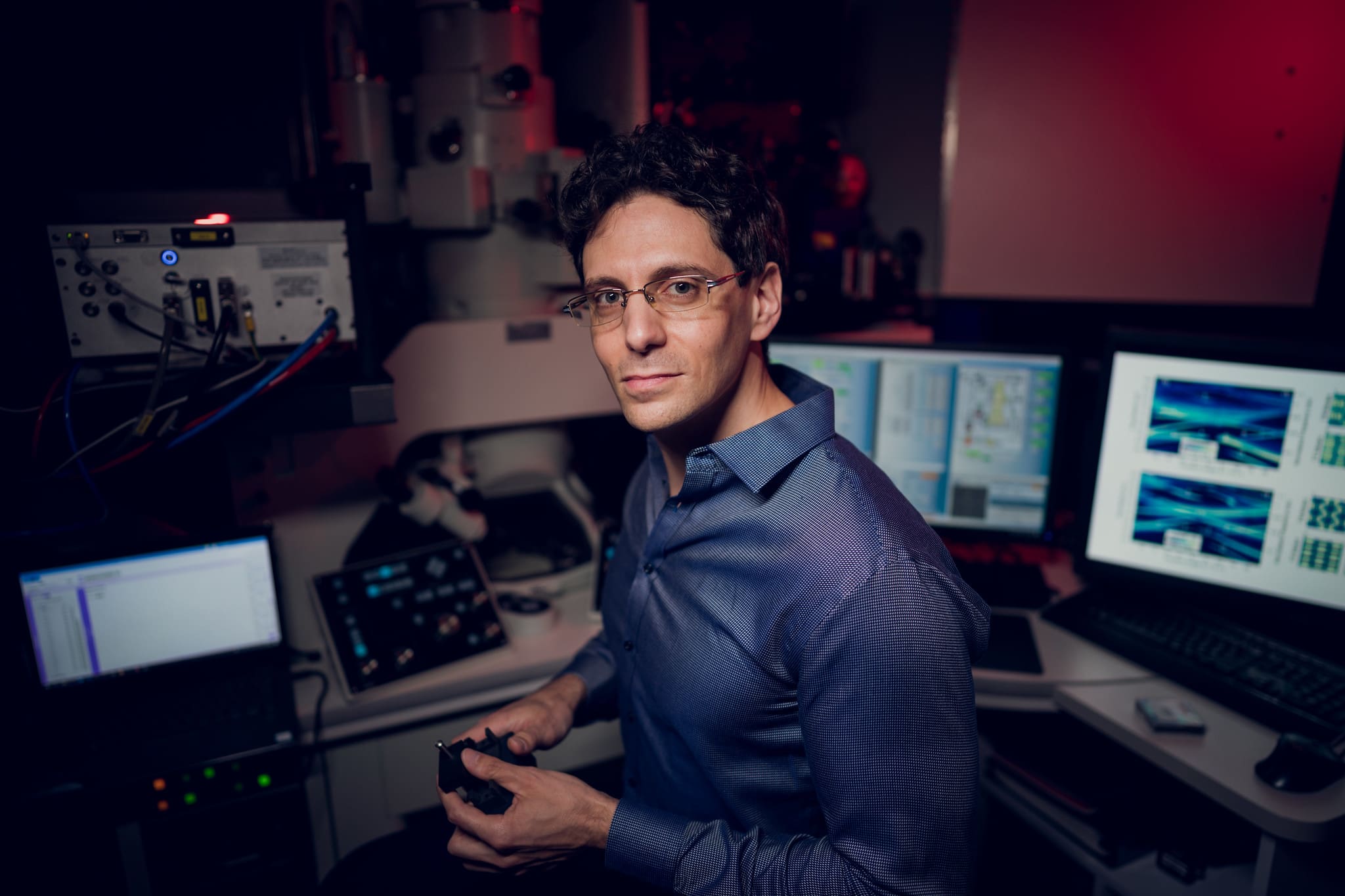
Prof. Hossam Haick of the Technion – Israel Institute of Technology, one of Israel’s most successful scientists, is really a frustrated karate fighter. As a boy in Nazareth, he joined a karate class and seemed to have found his calling. “I was incredibly competitive,” he says. “I went from one achievement to the next.” But […]
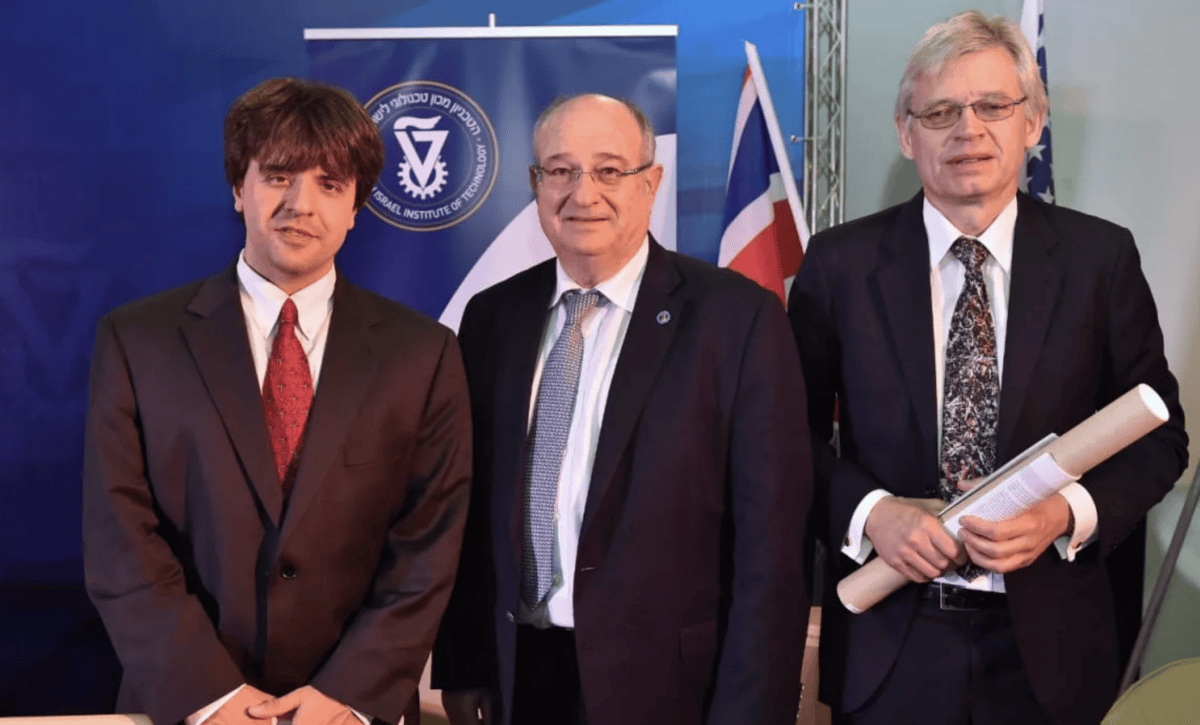
The Nobel Assembly at Karolinska Institutet announced Monday that professors Karl Deisseroth, Peter Hegemann, and Georg Nagel were awarded the 2026 Nobel Prize in Medicine, with two of the three laureates having received the Technion-Israel Institute of Technology Harvey Prize. Prof. Deisseroth of the Howard Hughes Medical Institute and Stanford University, USA, and Prof. Hegemann […]
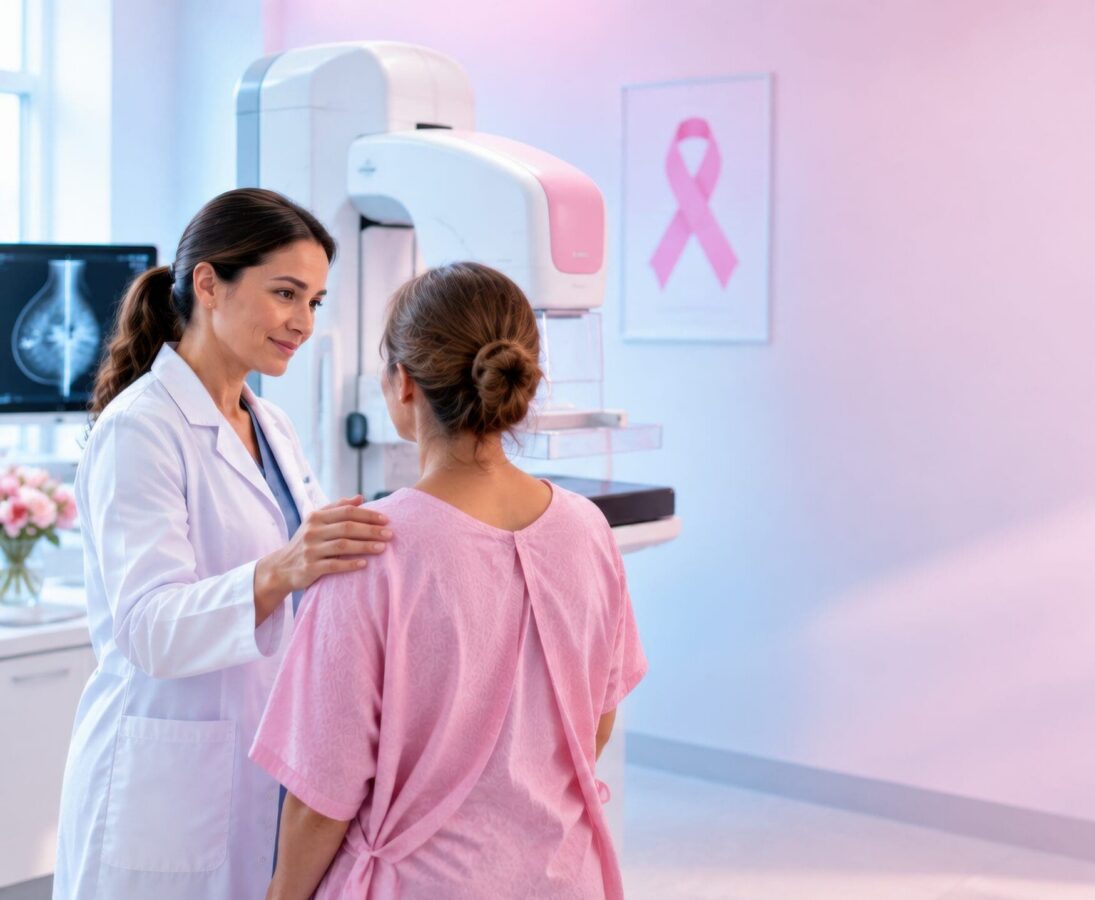
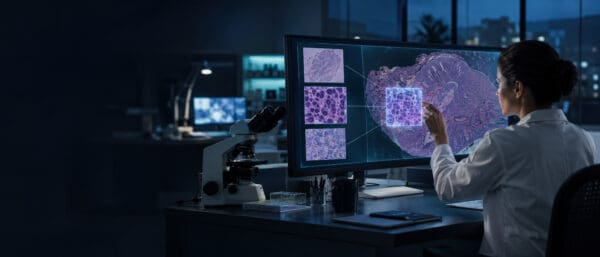
A breast cancer diagnosis can bring a terrifying question: Will chemotherapy save my life, or will I endure its painful side effects without any benefit? In this video, influencer Aija Mayrock goes inside the Technion – Israel Institute of Technology with Dr. Gil Shamai to explore an AI breakthrough that could help doctors answer that […]
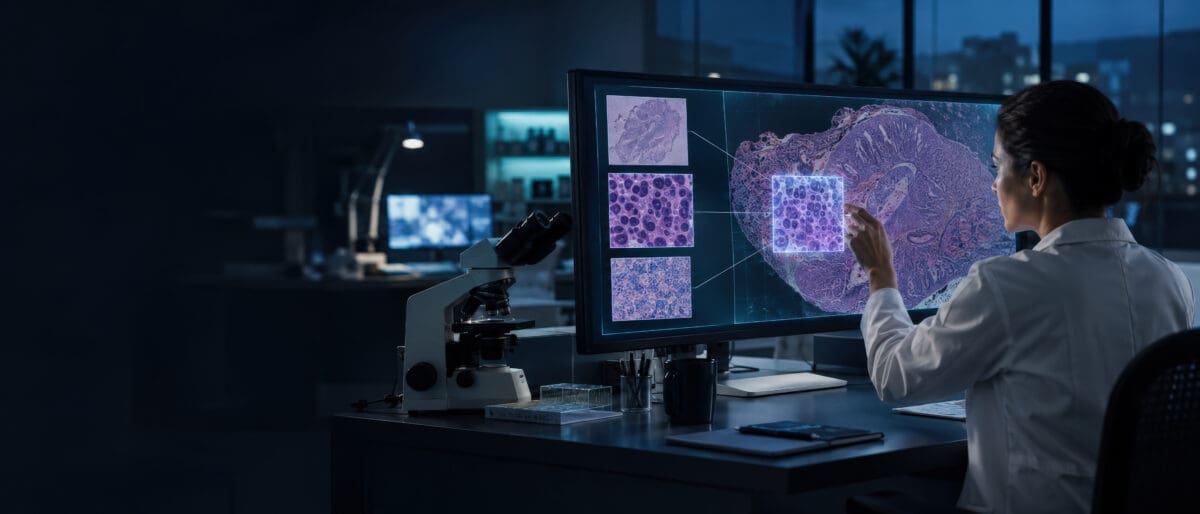
A Breakthrough From the Technion Together with collaborators from leading medical centers in Israel, the United States, Europe, and Australia, Shamai and his team at the Technion have developed an AI model that predicts both the risk that breast cancer will return and whether a patient is likely to benefit from chemotherapy — offering a […]
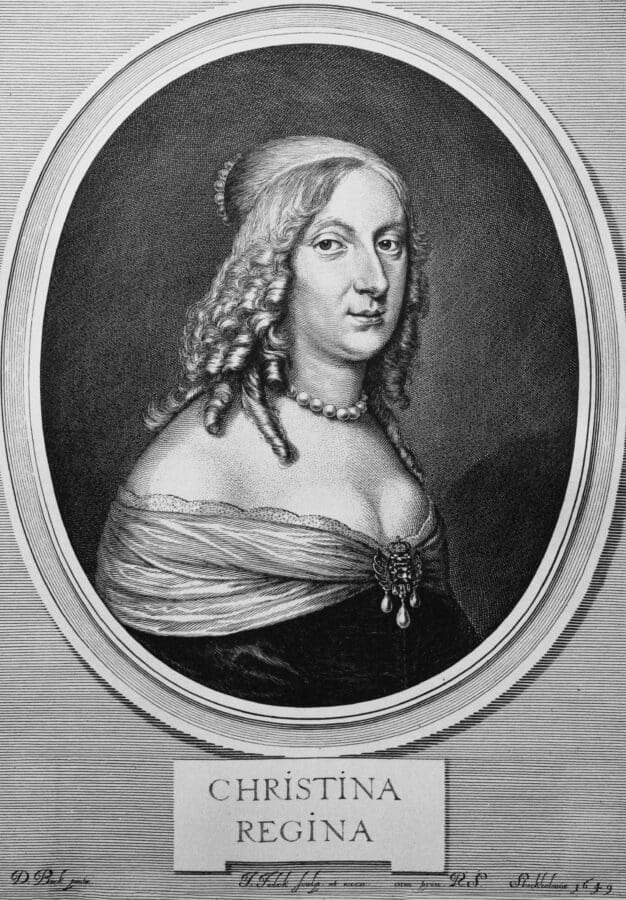
An Israeli medical researcher has helped shed new light on a mystery that has endured for nearly 340 years: what killed Queen Christina of Sweden, one of 17th-century Europe’s most unusual monarchs. Prof. Zaid Abassi of the Technion – Israel Institute of Technology’s, Ruth and Bruce Rappaport Faculty of Medicine and Rambam Health Care Campus, […]
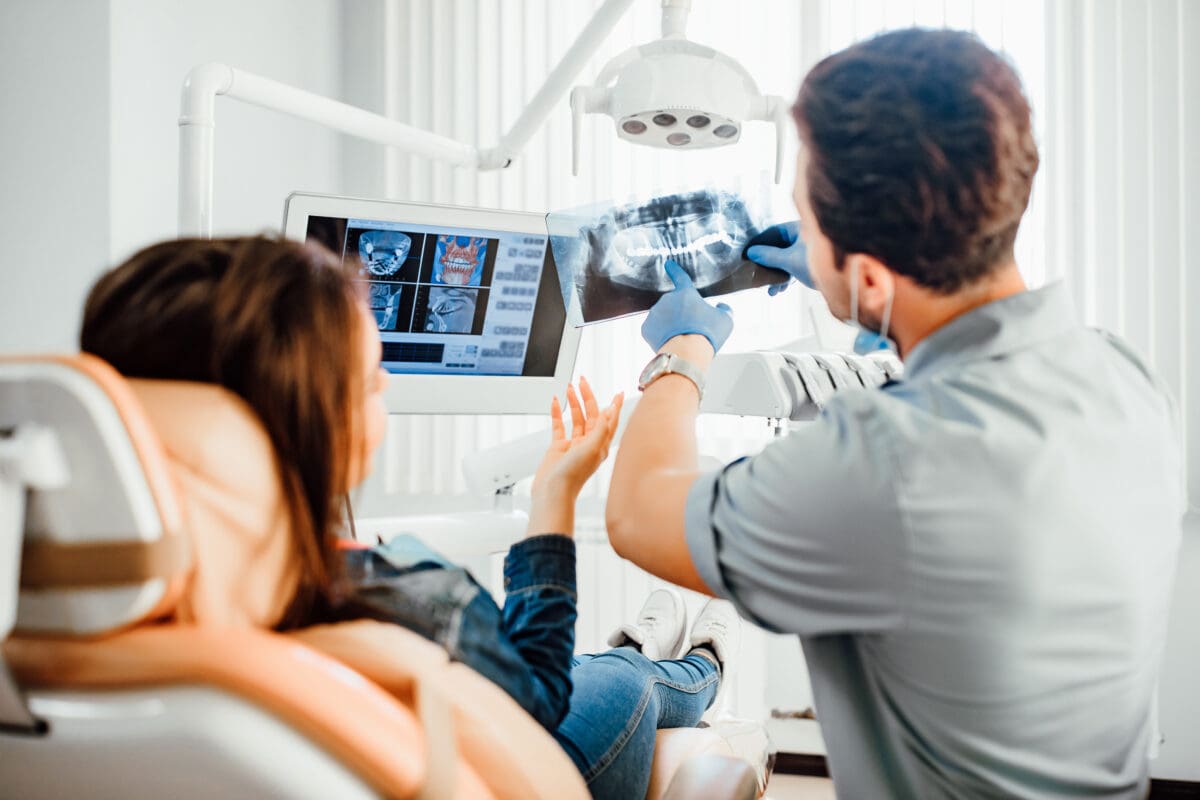
Artificial intelligence is rapidly becoming an integral part of our lives, and a working tool for professionals in a variety of fields, including medicine, which integrates AI in order to reach faster, more accurate, and more efficient diagnoses. But to what extent can AI truly be relied upon when it comes to complex medical decisions? […]
Few medical decisions seem so simple, yet create so much uncertainty: Is the infection bacterial, and therefore potentially in need of antibiotics, or viral, meaning antibiotics will not help? For years, physicians have tried to answer that question using symptoms, blood tests and tests that directly search for the virus or bacteria. Israeli company MeMed […]
Two patients receive the same immunotherapy for the same cancer. In one, the tumor retreats and stays gone for years. In the other, the treatment does nothing. Oncologists still have no reliable way to tell these patients apart before therapy begins. Why does immunotherapy succeed for some and fail for others? A new study led […]
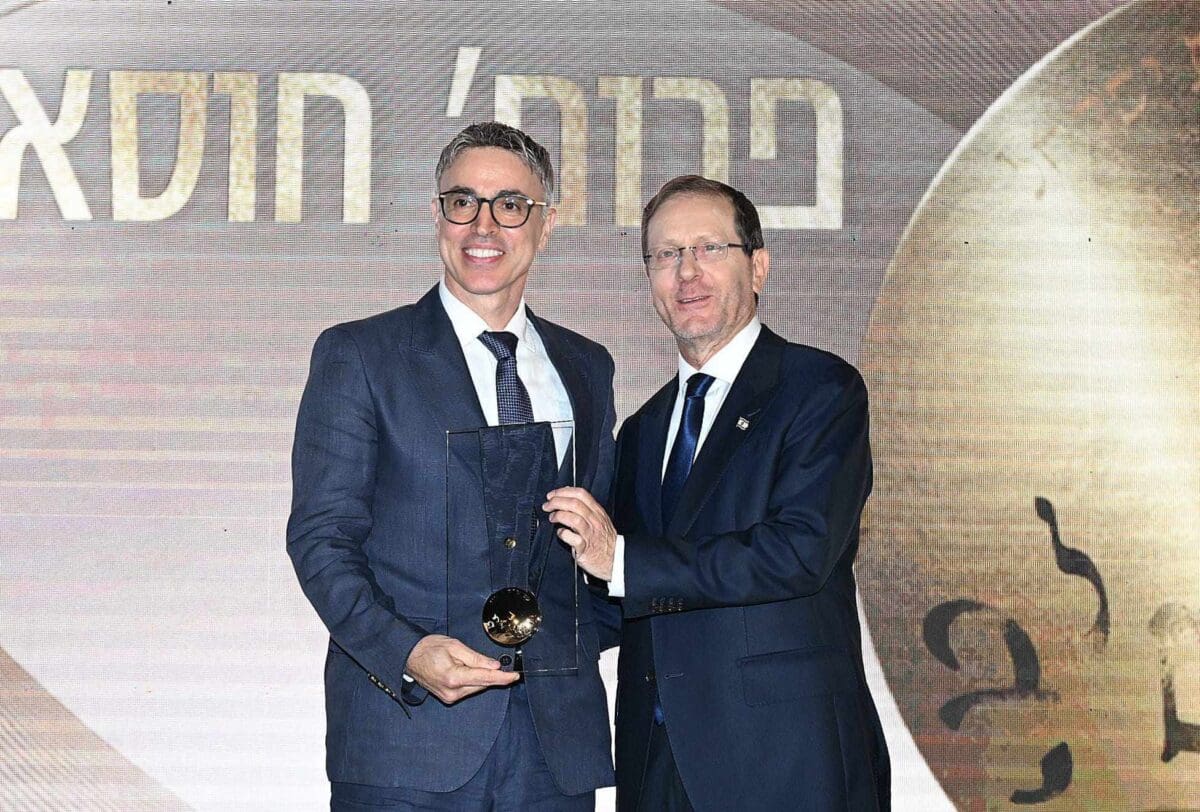
What if diagnosing cancer, Parkinson’s disease, or other serious illnesses could be as simple as breathing into a handheld device? That possibility is moving closer to reality thanks to the work of the Technion’s Prof. Hossam Haick, whose groundbreaking research is changing how diseases are detected around the world. In recognition of his extraordinary achievements, […]
Every year, the European Research Council (ERC) identifies some of the world’s most promising early-career researchers and gives them the freedom to pursue bold ideas. This year, two of those ideas came from the Technion – Israel Institute of Technology. From cancer research to artificial intelligence (AI), breakthroughs that shape the future often begin with […]
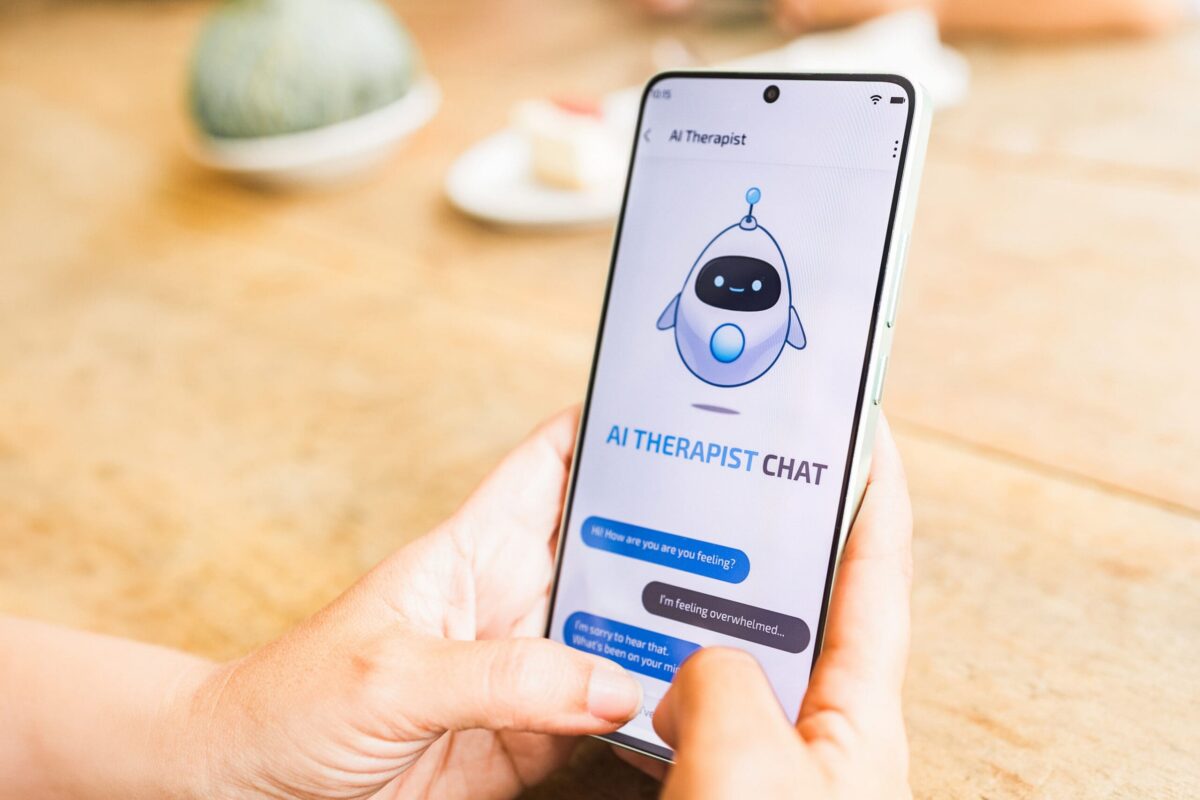
As more people turn to AI chatbots for companionship, life advice, or even as a stand-in for therapy, experts say the technology offers both new opportunities and risks when it comes to mental health. Prof. Tanzeem Choudhury is the chief of health innovation in the Joan & Irwin Jacobs Technion-Cornell Institute and has been studying AI and mental health for 15 years. She said AI tools are available any time, often at low cost, making it easier for people to access some form of mental health support.